20305 Biscayne Blvd. Aventura, FL 33180

How Grooming Contributes to Pet Preventative Health

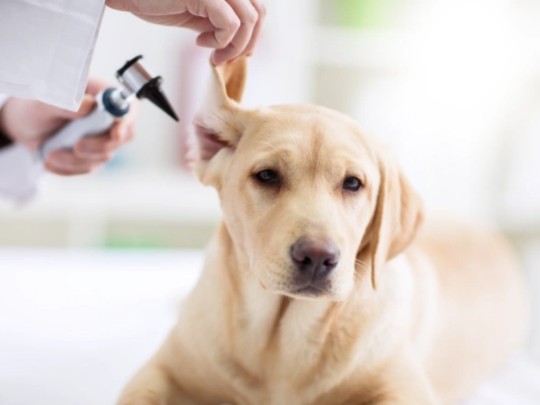
While a fresh-smelling pup or a soft, tangle-free cat is delightful, grooming is far more than cosmetic. It’s a proactive health habit that safeguards pets from pain, illness, and discomfort. In vibrant communities like Aventura, pets preventative care Aventura elevates grooming to a key part of every responsible pet owner’s routine.
1. Skin and Coat Health: Your Pet’s First Line of Defense
Grooming removes loose fur, dirt, and dander, which keeps skin healthy and coat shiny. Regular brushing:
- Prevents matting, a painful condition that can cause wounds and skin infections.
- Spreads natural oils throughout your pet’s fur, improving resilience and gloss.
- Helps owners spot early trouble, such as dry spots, rashes, lumps, or wounds before they worsen.
2. Early Detection of Health Issues: Nip Problems in the Bud
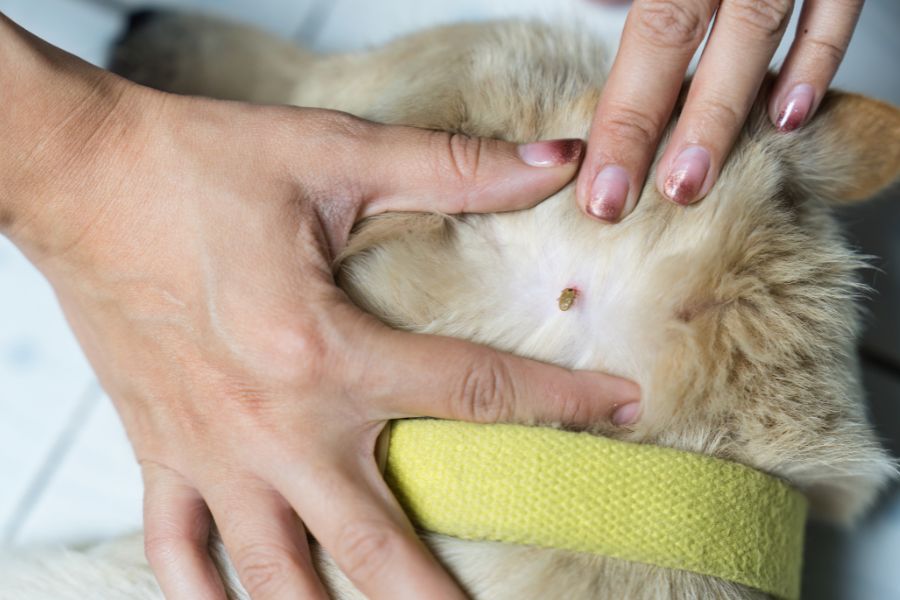
Bathing, brushing, and nail trims aren’t just rituals—they are routine check-ups. Groomers and owners who handle pets notice new lumps, swelling, fleas, ticks, or irregular odors early on.
- Spotting these early spurts rapid intervention at the vet.
- Minor issues are resolved before spiraling into illness or expensive emergencies.
3. Parasite Control: Stopping Fleas and Ticks
Regular grooming is a frontline defense in the battle against parasites. Brushing and bathing help:
- Remove adult fleas, ticks, and their eggs from fur.
- Allow for frequent inspections of hot spots (armpits, ears, belly) for hidden pests.
- Support prescribed preventative treatments for even better protection.
4. Nail, Ear, and Dental Care: Small Steps, Big Impact
Letting nails grow long can hurt pets, changing their gait and risking injury. Routine trims help maintain good posture and reduce pain.
- Ear cleaning removes wax and debris, reducing infection risk.
- Dental hygiene (as part of some grooming visits) keeps breath fresh and lowers chances of serious periodontal disease.
5. Emotional and Behavioral Benefits: A Happier Pet
Grooming sessions double as bonding time. Gentle touch, praise, and treats make pets more trusting, reduce fear, and reinforce calm behaviors—even at the vet or groomer.
Well-groomed pets are often more confident and comfortable, encouraging positive socialization and play.
6. Long-Term Health, Fewer Vet Visits
By making grooming a habit, pet parents not only avoid emergency scrambles but also:
- Save on costly treatments for infections, mat removal, or dental surgery.
- Promote better quality of life and longer, more joyful years with their pets.
FAQs About Grooming and Preventative Pet Health
1. How often should I groom my pet?
Ans. Frequency depends on breed, coat length, and activity level. Most pets benefit from brushing and inspections weekly; some need daily attention or professional grooming every 4–8 weeks.
2. Can regular grooming really prevent illness?
Ans. Absolutely. Spotting issues early, removing parasites, and maintaining clean skin and fur all help keep pets healthier.
3. What signs should I watch for during grooming?
Ans. Look for lumps, wounds, redness, rashes, odor, ear discharge, and signs of pests. Early noticing leads to faster treatment.
4. Is groomer care better than at-home grooming?
Ans. Both are important. Professional groomers have expertise and tools for thorough care, but regular home grooming keeps your pet comfortable and healthy between visits.
5. Does grooming support older or sick pets?
Ans. Yes—senior or chronically ill pets especially need help maintaining clean skin, nails, and fur for comfort and infection prevention.
6. Is grooming only for dogs and cats?
Ans. No. Rabbits, guinea pigs, and even some reptiles need regular grooming suited to their species.
Conclusion:
Grooming isn’t just about keeping pets pretty; it’s a frontline defense in their ongoing health journey. By embracing pets preventative care Aventura strategies that blend grooming, routine checks, and quick interventions, you grant your companion not just better looks—but a longer, happier, and healthier life.
Amor Animal Hospital
Schedule Your Pet’s Visit Today
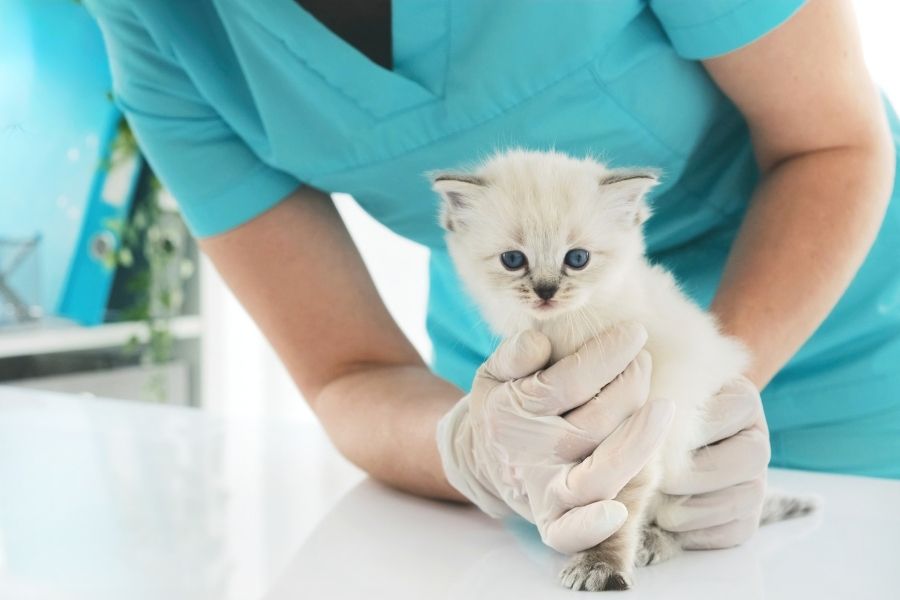
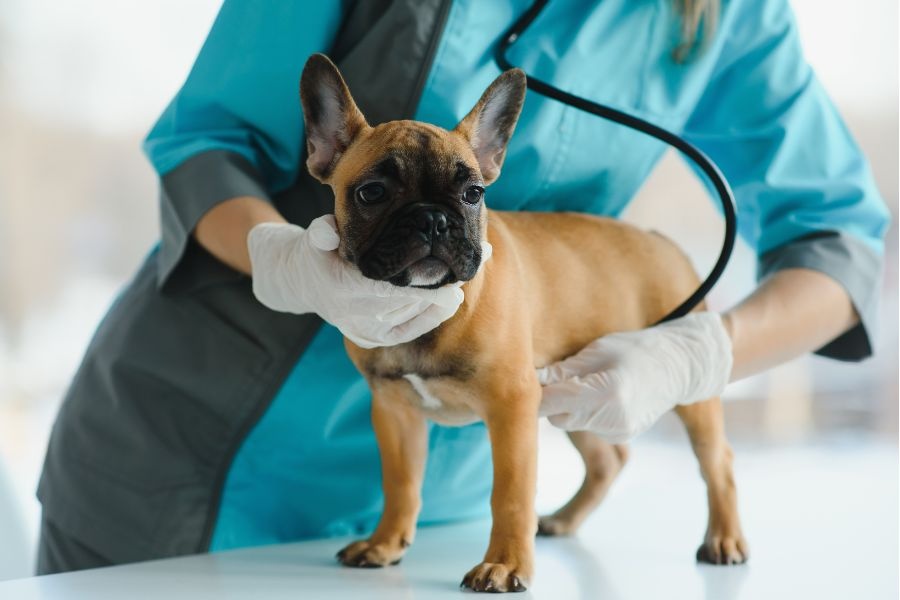
Your pet’s health and happiness are our top priorities. Schedule an appointment today and experience compassionate, expert care tailored to your furry friend’s needs.