20305 Biscayne Blvd. Aventura, FL 33180

Puppy’s First Vet Visit: What to Bring and What to Expect

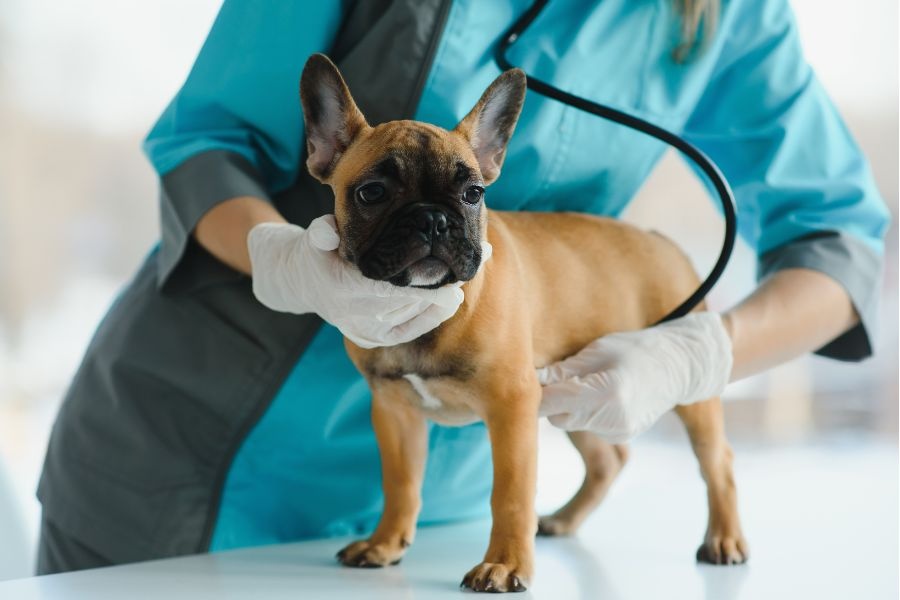
Bringing a new puppy home is one of the most exciting things a family can do. Scheduling a puppy’s first vet visit within the first week is just as important as buying a crate or picking a name. Puppies are vulnerable to infections, parasites, and developmental issues that a veterinarian can catch early. The sooner your pup is examined, the sooner you know exactly where their health stands. Many new puppy owners feel unsure about what to bring or what questions to ask. This guide walks you through everything so you can walk into that first appointment feeling confident, prepared, and ready to give your puppy the best possible start.
What Happens at a Puppy’s First Vet Visit
A puppy’s first vet visit is a complete health evaluation, not just a quick checkup. The veterinarian will examine your puppy from nose to tail, checking eyes, ears, teeth, skin, coat, heart, lungs, and abdomen. Your vet will also assess your puppy’s body condition score and discuss an appropriate weight range for their breed and age.
In our experience, many puppies come in with mild issues their owners had not noticed, such as ear mites, umbilical hernias, or signs of intestinal parasites. None of these are emergencies, but catching them on day one prevents bigger problems later. The appointment is also your chance to ask every question you have been holding since bringing your pup home.
Most first visits run between 30 and 45 minutes. Come ready to talk and take notes.
What to Bring to Your Puppy Vet Appointment
Knowing what to bring to puppy vet appointments requires saving you time and gives your vet the full picture from the start. Here is a simple checklist:
- Fecal sample: Collect a fresh stool sample in a clean zip-lock bag before the visit. Your vet will test it for intestinal parasites like roundworms, hookworms, and Giardia.
- Previous medical records: If the breeder or shelter provided any vaccination records or health certificates, bring them. Your vet needs to know what has already been given.
- A list of your questions: Write them down at home so you do not forget anything in the moment.
- Your puppy’s current food: Knowing the brand and formula helps your vet evaluate whether the diet suits your puppy’s age and breed.
- A familiar blanket or toy: A comforting item from home helps reduce stress during the exam.
Pet owners often tell us they wish they had brought more records or a written list of symptoms. A little preparation makes the appointment smoother for everyone, especially your pup.
Puppy Vaccines and What to Expect in Florida
Florida’s warm, humid climate is a major factor in your puppy’s vaccine schedule. Puppy vaccines Florida protocols account for year-round flea and tick activity, high mosquito populations, and the elevated risk of leptospirosis from standing water common throughout South Florida.
The American Animal Hospital Association (AAHA) recommends a core vaccine series for all puppies, including distemper, parvovirus, adenovirus, and rabies. Non-core vaccines are strongly recommended in Florida, given our environment. Your vet will build a schedule based on your puppy’s age, current health, and lifestyle.
In Florida, we see parvovirus and leptospirosis more often than in drier northern states. Puppy vaccines in Florida typically begin at 6 to 8 weeks and continue every 3 to 4 weeks until 16 weeks of age. Missing even one round in that window increases your puppy’s risk significantly.
A common misconception is that puppies are fully protected after just one shot. In reality, the immune system needs the full series to build reliable protection. Until that series is complete, limit your puppy’s contact with unvaccinated dogs and unfamiliar outdoor spaces.
What Does a Puppy Wellness Exam Checklist Cover?
A puppy wellness exam checklist gives you a clear picture of everything your vet evaluates and everything you should track at home between visits. Here is what a standard first-visit wellness exam includes:
- Weight and body condition: Confirms healthy growth for the breed
- Eyes and ears: Checks for discharge, infection, mites, or structural issues
- Teeth and gums: Evaluates baby teeth alignment and gum color
- Heart and lungs: Listens for murmurs or abnormal breathing patterns
- Abdomen and organs: Feels for abnormalities in size or shape
- Skin and coat: Identifies parasites, rashes, or dryness
- Limbs and joints: Assesses gait and developmental alignment
Your vet will also discuss parasite prevention, microchipping, spay or neuter timing, and nutrition tailored to your puppy’s breed and projected adult size.
Finding the Right New Puppy Vet Near You
Choosing a new puppy vet for Aventura families can rely on comes down to a few key factors. Look for a clinic with a warm, experienced team, a clean and calm environment, and a vet who takes time to answer your questions without rushing.
Amor Animal Hospital offers complete puppy wellness care, including full physical exams, core and non-core vaccine planning, parasite testing, microchipping, and breed-specific nutrition guidance. Our team understands how much your new puppy means to you, and we treat every first visit with the care and attention it deserves.
Your puppy’s first year sets the foundation for a long, healthy life. Do not wait until something seems wrong to make that first appointment.
Conclusion
Scheduling your puppy’s first vet visit is one of the most important steps you can take as a new pet owner. A thorough early exam catches hidden health issues, starts the right vaccine schedule, and gives you a trusted partner for every stage of your puppy’s life. Aventura pet owners deserve a clinic that listens, educates, and cares as much as you do. Amor Animal Hospital is here to guide you through every milestone, from that very first visit to your pup’s senior years. Give your puppy the healthy start they deserve. Book an appointment today.
Frequently Asked Questions
How soon should I take my new puppy to the vet?
Ans: You should schedule a puppy’s first vet visit within the first 3 to 7 days of bringing your puppy home. Early exams catch parasites, congenital issues, and infections before they progress.
What should I bring to my puppy’s first vet appointment?
Ans: Bring a fresh fecal sample, any vaccination records from the breeder or shelter, your puppy’s current food, a list of questions, and a familiar toy or blanket to keep your puppy calm.
How many puppy vaccine appointments will my puppy need?
Ans: Most puppies need 3 to 4 rounds of core vaccines spaced 3 to 4 weeks apart, starting at 6 to 8 weeks of age.
How long does a puppy’s first vet visit take?
Ans: A first puppy wellness exam typically takes 30 to 45 minutes. The time includes the full physical exam, vaccine review, parasite testing discussion, and a chance to ask your vet any questions.
Is it safe to take my puppy to a vet before they finish their vaccine series?
Ans: Yes. Veterinary clinics are controlled environments, and the risk of delaying care is greater than the risk of the visit itself. Your vet will take precautions to keep your unvaccinated puppy safe during the appointment.
Amor Animal Hospital
Schedule Your Pet’s Visit Today
Your pet’s health and happiness are our top priorities. Schedule an appointment today and experience compassionate, expert care tailored to your furry friend’s needs.