20305 Biscayne Blvd. Aventura, FL 33180

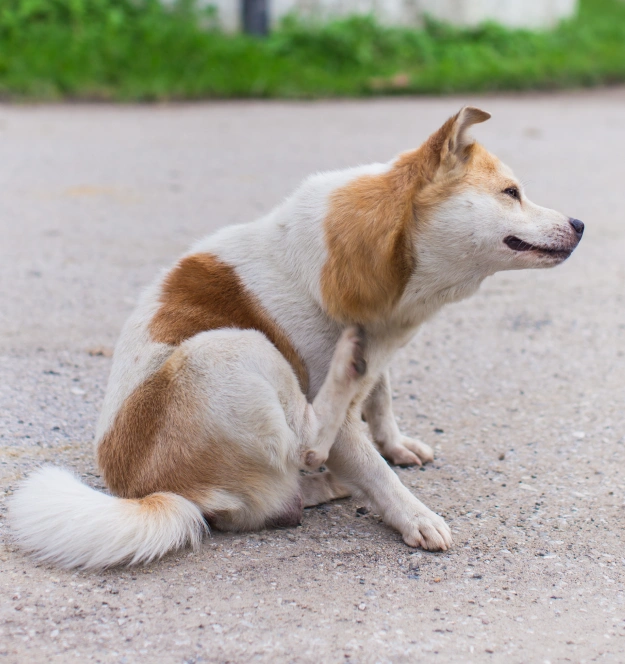
When Persistent Itching Takes Over Your Dog’s Life
in Aventura, FL
Relentless scratching, chewing at paws, and irritated skin can turn daily life into a struggle for both dogs and their families. At Amor Animal Hospital, we understand how frustrating ongoing skin issues can feel, and we offer dog allergy treatment in Aventura tailored to bring lasting relief while supporting overall wellness.
Allergies in dogs rarely look the same from one case to another. Some show redness and hair loss, others deal with recurring ear infections or hot spots that never seem to heal fully. Our approach focuses on identifying the underlying cause, calming flare-ups, and helping your dog stay comfortable in the long term.
Why Dogs Develop Allergies and Skin Issues
Allergies develop when a dog’s immune system reacts to substances that are normally harmless. Over time, repeated exposure can lead to chronic inflammation that affects the skin, ears, and coat.
Common triggers include:
- Environmental allergens: Pollen, mold, dust mites, and grass often lead to seasonal or year-round irritation.
- Food sensitivities: Certain proteins or ingredients can trigger itching, digestive upset, or skin flare-ups.
- Flea allergy dermatitis: Even a single flea bite can cause intense itching in sensitive dogs.
- Contact irritants: Shampoos, cleaning products, or fabrics may irritate sensitive skin.
Recognizing patterns early helps prevent conditions from worsening. Dogs that receive timely care often experience fewer flare-ups and improved skin health over time.
Signs Your Dog May Need Dermatology Care
Skin conditions often begin subtly before becoming more severe. Paying attention to early symptoms allows faster intervention and better outcomes.
Watch for:
- Constant scratching or licking: Persistent itching, especially around paws, ears, or belly
- Red or inflamed skin: Areas that appear irritated or warm to the touch
- Hair loss or thinning coat: Patchy fur or excessive shedding
- Recurring ear infections: Frequent head shaking or odor from the ears
- Scabs or hot spots: Moist, irritated lesions that appear suddenly
Dogs may also show behavioral changes such as restlessness or irritability due to discomfort. Seeking care when these signs appear helps prevent long-term skin damage.
Personalized Approach to Allergy Diagnosis and Care
Effective treatment begins with understanding what’s triggering the reaction. Our team uses a step-by-step approach to uncover the cause and create a plan suited to your dog’s needs.
Evaluation may include:
- Detailed history review: Diet, environment, and symptom patterns provide important clues
- Skin and coat examination: Identifies visible signs of infection or inflammation
- Allergy testing: Helps pinpoint environmental or food-related triggers
- Elimination diet trials: Determine if food sensitivities are involved
Each case is different, and treatment plans evolve as your dog responds. Working closely with a dog dermatologist in Aventura, we focus on long-term management rather than temporary fixes.
Treatment Options That Support Skin Recovery
Managing allergies requires a combination of therapies designed to reduce inflammation, control itching, and prevent recurrence. Treatment plans may include:
- Medicated therapies: Topical or oral options that calm irritation and promote healing
- Nutritional adjustments: Diet changes that support skin health and reduce sensitivities
- Allergy-specific medications: Target immune responses to minimize flare-ups
- Routine skin care: Bathing protocols and coat maintenance tailored to your dog
Consistency is key to success; dogs that follow a structured care plan often enjoy greater comfort and healthier skin over time.
Managing Seasonal and Year-Round Allergies
Some dogs only struggle during certain times of the year, while others experience symptoms continuously. Seasonal allergies often worsen in spring and fall when pollen levels rise, while year-round allergies may stem from indoor triggers such as dust or mold.
Long-term management strategies include:
- Environmental control: Reducing exposure to allergens at home
- Regular grooming routines: Removing irritants from the coat
- Preventive medications: Keeping symptoms controlled before flare-ups begin
- Monitoring changes: Adjusting care as seasons shift
Our goal is to help your dog stay comfortable no matter the time of year, with fewer interruptions to their daily routine.
The Role of Nutrition in Skin Health
Diet plays a major role in how a dog’s skin responds to allergens. Poor nutrition or food sensitivities can weaken the skin barrier, making it more vulnerable to irritation.
Nutritional strategies may involve:
- Limited ingredient diets: Reducing exposure to potential allergens
- Omega fatty acids: Supporting skin hydration and coat strength
- Balanced nutrition plans: Promoting overall immune health
Even small dietary adjustments can make a noticeable difference in reducing itching and improving coat quality.
Addressing Chronic Skin Conditions Effectively
Chronic dermatological issues require ongoing care and attention. Dogs with long-term allergies often benefit from regular check-ins to monitor progress and adjust treatments as needed.
Conditions we frequently manage include:
- Atopic dermatitis: A genetic tendency toward environmental allergies
- Chronic ear infections: Often linked to underlying allergies
- Recurrent hot spots: Caused by repeated irritation and moisture buildup
- Secondary infections: Bacterial or yeast infections that develop from scratching
Collaborating with a dog dermatologist in Aventura enables us to improve treatment approaches and reduce the chances of recurring discomfort.
Helping Your Dog Stay Comfortable at Home
Daily care at home plays a significant role in managing allergies. Simple habits can support treatment and reduce the likelihood of flare-ups.
Helpful practices include:
- Regular bathing routines: Using appropriate products to soothe skin
- Cleaning bedding frequently: Minimizing allergen buildup
- Wiping paws after walks: Removing pollen and outdoor irritants
- Maintaining flea prevention: Avoiding flea-related reactions
Combining home care with veterinary guidance creates a well-rounded approach that supports long-term results.

Building a Long-Term Allergy Care Plan
Allergy management is not a one-time fix. Dogs benefit from a consistent plan that evolves based on their needs and responses to treatment.
A strong care plan focuses on:
- Ongoing monitoring: Tracking changes in symptoms
- Preventive strategies: Reducing exposure to known triggers
- Adjusting treatments: Adapting as your dog’s condition improves or changes
- Owner education: Helping families understand how to support their dog
Our team works closely with you to ensure every step supports your dog’s comfort and well-being.
Supporting Healthy Skin and Happy Dogs
Healthy skin contributes to a happier, more active dog. Relief from itching and irritation allows dogs to rest better, play more, and enjoy daily life without constant discomfort.
At Amor Animal Hospital, we focus on creating solutions that go beyond temporary relief. By addressing the root causes of allergies and building a sustainable care plan, we help dogs regain comfort and maintain healthier skin over time.
When Ongoing Itching Needs Real Solutions
Persistent scratching, recurring infections, or visible skin irritation signal the need for timely care. Early attention helps prevent conditions from becoming more severe and supports faster recovery.
Our approach combines detailed evaluation, targeted treatments, and ongoing support to help your dog feel better and stay that way.
Find Relief for Your Dog Today
When itching, redness, or recurring skin issues begin affecting daily life, taking action early can make a meaningful difference. Book an appointment with Amor Animal Hospital for dog allergy treatment in Aventura and receive guidance tailored to your dog’s needs, from diagnosis to long-term care that helps restore comfort and healthier skin.
Frequently Asked Questions
Schedule Your Pet’s Visit Today
Your pet’s health and happiness are our top priorities. Schedule an appointment today and experience compassionate, expert care tailored to your furry friend’s needs.