20305 Biscayne Blvd. Aventura, FL 33180

How to Create a Year-Round Flea Prevention Plan for Your Home

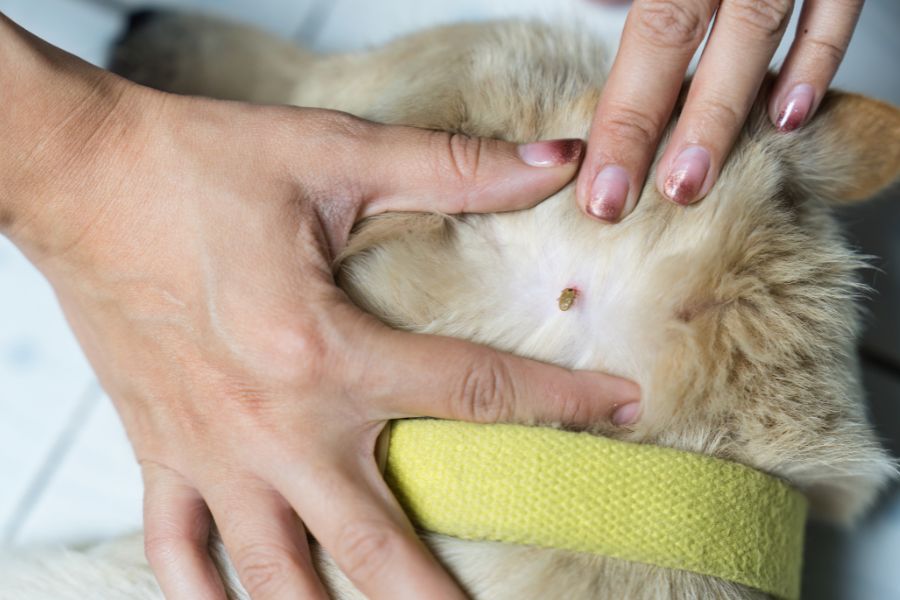
If you live in South Florida, flea season never really ends. In warm, humid climates, fleas can thrive all year long. That’s why creating a year-round flea prevention plan for your home is essential for protecting your pets and family.
In this guide, we’ll walk you through how to prevent fleas indoors and outdoors, how Florida’s climate affects infestations, and what a consistent flea control strategy looks like for pet owners.
Why Year-Round Flea Prevention Matters
Unlike colder states, where fleas slow down in winter, a tropical climate allows fleas to reproduce year-round. Warm temperatures and humidity create the perfect breeding environment.
Here’s why a year-round flea prevention plan for your home is crucial:
- Fleas can lay up to 50 eggs per day
- Eggs fall into carpets, furniture, and bedding
- Larvae can survive in cracks and shaded outdoor areas
- One untreated pet can infest an entire household in weeks
Many neighborhoods near Aventura, especially those close to waterways or shaded landscaping, experience higher flea activity. If you live near parks, canals, or heavily landscaped communities, your risk increases even more.
Understanding the Flea Life Cycle
To build an effective year-round flea prevention plan for your home, you need to understand how fleas develop.
Fleas go through four stages:
- Egg
- Larva
- Pupa
- Adult
Only about 5% of fleas live on your pet. The remaining 95% exist in your home environment as eggs, larvae, and pupae.
The full flea life cycle can be completed in as little as 2–3 weeks, meaning infestations grow fast without consistent control.
Step 1: Keep Your Pet on Monthly Flea Prevention
The foundation of any year-round flea prevention plan for your home starts with your pet.
Even indoor pets need flea protection because:
- Fleas can hitchhike inside on clothing or shoes
- Apartment buildings and condos can spread infestations between units
- Shared green spaces increase exposure
Monthly preventatives, whether oral or topical, stop fleas before they reproduce. A trusted veterinarian can recommend the safest and most effective option for your dog or cat based on age, health, and lifestyle.
Step 2: Treat Your Indoor Environment
Your home environment plays a massive role in long-term flea control.
Weekly Cleaning Routine
To maintain a strong year-round flea prevention plan for your home:
- Vacuum carpets, rugs, and furniture weekly
- Wash pet bedding in hot water
- Vacuum cracks, baseboards, and under furniture
- Dispose of vacuum bags immediately
High-traffic areas and shaded indoor spots are flea hotspots.
When to Use Home Treatments
If you’ve had an active infestation, you may need:
- Indoor flea sprays
- Foggers (used carefully and according to instructions)
- Professional pest control
In a humid climate, flea pupae can remain dormant and hatch weeks later.
Step 3: Don’t Forget Your Yard
If you have a yard in your home, outdoor flea prevention is just as important.
Fleas thrive in:
- Shaded grass
- Under decks and porches
- Mulch beds
- Areas where wildlife passes through
Yard Prevention Tips
- Keep grass trimmed short
- Remove leaf litter
- Limit wildlife access
- Use pet-safe outdoor treatments
Homes near parks or coastal green areas may experience increased flea exposure. Neighborhoods with lush landscaping and irrigation systems create ideal flea habitats.
Step 4: Protect Against Wildlife Exposure
South Florida is home to raccoons, stray cats, and opossums—all common flea carriers. If your dog spends time outdoors, they may be exposed without you realizing it.
Seal gaps in fences and avoid leaving pet food outside overnight. Even a single wildlife visit can introduce fleas to your yard.
Step 5: Watch for Early Warning Signs
Early detection prevents major infestations.
Look for:
- Excessive scratching or licking
- Hair loss near the tail
- Small black specks (“flea dirt”)
- Red, irritated skin
Some pets develop flea allergy dermatitis, which can cause intense itching from just one bite. If you notice symptoms, prompt treatment prevents fleas from spreading throughout your home.
Common Mistakes That Break a Flea Prevention Plan
Even committed pet owners sometimes make these errors:
- Stopping prevention during “cooler” months
- Treating only one pet in a multi-pet home
- Using over-the-counter products inconsistently
- Ignoring yard treatment
- Waiting too long to address scratching
A year-round flea prevention plan for your home only works when it’s consistent.
Why Professional Guidance Makes a Difference
Flea control isn’t just about comfort; it’s about health. Fleas can transmit:
- Tapeworms
- Skin infections
- Anemia in small pets
- Allergic reactions
Working with a veterinary team ensures:
- Proper product selection
- Safe dosing
- Monitoring for side effects
- Customized advice for your home setup
Pet owners in Aventura trust Amor Animal Hospital for a comprehensive pet diagnostics care plan tailored to South Florida’s climate and lifestyle.
Conclusion
Creating a year-round flea prevention plan is one of the smartest investments you can make as a pet owner in Aventura. Because our warm climate allows fleas to thrive year-round, prevention must be consistent, not seasonal.
By combining monthly pet prevention, indoor cleaning, yard management, and veterinary guidance, you can protect your pets from discomfort and prevent costly infestations.
If you need help building a customized flea prevention plan, schedule an appointment with our vet team today and keep your pets protected every season.
FAQs
Q1: Do I really need flea prevention all year in Florida?
Ans: Yes. In warm climates, fleas remain active year-round due to consistent heat and humidity.
Q2: Can indoor pets get fleas?
Ans: Absolutely. Fleas can enter homes on clothing, shoes, other pets, or from neighboring units in condos and apartments.
Q3: How long does it take to eliminate a flea infestation?
Ans: It typically takes 1–3 months of consistent treatment because flea pupae can hatch weeks after initial treatment.
Q4: What is the best way to prevent fleas in my yard?
Ans: Keep grass trimmed, remove debris, limit wildlife access, and use pet-safe outdoor treatments if needed.
Q5: What happens if I skip one month of flea prevention?
Ans: Skipping a month can allow fleas to reproduce and restart the infestation cycle, especially in warm climates.
Amor Animal Hospital

Schedule Your Pet’s Visit Today
Your pet’s health and happiness are our top priorities. Schedule an appointment today and experience compassionate, expert care tailored to your furry friend’s needs.