20305 Biscayne Blvd. Aventura, FL 33180

Shielding Your Furry Friends: A Guide to Preventative Pet Care


Our pets are family; just like any family member, they deserve the best care. Preventative care is the cornerstone of keeping our furry companions happy and healthy for years. It’s about being proactive, not reactive, in addressing potential health issues before they escalate. Let’s explore key strategies to ensure your pets receive preventative care.
1. Regular Veterinary Checkups: The Foundation of Health
Scheduled visits to the veterinarian are crucial. These appointments allow for early detection of potential health problems, ensuring timely intervention. Depending on your pet’s age and health, annual or bi-annual checkups are recommended. During these visits, your vet will perform a thorough physical examination, discuss your pet’s diet and behavior, and administer necessary vaccinations.
2. Vaccinations: Building a Strong Defense
Vaccinations are essential for protecting your pets from infectious diseases. Core vaccines, such as rabies, distemper, and parvovirus, are vital for all pets. Your vet will advise on the appropriate vaccination schedule based on your pet’s age, lifestyle, and risk factors. Keeping current on these vaccinations protects your pet and the wider animal community.
3. Parasite Prevention: Keeping Pests at Bay
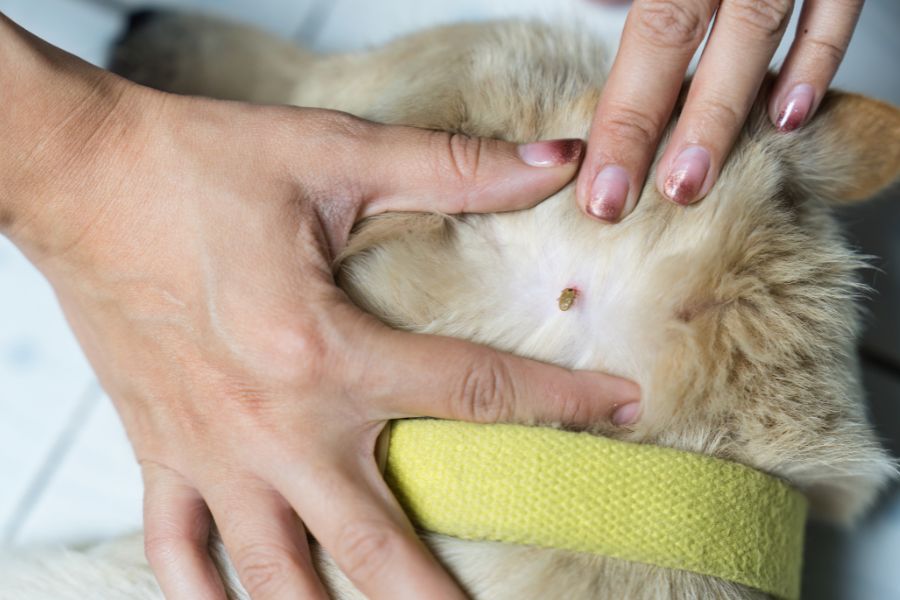
Fleas, ticks, heartworms, and intestinal parasites can cause significant health problems for pets. Regular parasite prevention is crucial. Consult your veterinarian for appropriate preventative medications and treatments. These can include monthly topical or oral medications and regular fecal examinations to detect internal parasites.
4. Diet and Exercise: Fueling a Healthy Lifestyle
A balanced diet and regular exercise are fundamental to your pet’s health. Choose high-quality pet food that meets your pet’s specific nutritional needs, considering their age, breed, and activity level. Avoid overfeeding and ensure they have access to fresh water at all times. Regular exercise helps maintain a healthy weight, strengthens muscles and bones, and promotes mental well-being.
5. Dental Care: Smiling with Confidence
Dental health is often overlooked but significantly affects your pet’s overall well-being. Regular teeth brushing, dental chews, and professional dental cleanings can prevent periodontal disease, which can lead to serious health issues.
6. Grooming and Hygiene: Maintaining Comfort
Regular grooming, brushing, bathing, and trimming are essential for your pet’s comfort and hygiene. It helps prevent skin problems, matting, and discomfort. Please pay attention to your pet’s ears and eyes, cleaning them as needed to avoid infections.
7. Behavioral Health: Nurturing Emotional Well-Being
Mental and emotional health are just as important as physical health. Provide your pet with mental stimulation through toys, puzzles, and interactive play. Socialization and training can help prevent behavioral problems and promote a happy, well-adjusted pet.
8. Senior Pet Care: Adapting to Changing Needs
As pets age, their needs change. Frequent veterinary checkups, specialized diets, and mobility-related accommodations become essential. Regular blood work and other diagnostic tests can help detect age-related health problems early.
Conclusion
Remember, you are your pet’s advocate and primary caregiver. By staying informed, proactive, and engaged in their preventative care, you give them a longer, healthier, and happier life. Don’t hesitate to ask your veterinarian questions, seek advice, and work together to create a comprehensive wellness plan tailored to your pet’s unique needs. Prioritizing preventative care is an investment in your pet’s well-being and a testament to the loving bond you share.
Amor Animal Hospital


Schedule Your Pet’s Visit Today
Your pet’s health and happiness are our top priorities. Schedule an appointment today and experience compassionate, expert care tailored to your furry friend’s needs.