20305 Biscayne Blvd. Aventura, FL 33180

Cat Hiding During Storms? What It Means and How to Help
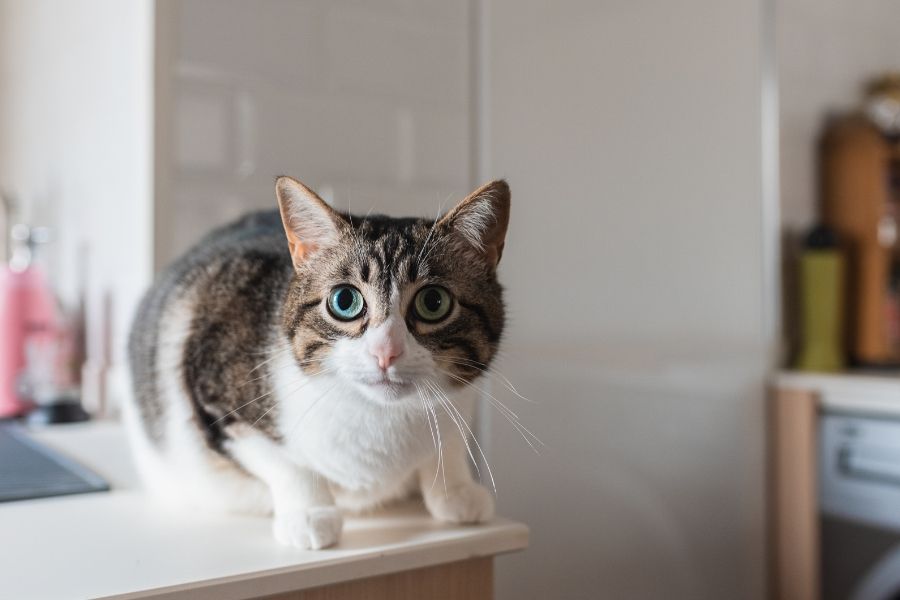
Your cat was perfectly content on the couch when the first crack of thunder hit. Now she is gone. You check under the bed, inside the closet, behind the dryer. Cat hiding during storms is one of the most common behavioral concerns we hear from cat owners, and it can feel alarming if you do not understand what is driving it. The good news: hiding is a normal feline stress response, not a sign that something is wrong with your cat. The better news: there is a lot you can do to make storms far less frightening for her. This article explains why cats react this way, what signs to watch for, and practical steps to help your cat feel safe every time the sky turns dark.
Why Cats Go Into Hiding When the Weather Turns
Cats are both predators and prey animals. When something feels threatening, loud, unpredictable, and beyond their control, their instinct is to find a small, enclosed space and wait it out. Storms deliver a combination of stressors all at once: booming thunder, flashing lightning, the drop in barometric pressure, static electricity building in the air, and the sudden change in your household’s energy. Cats sense these shifts before the rain even starts.
Cat hiding during storms is not irrational behavior. From your cat’s perspective, retreating to a tight, dark space is a survival strategy. It reduces exposure, lowers sensory input, and puts solid walls between her and the unknown threat. Research suggests that roughly 30 to 40 percent of cats show some form of stress response during severe weather events, a figure that is likely even higher in storm-prone regions.
One thing that surprises many cat owners: cats often react to static electricity more than the sound itself. Long-haired cats in particular may feel mild static shocks through their fur during storms, which adds a physical discomfort layer on top of the auditory stress.
Signs Your Cat Is Stressed Not Just Resting
Hiding is the most visible sign, but scared cat stress signs go beyond disappearing under the bed. Knowing the full picture helps you respond appropriately.
- Dilated pupils: Wide, fully open pupils in a calm, dimly lit room signal high arousal and anxiety.
- Flattened ears: Ears pressed sideways or back against the skull indicate your cat feels unsafe.
- Low, tucked posture: Crouching close to the ground with the tail wrapped tightly around the body is a defensive stance.
- Excessive grooming or no grooming at all: Some cats over-groom under stress; others stop grooming entirely.
- Vocalization: Yowling, growling, or rapid, repetitive meowing during a storm is a direct distress signal.
- Panting or drooling: These are significant stress responses in cats contact your veterinarian if you observe either.
If you notice any of these signs consistently during storms or other loud events, contact your veterinarian promptly. Occasional hiding is normal; persistent, intense anxiety that disrupts your cat’s daily functioning warrants a professional evaluation.
In practice, many cats showing scared cat stress signs during storms were never properly introduced to environmental variation as kittens. Early socialization and positive exposure to varied sounds make a measurable difference in adult stress tolerance.
How to Create a Storm-Ready Safe Space
The most effective thing you can do for a storm-anxious cat is build a dedicated cat-safe space at home before the next storm arrives. A reactive approach chasing your cat, trying to pull her out, or confining her suddenly when thunder starts adds stress rather than reducing it.
Here is how to set one up correctly:
- Choose the right location. Interior rooms with no windows work best. A bedroom closet, bathroom cabinet, or space under a bed with a covered frame are all good candidates. Avoid rooms where your cat rarely goes familiar smells matter.
- Add soft bedding and an item with your scent. A worn t-shirt or pillowcase provides scent comfort. Your cat associates your smell with safety.
- Place a covered carrier or box inside. Open-top spaces feel exposed. A covered carrier with the door removed gives your cat the enclosed den feeling she is seeking.
- Keep it accessible at all times. Do not close the door or block the space between storms. Your cat needs to discover and claim this spot on her own terms before the next storm hits.
- Add a pheromone diffuser nearby. Synthetic feline pheromone products are widely available and have a calming effect on many cats. Plug one in near the safe space a few days before storm season begins.
Your cat may use this space regularly even on calm days. That is a good sign it means she has accepted it as her retreat and will instinctively go there when stress rises.
The Florida Factor: Why Storm Anxiety Hits Harder Here
In South Florida, cats do not get the occasional thunderstorm. They get daily afternoon storms throughout the summer, plus the extended threat of hurricane season running June through November. Cats living in Aventura and the surrounding Miami-Dade area are exposed to high-frequency, high-intensity storm events that can wear down even moderately resilient cats over time.
The combination of intense lightning activity, very high humidity (which amplifies static sensitivity), and the unpredictable timing of afternoon storms means cat anxiety during thunderstorms tends to be more severe and more frequent here than in most of the country. A cat who seemed mildly stressed during her first Florida summer may develop a more pronounced fear response by year two or three if the anxiety is left unaddressed.
This is the right time to learn how to calm cats during storms rather than waiting until the behavior escalates. Mild, consistent interventions early on prevent the anxiety from deepening into a chronic stress pattern that is harder to resolve.
When Hiding Is Not Enough: Vet-Supported Options
For most cats, a good safe space and some environmental adjustments are enough. But for cats with more severe cat anxiety during thunderstorms, ones who stop eating, injure themselves trying to escape, or stay in a heightened state for hours after a storm ends, a conversation with your veterinarian is the right next step.
Knowing how to calm cats with significant storm phobia often requires a layered approach:
- Behavioral modification: Gradual desensitization using recorded storm sounds at very low volume, paired with positive reinforcement, can reduce the fear response over time. This takes weeks or months and works best when started outside of storm season.
- Anxiety wraps: Snug-fitting garments apply gentle, constant pressure that some cats find calming during acute stress events.
- Veterinary-prescribed support: For cats with severe anxiety, short-term or situational medication options are available. Your veterinarian will assess your cat’s overall health and stress profile before recommending anything. Never give your cat human anti-anxiety medications or any unprescribed supplement without veterinary guidance.
At The Cat Hospital at Amor in Aventura, we see storm anxiety regularly and take a whole-cat approach to managing it looking at environment, behavior history, and health together before recommending a plan.
Helping Your Cat Through Every Storm Season
A cat safe space at home is your single most effective tool. A designated retreat, combined with pheromone support and a calm owner response, resolves most cases of cat hiding during storms without any medical intervention. Let her hide do not force her out. Speak in a calm, normal tone. Avoid hovering or offering excessive reassurance, which can inadvertently signal that there is something to worry about. Your calm presence is the strongest signal you can send.
For cats whose storm anxiety is intense or worsening, schedule an appointment before the next storm season hits. Early intervention makes a real difference. Book an appointment today.
Frequently Asked Questions
Q: Is it normal for my cat to hide during thunderstorms?
Ans: Yes, hiding is a completely normal stress response in cats. Storms produce a combination of loud sounds, light changes, barometric pressure shifts, and static electricity that cats find threatening. Retreating to a small, enclosed space is an instinctive way for cats to feel safe. As long as your cat returns to normal behavior once the storm passes, occasional hiding is not a cause for concern.
Q: Should I try to get my cat out of her hiding spot during a storm?
Ans: No. Pulling your cat out of her hiding spot during a storm adds stress rather than reducing it. The safest thing you can do is let her stay where she feels secure. Check on her calmly and quietly, make sure she has access to water, and allow her to come out on her own when she is ready.
Q: How do I know if my cat’s storm anxiety is severe enough to see a vet?
Ans: If your cat stops eating before or after storms, injures herself trying to escape, pants or drools during storms, or remains in a heightened stress state for several hours after a storm ends, it is time to schedule a veterinary visit. These signs indicate anxiety that goes beyond normal stress and may benefit from behavioral or medical support.
Q: Do pheromone diffusers actually work for storm-anxious cats?
Ans: Synthetic feline pheromone products work well for many cats, particularly those with mild to moderate anxiety. They are most effective when plugged in continuously near the cat’s safe space, not just switched on when a storm starts. Results vary by individual cat, so speak with your veterinarian if you are unsure whether this approach is right for your pet.
Q: Can storm anxiety in cats get worse over time?
Ans: Yes, it can. Cats that are repeatedly exposed to high-stress storm events without any supportive intervention may develop a stronger fear response over time. This is especially relevant in storm-frequent regions where cats experience intense weather regularly. Addressing mild anxiety early with environmental adjustments and safe space setup is far more effective than waiting for the behavior to escalate.
Amor Animal Hospital
Schedule Your Pet’s Visit Today
Your pet’s health and happiness are our top priorities. Schedule an appointment today and experience compassionate, expert care tailored to your furry friend’s needs.