20305 Biscayne Blvd. Aventura, FL 33180

Why Is My Cat Scratching So Much? A Vet’s Guide to Cat Skin Conditions

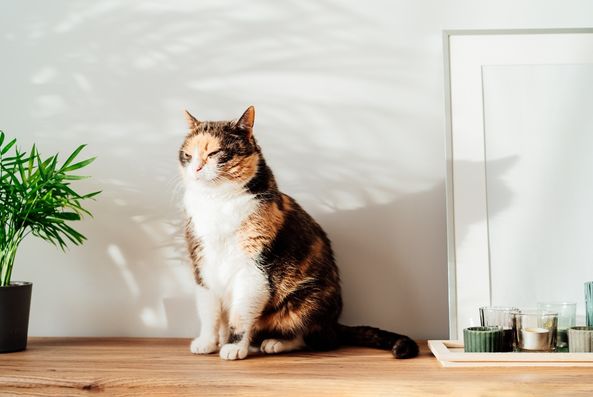
You notice your cat scratching constantly behind her ears, along her neck, across her belly. She wakes up to scratch. She pauses mid-play to scratch. The fur in certain spots is thinning. A cat scratching too much is not a quirk or a phase. It is your cat’s way of signaling that something is wrong, and the underlying cause can range from a simple flea exposure to a chronic allergic condition that needs ongoing management. This guide breaks down the most common cat skin conditions, how to recognize them, and what a veterinarian actually does to diagnose and treat the problem so you can stop guessing and start getting your cat real relief.
Why Your Cat Will Not Stop Scratching
A cat scratching too much almost always traces back to one of three root causes: parasites, allergies, or infection. Understanding which category applies to your cat is the first step toward treatment, and it is not something you can reliably determine at home.
Fleas are the most common culprit worldwide. A single flea bite triggers intense itching in many cats, and cats with flea allergy dermatitis react even more severely one bite can cause skin inflammation that lasts for days. The tricky part is that cats are meticulous groomers. By the time you notice excessive scratching, your cat may have already groomed away most of the visible evidence, leaving you wondering where the fleas went.
Skin infections both bacterial and fungal are the second most frequent cause of relentless scratching. Ringworm, despite its name, is a fungal infection rather than a worm, and it is one of the most common cat skin conditions seen in veterinary practice. It causes circular patches of hair loss, scaling, and itching. Yeast overgrowth and bacterial pyoderma produce similar symptoms with important differences in treatment.
Environmental and food-based allergies round out the top three. Cats can develop sensitivities to proteins in their diet, to pollen, dust mites, mold spores, or household cleaning products. Unlike humans, whose allergy symptoms show up mostly as sneezing and watery eyes, cats almost always express allergic reactions through their skin.
Recognizing Cat Skin Condition Symptoms
Scratching is the most obvious sign, but cat skin conditions cause a broader range of symptoms that are worth knowing:
- Miliary dermatitis: Tiny, crusty bumps along the back, neck, and belly that feel like scattered scabs under the fur. This pattern strongly suggests a flea or food allergy reaction.
- Cat itching and hair loss: Symmetrical patches of thinning fur, especially along the belly and inner thighs, often indicate an allergic condition rather than a localized infection.
- Head shaking combined with ear scratching: This combination almost always points to ear mites or a yeast-based ear infection, both of which cause intense, localized itching.
- Overgrooming specific spots: Bald patches on the belly, flanks, or inner legs caused by constant licking are called psychogenic alopecia and can result from either a physical irritant or a stress response.
- Scaling, flaking, or greasy coat: Changes in coat texture alongside cat itching and hair loss suggest a skin infection or hormonal imbalance.
- Open sores or hot spots: Self-inflicted wounds from excessive scratching or biting indicate that the itch has become severe enough to override your cat’s normal self-care instincts.
If you notice any of these signs, contact your veterinarian promptly. Skin conditions that seem mild at first can worsen quickly, especially in cats that scratch themselves to the point of breaking the skin and creating secondary infections.
We regularly see cats whose owners assumed the problem would resolve on its own. By the time they arrive at the clinic, a manageable early-stage skin condition has progressed into a multi-layer problem requiring more intensive treatment.
What Causes Cat Skin Conditions: Common Culprits
Cat skin conditions fall into several distinct categories, and a correct diagnosis depends on identifying the right one.
Parasites: Fleas, ear mites, and mange mites (Demodex or Notoedres) all cause intense scratching. Fleas target the base of the tail and neck. Ear mites concentrate their damage inside the ear canal. Mange causes severe, widespread itching with visible skin thickening and crust formation.
Fungal and bacterial infections: Ringworm is highly contagious to other pets and to humans and requires specific antifungal treatment. Bacterial skin infections (pyoderma) produce pustules, crusting, and redness. Both are diagnosed through skin scrapings or cultures, not by visual inspection alone.
Food allergies: Cat allergy symptoms and skin reactions often do not appear immediately after a diet change. A cat can eat the same food for years before developing a sensitivity to a specific protein, most commonly chicken, beef, or fish. Diagnosing a food allergy requires a strict elimination diet trial, typically eight to twelve weeks, under veterinary supervision.
Environmental allergies (atopy): Cat allergy symptoms and skin presentations from environmental triggers often flare seasonally. In South Florida, year-round high humidity supports continuous mold and dust mite exposure, which means cats in Aventura and the Miami-Dade area may show atopic skin reactions without a clear seasonal pattern.
Hormonal imbalances: Conditions like hyperthyroidism can alter coat quality and skin health as a secondary effect. These are identified through bloodwork rather than skin examination alone.
How Vets Diagnose and Treat Cat Skin Problems
A cat that is scratching constantly deserves a thorough diagnostic workup not a single treatment tried at random. Vet treatment for cat skin conditions follows a structured process designed to identify the actual cause before prescribing anything.
Here is what a veterinary skin evaluation typically involves:
- Full physical examination: The vet examines the pattern, distribution, and appearance of skin changes. Where the lesions are located provides strong diagnostic clues.
- Skin scraping: A small sample of skin cells is examined under a microscope to detect mange mites, fungal spores, or abnormal cell populations.
- Wood’s lamp or fungal culture: Used specifically to evaluate for ringworm. A Wood’s lamp causes certain ringworm strains to fluoresce, while a culture confirms the diagnosis.
- Cytology: A tape strip or impression smear of the affected area reveals whether bacteria or yeast are present and in what quantity.
- Bloodwork: Ordered when a hormonal cause or systemic illness is suspected alongside the skin changes.
- Elimination diet trial: Recommended when food allergy is a likely contributor based on symptom pattern and history.
Vet treatment for cat skin conditions depends entirely on what the diagnosis reveals. Parasite infestations are treated with targeted antiparasitic products. Infections require antifungal or antibiotic medications based on the specific organism. Allergies may be managed through diet modification, environmental controls, or prescription medications that reduce the allergic response. Your veterinarian will determine the right approach based on your cat’s complete health profile.
At The Cat Hospital at Amor, we perform thorough skin evaluations for cats of all ages and coat types, with a strong focus on getting to the root cause rather than simply managing the surface symptoms.
When to Stop Waiting and Call Your Vet
Most skin conditions in cats do not resolve on their own. They progress. A cat scratching too much for more than a week, developing visible hair loss, or scratching to the point of breaking the skin should be evaluated by a veterinarian without delay. At-home remedies and over-the-counter products are not designed to treat the underlying cause and can sometimes delay diagnosis by temporarily masking symptoms.
Early diagnosis means faster relief for your cat and a simpler, shorter course of treatment for you. The longer cat itching and hair loss go unaddressed, the more complex the problem tends to become. Your cat cannot tell you how much she is suffering, but she is showing you. Book an appointment today.
Frequently Asked Questions
Q: Can I treat my cat’s scratching at home without seeing a vet?
Ans: Over-the-counter flea treatments can help if fleas are clearly confirmed as the cause. However, most causes of excessive scratching in cats including allergies, fungal infections, and mange cannot be accurately diagnosed or effectively treated without a veterinary examination. Using the wrong product can delay proper treatment and sometimes worsen the condition.
Q: How do I know if my cat has a food allergy versus a flea problem?
Ans: Both can cause similar scratching patterns, which is why a veterinary diagnosis matters. Food allergies tend to cause year-round itching that does not respond to flea treatment, often with symptoms concentrated around the face, neck, and belly. Flea allergy dermatitis typically concentrates near the base of the tail and back. A vet can examine your cat and recommend the right diagnostic steps.
Q: Is ringworm dangerous for my cat?
Ans: Ringworm is uncomfortable but treatable. It is a fungal infection, not a worm, and it responds well to antifungal medication. The more important concern is that ringworm is contagious it spreads to other pets in the household and can also infect humans. Prompt veterinary diagnosis and treatment protects your entire household.
Q: My cat has bald patches but is not scratching much. Should I still see a vet?
Ans: Yes. Hair loss without obvious scratching can indicate overgrooming which cats often do quietly and out of sight or a hormonal condition, fungal infection, or stress response. Any unexplained hair loss warrants a veterinary evaluation to determine the cause and appropriate treatment.
Q: How long does it take to treat a cat skin condition?
Ans: Treatment length depends entirely on the diagnosis. Flea-related conditions often improve within a few weeks once all pets in the home are treated and the environment is addressed. Food allergy diagnosis requires an eight to twelve week elimination diet. Fungal infections may require several weeks of antifungal medication. Your veterinarian will give you a realistic timeline based on your cat’s specific condition.
Amor Animal Hospital
Schedule Your Pet’s Visit Today
Your pet’s health and happiness are our top priorities. Schedule an appointment today and experience compassionate, expert care tailored to your furry friend’s needs.