20305 Biscayne Blvd. Aventura, FL 33180

How to Understand Your Cat: Guide to Feline Behavior and Communication
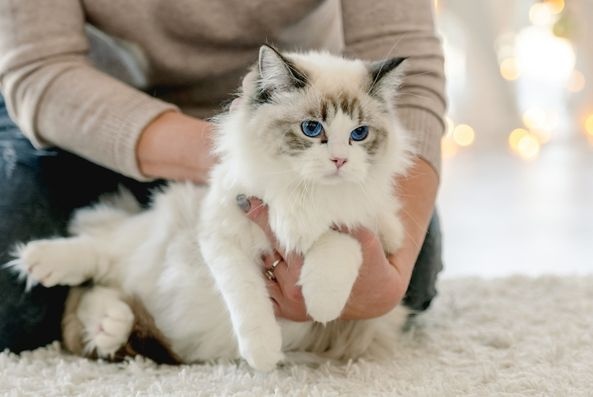
Your cat is talking to you. Every flick of the tail, slow blink, and chirp carries meaning. The problem is most pet owners never learned to listen. Cats are not aloof or mysterious by nature. They are expressive animals with a rich vocabulary of sounds, postures, and movements. The challenge is knowing what to look for. Understanding feline behavior and communication can transform your relationship with your cat. It reduces stress for both of you, helps you catch health changes early, and builds the kind of trust that makes a cat genuinely happy to be around you. This guide breaks down exactly what your cat is saying and how to respond in a way your cat will understand.
The Hidden Language Cats Speak Every Day
Cats developed most of their vocalizations specifically to communicate with humans, not with other cats. That fact surprises most people. Wild cats are largely silent with each other. Meowing, chirping, and trilling evolved as a response to living alongside people. Your cat learned early that making noise gets results.
Feline behavior and communication happen across three channels at once: vocalizations, body language, and scent signals. Most pet owners only tune into the first. That means they are missing the majority of what their cat is saying.
In our experience, cats who seem “difficult” or standoffish are almost always being misread. Once owners understand the signals, the relationship shifts quickly. Cats are not withholding. They are speaking a language their owners have not been taught.
Why Does My Cat Meow So Much?
Excessive meowing is one of the most common concerns we hear from cat owners. The answer depends entirely on context. A cat meowing at 5 a.m. is different from one crying near the litter box.
Kittens meow to call their mothers. Adult cats carry that behavior forward and direct it toward their human caregivers. Each cat develops a personal vocabulary over time. Regular meowing at feeding time is learned behavior. Your cat discovered that noise produces food, and it works.
Cats meowing more than usual can signal something worth paying attention to. When a previously quiet cat becomes vocal, it often points to pain, anxiety, or a medical change. Why cats meow so much in older cats, in particular, can indicate thyroid problems, cognitive changes, or hearing loss. If the pattern shifts suddenly, contact your veterinarian.
Common reasons cats meow often:
- Hunger or routine disruption: Cats are creatures of habit. A late meal triggers vocal protest.
- Attention-seeking: Some cats are simply more social and vocal by personality.
- Discomfort or pain: Persistent crying without a clear cause warrants a vet visit.
- Environmental stress: A new pet, new person, or rearranged furniture can trigger increased vocalization.
- Medical conditions: Hyperthyroidism and hypertension are common culprits in older cats. Why cats meow so much after age 10 is a question that deserves a veterinary answer, not just reassurance.
What Does Your Cat’s Body Language Actually Mean?
Cat body language signs tell you more than any meow ever could. The tail, ears, eyes, and posture all work together to signal mood and intention.
Tail up, slightly curved at the tip: Your cat is happy to see you. This is a greeting. Match it by offering your hand low for a sniff before reaching to pet.
Tail puffed up: Fear or aggression. Your cat feels threatened. Give space and remove the stressor if possible.
Slow blink: This is one of the most important cat body language signs to know. A slow blink from your cat is a trust signal. You can return it. Slow-blinking back tells your cat you are not a threat. It builds connection over time.
Ears flat or rotated back: Anxiety or defensiveness. Do not push interaction when you see this.
Belly exposed: Often misread as an invitation to pet. For many cats, a belly-up position signals comfort in your presence, not a request for belly rubs. Touching an exposed belly often triggers a scratch reflex. Observe rather than reach.
Whiskers forward, pupils dilated: Alertness or arousal. Could be playful excitement or fear. Check the rest of the body to tell the difference.
Pet owners often tell us they were scratched “out of nowhere.” In most cases, the warning signs were there in the body language. Reading cat body language signs prevents most accidental bites and scratches.
What Causes Stress in Cats and How to Spot It Early
Cats hide discomfort well. That instinct comes from being both predator and prey in the wild. Showing weakness attracts danger. The result is that signs of stress in cats can be subtle until they become serious.
Chronic stress in cats is more common than most owners realize. Estimates suggest it affects a significant portion of indoor cats, particularly in multi-pet households or environments with frequent disruption. Behavioral problems are one of the leading reasons cats are surrendered to shelters. Most of those problems are stress responses, not personality defects.
Signs of stress in cats to watch for:
- Over-grooming or patchy fur loss
- Hiding more than usual
- Changes in litter box habits, such as going outside the box or reduced frequency
- Appetite changes
- Aggression toward people or other pets
- Excessive vocalization at unusual times
In our experience, litter box avoidance is often the first behavioral sign that something is wrong. It is rarely spite. It is usually a signal. A urinary blockage, infection, or pain can all express themselves this way. Do not wait. If litter box habits change suddenly, get your cat seen promptly.
Common stressors for indoor cats include too little vertical space, no hiding spots, unpredictable schedules, loud environments, and inadequate playtime. Addressing the environment often resolves the behavior without any medication.
How to Bond With Your Cat Through Better Communication
Building trust with a cat takes patience and consistency. Cats do not respond to force or repetition the way dogs might. They respond to reading them accurately and honoring what they signal.
Here are four actionable ways to strengthen your connection:
- Match their energy. Cats approach on their own terms. Sit quietly nearby, let them come to you, and keep movements calm and predictable.
- Use slow blinks intentionally. Practice this every day. Over time, your cat will return the gesture. It is one of the most direct ways to communicate calm safety.
- Schedule consistent play sessions. Daily play using a wand toy or feather targets a cat’s natural hunt drive. Ten to fifteen minutes twice a day dramatically reduces anxious and destructive behavior. This is one of the best ways to bond with your cat.
- Respect body language. When your cat signals they are done with interaction, stop. Honoring their signals builds more trust than any amount of forced affection.
- Keep their environment predictable. Feed at the same times. Keep the litter box in the same location. Cats thrive on routine. Disruption of routine is one of the most overlooked drivers of behavioral problems.
We frequently remind our clients that routine dental care is also part of overall wellness that affects your cat’s mood and behavior. Oral pain is a silent stressor that often shows up as irritability or withdrawal before any other sign appears.
How to bond with your cat also means staying on top of their health. A cat in pain cannot communicate comfort, no matter how much you work on connection. Annual wellness exams catch problems before they affect behavior. The Cat Hospital at Amor provides cat-only care designed to reduce the stress of vet visits and support your cat’s long-term well-being.
Conclusion
Cats communicate constantly. The key is learning their language rather than expecting them to learn yours. Understanding feline behavior and communication changes how you see every tail flick, ear position, and meow. Watch the body. Listen to the context. Respond consistently, and your cat will meet you halfway. Pay attention to changes in behavior, because they often signal health changes worth addressing early. Regular veterinary care keeps your cat comfortable enough to show you who they really are. The Cat Hospital at Amor is here to support both the health and the happiness of your cat at every life stage. Book an appointment today.
Frequently Asked Questions
Q: Why does my cat meow at night?
Ans: Nighttime vocalization in cats can be caused by hunger, boredom, anxiety, or underlying medical issues. In older cats, it often signals cognitive changes or pain. If nighttime meowing is new or frequent, schedule a veterinary visit to rule out a medical cause.
Q: What does it mean when a cat shows its belly?
Ans: A cat showing its belly usually signals that it feels safe and relaxed in your presence. It is not necessarily an invitation to pet that area. Many cats will swipe if you touch the belly directly. Observe and appreciate the trust without reaching in.
Q: How do I know if my cat is stressed?
Ans: Common signs of stress in cats include hiding, litter box changes, over-grooming, appetite shifts, and increased or decreased vocalization. If you notice a sudden change in your cat’s normal behavior, that is your signal to investigate the environment and consult your vet.
Q: Why does my cat slow blink at me?
Ans: A slow blink is a feline trust and affection signal. Your cat is telling you they feel safe and calm around you. You can slow blink back to reinforce that feeling. It is one of the clearest positive signals in cat body language.
Q: How often should I take my cat to the vet if they seem healthy?
Ans: Annual wellness exams are recommended for adult cats, even when they appear healthy. Cats mask discomfort naturally, so regular check-ups catch issues before behavioral or physical symptoms appear. Senior cats benefit from visits every six months.
Amor Animal Hospital
Schedule Your Pet’s Visit Today
Your pet’s health and happiness are our top priorities. Schedule an appointment today and experience compassionate, expert care tailored to your furry friend’s needs.