20305 Biscayne Blvd. Aventura, FL 33180

Wet Food vs. Dry Food: What’s Actually Better for Your Cat’s Health?
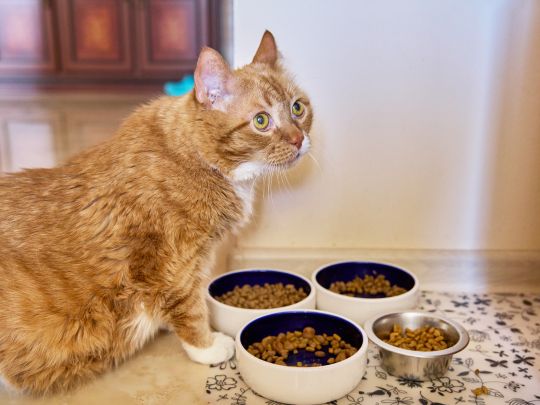
Walk down any pet store aisle, and the choices are overwhelming dozens of brands, formulas, and textures all claiming to be the best for your cat. The question every cat owner eventually asks is simple: does it actually matter whether you feed wet food or dry food? The answer is yes, and it matters more than most people realize. The debate over wet food vs dry food for cats is not about personal preference or convenience; it is about how your cat’s biology works and what her body is built to eat. This guide breaks down the science behind both options, the health conditions that make the choice more urgent, and how to put together a feeding plan that works for your individual cat.
Wet Food vs. Dry Food for Cats: What the Science Actually Shows
Wet food vs dry food for cats comes down to one fundamental biological fact: cats are obligate carnivores who evolved eating prey with a moisture content of roughly 70 percent. Wet food closely mirrors that composition. Dry food, by comparison, contains only about 8 to 12 percent moisture a dramatic difference that has real consequences for how your cat’s kidneys, urinary tract, and overall metabolism function.
Cats have a low thirst drive compared to dogs and humans. In the wild, they get nearly all their water from the food they eat. A domestic cat eating exclusively dry food is chronically mildly dehydrated in most cases, and many cats simply do not compensate by drinking more water, even when a fresh water bowl is always available. This is not stubbornness; it is how their biology is wired.
Studies across veterinary nutrition consistently show that cats on wet-food-dominant diets produce more dilute urine, which reduces the concentration of minerals that form urinary crystals and stones. For cat breeds predisposed to urinary issues and for male cats in general, who have narrower urethras this distinction can be clinically significant. Approximately 1 in 10 cats will experience a urinary tract problem at some point in their life, and diet plays a direct role in that risk.
Where Dry Food Has Real Advantages
The best cat food for health is not always the one with the highest moisture content. Dry food offers benefits that are worth understanding before writing it off entirely.
Caloric density is a meaningful factor for active cats and multi-cat households. Dry food is more calorie-dense by volume, which means smaller portions deliver more energy. For cats that maintain a healthy weight easily, this is a non-issue. For cats prone to obesity, however, that same caloric density becomes a liability it is easy to overfeed dry food without realizing it.
Convenience and cost make dry food the practical choice for many owners. The best cat food for health is the one your cat will actually eat consistently within a sustainable routine. A high-quality dry food fed on a scheduled basis is substantially better than a premium wet food fed irregularly because of cost or storage constraints.
Dental health is frequently cited as a benefit of dry food, with the rationale that the crunch mechanically cleans teeth. The evidence for this is limited. Some specially formulated dental dry foods do reduce tartar buildup, but standard dry kibble provides minimal dental benefit. Regular professional dental cleanings and at-home brushing remain the standard of care regardless of diet type.
The Link Between Cat Hydration and Chronic Disease
Cat hydration and diet are more connected than most owners realize, and the stakes get higher as cats age. Chronic kidney disease affects an estimated 30 to 40 percent of cats over the age of 10. The kidneys filter waste from the blood and require adequate hydration to function properly. A lifetime of low dietary moisture intake does not cause kidney disease on its own, but it does add sustained pressure to an organ that is already working hard.
The same connection applies to urinary tract health. Feline idiopathic cystitis inflammation of the bladder without an infection is one of the most common conditions seen in middle-aged cats, and cat hydration and diet are central to its management. Increasing moisture intake through wet food is one of the first dietary recommendations veterinarians make for cats diagnosed with this condition.
In the heat and humidity of South Florida, where cats in Aventura and the surrounding area experience warmer indoor environments year-round and may already be managing higher ambient temperatures, dietary moisture becomes even more important. Cats that are slightly dehydrated do not always signal thirst clearly. Adding wet food to the diet provides hydration passively, without relying on your cat to drink more water independently.
Dry Food and Cat Kidney Health: A Long-Term View
Dry food and cat kidney health are linked in a way that becomes more relevant as cats move into middle and senior age. Veterinarians who work extensively with feline patients see a clear pattern: cats presenting with early-stage kidney disease are much more likely to have been fed exclusively dry food throughout their lives.
This does not mean dry food causes kidney failure. Many cats eat dry food for a full lifetime without developing kidney disease. But dry food and cat kidney health research do suggest that adequate moisture intake supports better kidney function over time and that transitioning cats with early kidney changes to a wet-food-dominant diet can slow disease progression.
For cats already diagnosed with kidney disease, your veterinarian will likely recommend a prescription kidney diet formulated to reduce protein and phosphorus loads on the kidneys. Whether that diet comes in wet or dry form depends on your cat’s specific lab values, current appetite, and overall health picture. Your veterinarian is the right person to guide these decisions not general feeding guidelines on a food packaging label.
How to Feed Your Cat Right: A Practical Framework
How to feed your cat right depends more on your individual cat than on any universal rule. Here is a practical approach that works for most cats and most households:
- Start with wet food as the foundation. Aim for at least 50 to 75 percent of daily calories coming from wet food, particularly for cats over five years old, cats with urinary history, or cats that are not strong drinkers.
- Use dry food strategically. A high-quality dry food can supplement the diet and is useful for scheduled feedings, puzzle feeders, or situations where wet food is not practical. Avoid free-choice dry food, which makes portion control nearly impossible.
- Transition slowly. Cats are notoriously resistant to sudden diet changes. Mix a small amount of the new food into the old over seven to fourteen days, gradually shifting the ratio.
- Check ingredient quality, not marketing claims. Look for a named animal protein as the first ingredient. Avoid foods where corn, wheat, or unspecified by-products appear at the top of the ingredient list.
- Schedule regular vet checkups. How to feed your cat right changes as she ages. A senior cat’s nutritional needs differ significantly from a kitten’s, and those needs shift again when a health condition enters the picture.
At The Cat Hospital at Amor, nutrition counseling is part of every wellness visit because what your cat eats is one of the most powerful levers you have for influencing her long-term health.
Making the Right Choice for Your Cat
There is no single correct answer that applies to every cat. But if you step back from the debate, a general principle emerges: a diet that more closely mirrors what cats are biologically designed to eat tends to support better long-term health outcomes. Wet food vs dry food for cats ultimately becomes a less divisive question when you frame it as a matter of moisture, protein quality, and caloric balance rather than brand loyalty or convenience alone.
The best starting point is a conversation with your veterinarian, who can assess your cat’s current health, age, weight, and any existing conditions before making a specific recommendation. Feeding decisions made with that context in hand are far more effective than any general guideline. Book an appointment today.
Frequently Asked Questions
Q: Can I feed my cat both wet and dry food?
Ans: Yes, and for many cats, a combination approach works well. Wet food provides the hydration and high-protein composition cats are built for, while dry food can serve as a convenient supplement for scheduled feedings. The key is managing total daily calorie intake across both types so your cat does not gain unwanted weight. Ask your veterinarian what ratio makes sense for your cat’s age and health status.
Q: My cat refuses to eat wet food. What should I do?
Ans: Cats develop strong food preferences early, and transitioning a dry-food-committed cat to wet food takes patience. Warm the wet food slightly to enhance its aroma, try different textures (pate versus shredded versus chunks in gravy), and mix a very small amount into the dry food at first. Transitions should happen over one to two weeks. If your cat refuses all wet food consistently, speak with your veterinarian about other ways to increase dietary moisture.
Q: Does dry food really clean my cat’s teeth?
Ans: Standard dry kibble provides very limited dental benefit. A small number of specially designed dental dry foods are formulated to reduce tartar, but these are different from everyday dry food. The most effective tools for your cat’s dental health are regular professional cleanings and consistent at-home dental care, regardless of diet type.
Q: How much wet food should a cat eat per day?
Ans: Daily wet food amounts depend on your cat’s weight, age, activity level, and whether you are also feeding dry food. Most commercial wet food labels provide a general feeding guide by weight, but these are starting points, not precise prescriptions. Your veterinarian can calculate the right caloric target for your specific cat and help you portion accordingly.
Q: Is grain-free cat food healthier?
Ans: Not necessarily. Grains are not inherently harmful to cats, and many grain-free foods simply replace grains with other carbohydrate sources like potatoes or legumes. What matters more than grain content is the overall protein quality and moisture content of the diet. Focus on named animal proteins at the top of the ingredient list and a moisture level appropriate for your cat’s health needs rather than marketing terms like grain-free.
Amor Animal Hospital


Schedule Your Pet’s Visit Today
Your pet’s health and happiness are our top priorities. Schedule an appointment today and experience compassionate, expert care tailored to your furry friend’s needs.