20305 Biscayne Blvd. Aventura, FL 33180

The First-Year Vaccine Schedule Every New Kitten Owner Should Follow

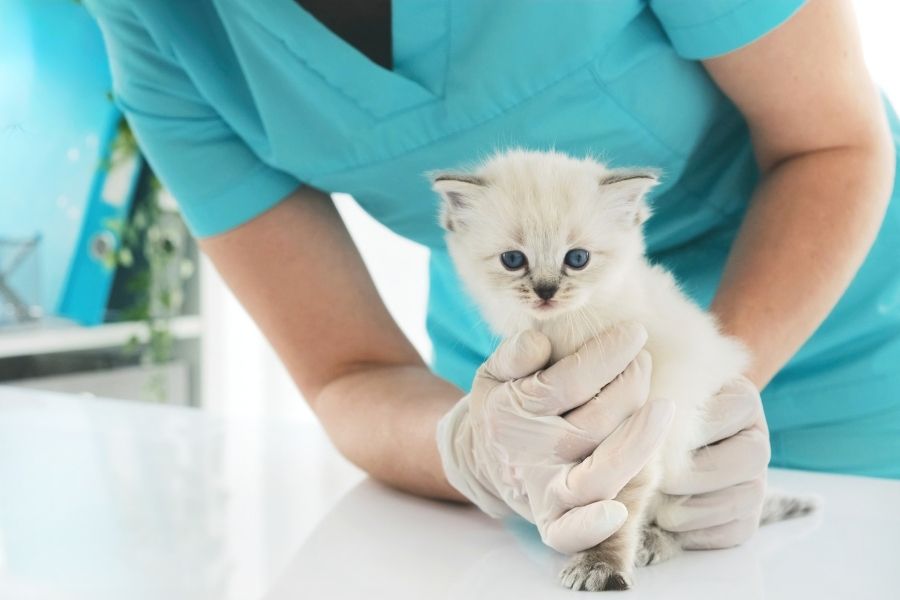
Bringing a new kitten home in Aventura is one of the most exciting things a pet owner can do. But those first weeks fly by fast, and it is easy to miss a critical step: starting your kitten on the right vaccine schedule. A proper kitten vaccine schedule protects your new cat from serious, often life-threatening diseases during the most vulnerable months of her life. Many of the illnesses we vaccinate against can spread quickly in Florida’s warm, humid climate, where cats encounter other animals and insects year-round. In our experience, kittens who fall behind on their vaccines are far more likely to come in seriously ill. This guide walks you through every shot your kitten needs in year one, when to get each one, and why timing matters more than most owners realize.
What Does a Kitten Vaccine Schedule Actually Cover?
A kitten vaccine schedule is a series of visits and injections spaced across the first 16 to 20 weeks of your kitten’s life. The goal is to build immunity gradually as your kitten’s natural protection from her mother fades.
Kittens are born with some antibodies passed through their mother’s milk. Those antibodies are helpful early on, but they also interfere with vaccines. That is why vets give shots in a series rather than all at once.
According to the American Veterinary Medical Association, core vaccines are recommended for every cat regardless of lifestyle. These include the FVRCP combination vaccine (feline viral rhinotracheitis, calicivirus, and panleukopenia) and the rabies vaccine. Both are non-negotiable in healthy kittens.
The Week-by-Week Vaccination Timeline
Understanding the kitten vaccination timeline helps you plan ahead and never miss a critical window. Here is what a standard first-year schedule looks like:
- 6 to 8 weeks: First FVRCP vaccine. This is your kitten’s introduction to core protection. Some kittens this young are still with their breeder or rescue.
- 10 to 12 weeks: Second FVRCP booster. This is when immunity starts building in a meaningful way.
- 14 to 16 weeks: Third FVRCP booster plus the first rabies vaccine. Rabies vaccination is required by law in Florida.
- 12 months: Annual booster vaccines to maintain protection into adulthood.
Pet owners often tell us they did not realize kittens need more than one or two shots. The three-visit FVRCP series is essential because no single dose builds complete protection on its own. Skipping a booster is like stopping antibiotics halfway through a prescription.
What to Expect at Your Kitten’s First Year Wellness Visits
A kitten wellness visit vet appointment is much more than just vaccines. Each visit is a full nose-to-tail exam designed to catch problems early, answer your questions, and track your kitten’s growth.
During these visits, your veterinarian will check your kitten’s eyes, ears, teeth, heart, lungs, and abdomen. They will also screen for parasites such as intestinal worms and ear mites, which are extremely common in young cats.
In Aventura, we see a high volume of kittens with upper respiratory infections in their first months of life. These infections spread fast in multi-cat homes or rescues. Starting the FVRCP series on time gives your kitten the best defense.
Your vet will also discuss flea prevention, microchipping, and spay or neuter timing at these visits. Bringing a written list of your questions makes each appointment more productive.
Do Indoor Kittens Still Need the Full First Year Kitten Shots?
Yes. Indoor cats still need their first year kitten shots, even if they never set a paw outside. This is one of the most common misconceptions we hear from new cat owners in South Florida.
Viruses like feline panleukopenia can survive on surfaces, clothing, and shoes brought in from outdoors. Rabies exposure can happen if a bat or other wild animal enters your home, which is not uncommon in Florida.
The AAHA (American Animal Hospital Association) recommends the full core vaccine series for all cats, indoor or outdoor, because the risk of exposure cannot be completely eliminated in any environment.
A kitten wellness visit vet appointment is also the right time to discuss lifestyle-based vaccines. Your vet may recommend the feline leukemia (FeLV) vaccine if your kitten will spend any time outdoors or live with other cats of unknown status.
Protecting Your Kitten with the Cat Vaccine Core Series
The cat vaccine core series is not optional. Each vaccine in the series targets a different disease, and each disease poses a real, serious threat to unprotected kittens.
Feline panleukopenia, sometimes called feline distemper, is highly contagious and often fatal in young cats. Feline calicivirus causes painful mouth ulcers and respiratory illness. Feline herpesvirus leads to chronic eye and breathing problems that can last a lifetime. Rabies poses a risk to both your cat and your family.
In Florida’s climate, outdoor exposure to wildlife and stray cats makes the cat vaccine core series especially important. We frequently remind our clients that prevention is always less expensive, less stressful, and more effective than treatment.
Vaccination schedules vary by kitten and by health history. Your vet will recommend the exact timing that fits your cat’s needs. Never skip a booster without speaking to your vet first.
Keeping Your Kitten on Track Through Year One
Getting your kitten on the right kitten vaccine schedule from the start gives her the healthiest possible foundation. Vaccines are among the most powerful tools veterinary medicine has ever developed. They have dramatically reduced the rates of deadly infections in cats across the country.
The first year goes quickly. Between your kitten’s growth spurts, personality changes, and playful chaos, it is easy to let a vet appointment slip. Set reminders in your phone for each visit before you leave the clinic. Write down the date of your kitten’s next shot before you walk out the door.
At Amor Animal Hospital, we make it easy to stay on schedule. Our team will remind you when boosters are due and answer every question you have along the way. Your kitten deserves a healthy start. Book an appointment today.
Frequently Asked Questions
When should I take my kitten to the vet for the first time?
Ans: Take your kitten to the vet as soon as possible after bringing her home, ideally between 6 and 8 weeks of age. The first visit starts the vaccine series and allows your vet to check for any early health concerns.
How many vaccine visits does a kitten need in the first year?
Ans: Most kittens need three to four visits in the first 16 to 20 weeks for their core vaccine series, plus a follow-up at 12 months for annual boosters. Your vet will give you an exact schedule based on your kitten’s age and health.
Is the rabies vaccine required for kittens?
Ans: Yes. Florida law requires rabies vaccination for all cats. Your kitten will receive her first rabies vaccine around 14 to 16 weeks of age.
What happens if my kitten misses a vaccine booster?
Ans: A missed booster may mean your kitten needs to restart part of the series to build full protection. Contact your vet as soon as you realize a shot was missed so they can get your kitten back on track quickly.
Are there any side effects I should watch for after kitten vaccines?
Ans: Mild side effects like soreness at the injection site, low energy, or a slight fever are normal and usually resolve within 24 to 48 hours. Contact your vet right away if your kitten shows difficulty breathing, severe swelling, vomiting, or collapse.
Amor Animal Hospital
Schedule Your Pet’s Visit Today
Your pet’s health and happiness are our top priorities. Schedule an appointment today and experience compassionate, expert care tailored to your furry friend’s needs.