20305 Biscayne Blvd. Aventura, FL 33180

How to Train a Kitten to Use the Litter Box

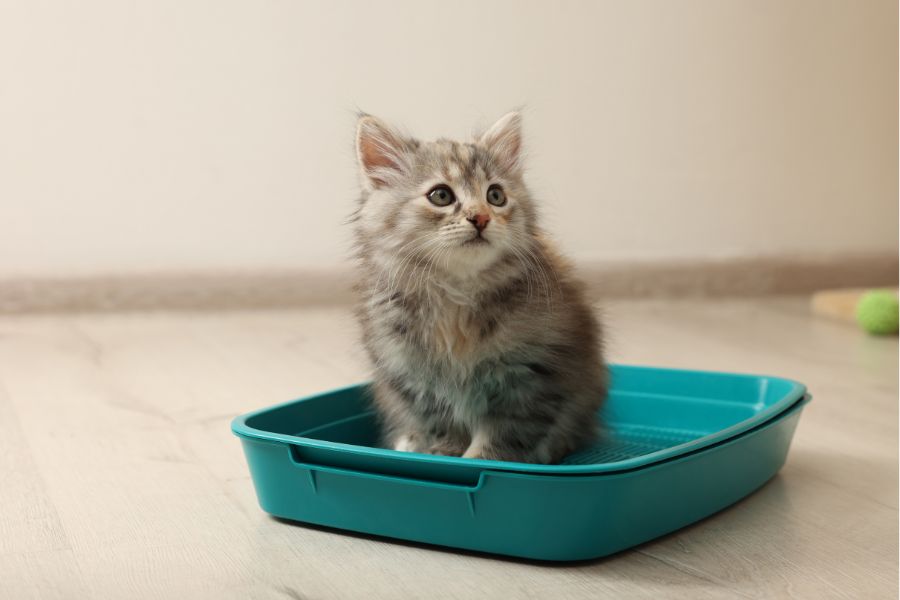
Training a kitten to use the litter box is one of the first and most important steps in raising a happy, well-adjusted cat. The good news? Most kittens naturally want to use a litter box; they just need gentle guidance and the right setup. In this guide, we’ll explain how to train a kitten to use the litter box, common mistakes to avoid, and when you need a veterinarian if problems arise.
Why Litter Box Training Is Usually Easy for Kittens
Unlike puppies, kittens are born with an instinct to bury their waste. In the wild, this behavior helps keep predators away. Because of this instinct, most kittens can learn litter box habits very quickly, sometimes in just a few days.
However, problems can happen if:
- The litter box is hard to find
- The box or litter feels uncomfortable
- The kitten feels stressed in a new home
Understanding your kitten’s needs makes training smoother and prevents accidents early on.
When Should You Start Litter Box Training a Kitten?
Litter box training can begin as early as 3–4 weeks of age, but most kittens are ready when they come home at 8–10 weeks. During this time, consistent routines are a key part of proper kitten care.
If you recently adopted a kitten, keep in mind that new smells, sounds, and people can be overwhelming. Patience during the first week is key.
Choosing the Right Litter Box for Your Kitten
The litter box setup matters more than many pet owners realize.
Best Litter Box for a Kitten
- Use a low-sided box so your kitten can climb in easily
- Avoid covered boxes at first — they can feel scary
- Choose a box that’s small but roomy enough to turn around
A good rule of thumb: the box should be about 1.5 times your kitten’s length.
What Type of Litter Is Best for Kittens?
Stick with unscented, fine-grain clumping litter when training a kitten to use the litter box.
Avoid:
- Strongly scented litter
- Crystal litter
- Pellet litter
- Clay litter with added fragrances
Some kittens refuse certain textures, and scented litter can irritate sensitive noses.
Where to Place the Litter Box
Ideal Litter Box Placement
- Quiet but easy to access
- Away from food and water bowls
- Not near loud appliances
In apartments or homes, place one box per floor if possible. For young kittens, closer is always better.
Step-by-Step: How to Train a Kitten to Use the Litter Box
Step 1: Show Your Kitten the Litter Box
As soon as your kitten arrives home:
- Gently place them in the litter box
- Let them sniff and explore
- Don’t force them to stay
This helps them learn where it is.
Step 2: Place Your Kitten in the Box After Key Moments
Kittens are most likely to go:
- After eating
- After waking up
- After playtime
Carry your kitten calmly to the litter box during these times. Even if they don’t go, the habit builds familiarity.
Step 3: Praise — Don’t Punish
If your kitten uses the litter box:
- Offer calm praise
- A gentle pet
- A small treat
Never scold or punish accidents. Fear can delay learning and cause stress-related behavior problems.
Step 4: Clean Accidents Properly
If accidents happen:
- Use an enzyme cleaner
- Avoid ammonia-based products
Regular cleaners can leave smells that encourage repeat accidents.
How Long Does Litter Box Training Take?
Most kittens learn within 3–7 days. Some may need up to two weeks, especially if:
- They were separated from their mother early
- They’re adjusting to a busy household
- There are other pets nearby
Common Litter Box Training Mistakes to Avoid
Even well-meaning pet owners can make training harder.
Mistakes That Can Cause Accidents
- Changing litter brands too often
- Using a dirty litter box
- Moving the box frequently
- Using harsh cleaners on accidents
- Using a box that’s too tall or covered
How Many Litter Boxes Does a Kitten Need?
The general rule:One litter box per cat, plus one extra
For kittens, at least two boxes placed in different areas can reduce accidents, especially in larger homes.
What If Your Kitten Refuses the Litter Box?
If your kitten avoids the box:
- Try a different litter texture
- Switch to a lower-sided box
- Move the box to a quieter area
If the problem continues beyond two weeks, there may be a medical or behavioral issue.
Medical Reasons a Kitten May Avoid the Litter Box
Sometimes litter box issues aren’t behavioral.
Possible medical causes include:
- Urinary tract infections
- Diarrhea or constipation
- Intestinal parasites
- Stress-related bladder inflammation
A veterinarian can rule out health problems early, preventing bigger issues later.
Litter Box Training in Multi-Pet Homes
If you have other cats or dogs:
- Keep the kitten’s litter box in a separate area
- Prevent dogs from accessing the box
- Avoid forcing interactions during bathroom time
Kittens need privacy to feel safe.
Outdoor vs Indoor Kittens
If your kitten was previously outdoors, they may:
- Prefer loose soil or sand
- Need extra time adjusting to litter texture
Gradually transition them by mixing soil-like litter textures before switching fully.
When to Call a Veterinarian
Contact a vet if your kitten:
- Strains to urinate
- Cries in the litter box
- Has frequent accidents after training
- Stops using the box suddenly
Early care can prevent serious urinary or digestive problems. Local pet hospitals like Amor Animal Hospital often see these issues and can help new kitten owners get back on track quickly.
Tips for Long-Term Litter Box Success
Once your kitten is trained:
- Scoop daily
- Wash the box weekly
- Keep litter depth around 2–3 inches
- Avoid sudden changes
These habits help prevent future behavior problems as your kitten grows.
Conclusion
Learning how to train a kitten to use the litter box doesn’t have to be stressful. With the right setup, patience, and consistency, most kittens catch on quickly. If problems persist or you notice signs of discomfort, professional guidance can make all the difference. For kitten owners in Aventura, scheduling a wellness visit is a great way to ensure your new companion gets a healthy start. Contact us today to support your kitten’s early development.
FAQs
Q1: How long does it take to litter train a kitten?
Ans: Most kittens learn within 3–7 days, though some may take up to two weeks.
Q2: What litter is safest for kittens?
Ans: Unscented, fine-grain clumping litter is usually safest and easiest for kittens to accept.
Q3: Why does my kitten poop outside the litter box?
Ans: This can happen due to stress, dirty boxes, or digestive issues and should be evaluated if it continues.
Q4: Can I use a covered litter box for a kitten?
Ans: Covered boxes are not recommended during training, as they may feel intimidating.
Q5: When should I see a vet for litter box problems?
Ans: If accidents persist beyond two weeks or your kitten shows signs of pain, a vet visit is recommended.
Amor Animal Hospital


Schedule Your Pet’s Visit Today
Your pet’s health and happiness are our top priorities. Schedule an appointment today and experience compassionate, expert care tailored to your furry friend’s needs.