20305 Biscayne Blvd. Aventura, FL 33180

Nail Trimming for Dogs & Cats: The Complete Pet Parent’s Guide

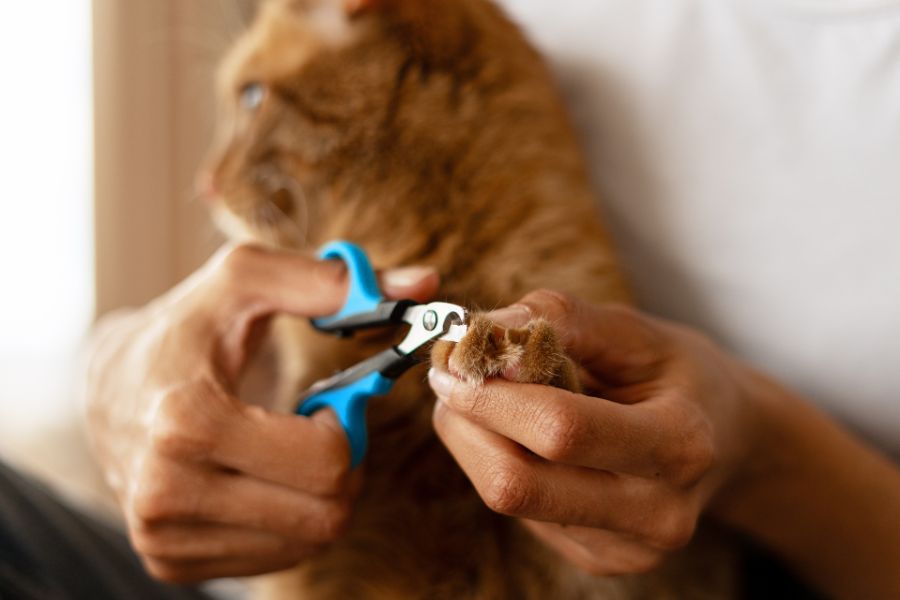
Keeping your pet’s nails trimmed isn’t just about appearance—it’s essential for their comfort, mobility, and overall health. In this nail trimming guide for pet owners, we’ll walk you through how to trim cat and dog nails safely and offer expert tips for safe pet nail trimming at home. Whether you’re a first-time pet parent or a grooming pro, this guide will help make nail care easy and stress-free for you and your furry friend.
Why Nail Trimming Matters for Dogs and Cats
Just like humans, pets’ nails continuously grow. Without regular trimming, they can become overgrown, causing discomfort, posture problems, and even infections.
Here’s why regular nail trimming is important:
- Prevents pain and injury: Overgrown nails can curl and dig into paw pads.
- Protects furniture and floors: Long nails can cause scratches and damage.
- Improves posture and balance: Especially in dogs, untrimmed nails can alter gait.
- Supports good hygiene: Keeps paws clean and prevents dirt buildup.
Veterinarians recommend checking your pet’s nails every 2–3 weeks and trimming as needed to maintain a comfortable length.
How to Trim Dog Nails Safely
Trimming your dog’s nails can feel intimidating at first, but with the right tools and technique, it becomes an easy grooming routine.
Step-by-Step Guide to Trim Dog Nails:
- Prepare your tools: Use a high-quality nail clipper or grinder made for dogs.
- Get your dog comfortable: Gently hold their paw and reward them with treats.
- Identify the quick: This is the pink area inside the nail that contains nerves and blood vessels—avoid cutting into it.
- Trim small sections at a time: Cut just the tip of the nail at a 45-degree angle.
- Use a grinder for smoothing: After clipping, use a nail grinder to smooth edges.
How to Trim Cat Nails Safely
Cats have thinner, sharper nails and retractable claws, so their trimming process is slightly different from dogs.
Follow these steps for safe cat nail trimming:
- Choose the right tool: Use a small, scissor-style clipper designed for cats.
- Pick a calm time: After playtime or a nap works best.
- Gently press the paw: This extends the claws for trimming.
- Trim just the sharp tip: Avoid cutting near the pink quick.
- Reward and reassure: Offer treats or gentle praise to make it a positive experience.
Essential Tools for Safe Pet Nail Trimming
Having the right tools makes all the difference in achieving a stress-free grooming experience.
Must-have grooming tools:
- Pet nail clippers: Choose size-appropriate clippers for dogs or cats.
- Nail grinder: Smooths sharp edges and reduces the chance of splitting.
- Styptic powder: Helps stop bleeding in case of accidental cuts.
- Treats and calming aids: Keep pets relaxed and cooperative.
Investing in high-quality tools ensures safety, comfort, and ease for both you and your pet.
How Often Should You Trim Your Pet’s Nails?
The frequency depends on your pet’s activity level, environment, and nail growth rate.
- Dogs: Every 3–4 weeks, or when you hear nails clicking on the floor.
- Cats: Every 2–3 weeks for indoor cats; outdoor cats may need less frequent trims.
If you’re unsure, your veterinarian or a professional groomer can help set an ideal schedule based on your pet’s needs.
Tips for Stress-Free Nail Trimming at Home
Trimming can be nerve-wracking—for both you and your pet! Use these expert dog and cat grooming at home tips to keep the process smooth and calm:
- Start slow: Let your pet sniff and inspect the tools first.
- Create a calm environment: Use soothing music and minimal distractions.
- Handle paws regularly: This helps desensitize pets to touch.
- Use positive reinforcement: Reward with treats and praise after each session.
- Take breaks: If your pet becomes anxious, pause and resume later.
When to Leave Nail Trimming to the Professionals
While many pet parents successfully trim nails at home, there are times when Veterinary help is the safest option.
Consider professional grooming if:
- Your pet is anxious or aggressive during trimming.
- You’re unsure where the quick begins.
- Your pet’s nails are dark or unusually thick.
- Your pet has mobility issues or arthritis.
Veterinary clinics and groomers are equipped with specialized tools and experience to make the process quick and stress-free.
Common Mistakes to Avoid During Nail Trimming
Even with the best intentions, mistakes can happen. Avoid these common pitfalls to ensure a safe grooming session:
- Cutting too close to the quick: This can cause pain and bleeding.
- Rushing the process: Stay patient and calm.
- Skipping rewards: Positive reinforcement helps long-term success.
- Using dull clippers: Always ensure blades are sharp for clean cuts.
- Ignoring signs of distress: Stop if your pet becomes fearful or agitated.
Regular nail trimming is a small act that makes a big difference in your pet’s comfort, health, and happiness. With the right technique and patience, you can confidently handle nail care at home or rely on professional support when needed.
If you are conveniently located in Aventura and looking for a pet care clinic near me, Amor Animal Hospital is the right choice for compassionate, advanced, and reliable pet care.
FAQs
Q1: How do I know if my dog’s nails are too long?
Ans: If you hear clicking on the floor or see nails touching the ground when standing, it’s time for a trim.
Q2: What should I do if I accidentally cut the quick?
Ans: Apply styptic powder to stop bleeding and comfort your pet with gentle reassurance.
Q3: Can I use human nail clippers on my cat?
Ans: It’s best to use cat-specific clippers for a safer, cleaner cut suited to feline nails.
Q4: How can I calm my pet before trimming?
Ans: Try gentle petting, treats, or calming sprays designed for pets before starting.
Q5: Is nail grinding better than clipping?
Ans: Grinding offers smoother results and reduces splintering but may take longer—choose what your pet tolerates best.
Amor Animal Hospital


Schedule Your Pet’s Visit Today
Your pet’s health and happiness are our top priorities. Schedule an appointment today and experience compassionate, expert care tailored to your furry friend’s needs.