20305 Biscayne Blvd. Aventura, FL 33180

Ear Cleaning for Dogs and Cats: Simple Grooming Tips Every Pet Parent Needs

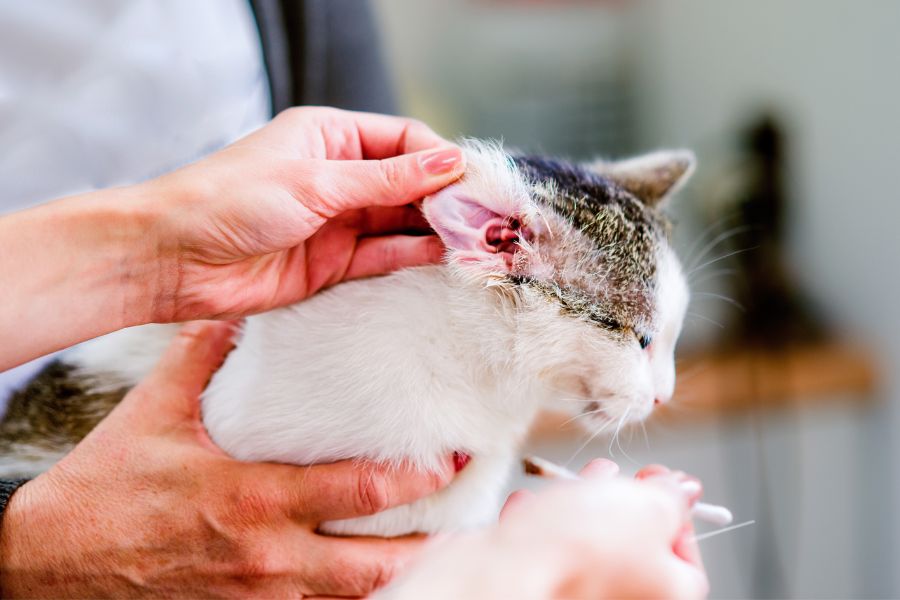
Keeping your pet’s ears clean is one of the simplest ways to support their comfort, prevent infections, and maintain long-term ear health. Whether you’re new to grooming or simply want safer techniques, learning how to clean pet ears properly makes a big difference. In this guide, you’ll find practical pet ear cleaning tips, how to choose the best ear cleaner for pets, and step-by-step instructions for effective pet ear cleaning at home. A clean, healthy ear helps reduce odor, itching, and discomfort — and keeps your dog or cat feeling their best.
Why Ear Cleaning Matters for Dogs and Cats
Routine ear cleaning isn’t just cosmetic — it’s preventive health care. Pets, especially those with floppy ears or allergies, can accumulate wax, moisture, and debris that lead to infections or chronic irritation.
Common Reasons Pets Need Regular Ear Care
- Wax buildup that traps dirt and bacteria
- Moisture from bathing, swimming, or humid climates
- Allergies that cause inflammation and excess wax
- Hair inside ear canals, common in some breeds
- Yeast or bacterial infections that thrive in warm, dark ear canals
Regular care ensures you catch small issues before they become painful problems.
Signs Your Pet’s Ears Need Cleaning
While every pet is different, these symptoms are common indicators that it’s time for cleaning:
- Noticeable odor coming from the ears
- Visible wax or dark debris
- Frequent head shaking
- Pawing or scratching at the ears
- Mild redness or irritation
- A slight tilt of the head
If you ever see pus, swelling, or if your pet seems in pain, skip the cleaning and contact a veterinarian immediately.
Choosing the Best Ear Cleaner for Pets
Not all ear cleaners are created equal. Using products made specifically for dogs and cats is crucial because their ear canals are sensitive and require safe, balanced formulas.
What to Look For
- Veterinarian-recommended brands for safety
- Alcohol-free formulas to reduce irritation
- Gentle drying agents for pets prone to moisture buildup
- Natural or soothing ingredients like aloe or chamomile
- pH-balanced solutions made for pet ears
Avoid using cotton swabs, hydrogen peroxide, or homemade mixes unless instructed by your vet.
How to Clean Your Pet’s Ears at Home (Step-by-Step)
Learning proper pet ear cleaning at home helps you keep your pet comfortable between vet visits. Here’s a safe and simple routine:
Step 1 — Gather Supplies
You’ll need:
- Pet-safe ear cleaner
- Cotton pads or gauze
- Towel
- Treats for positive reinforcement
Step 2 — Get Your Pet Comfortable
Choose a quiet, calm space. Gently hold your pet and speak softly. Reward them before you begin.
Step 3 — Apply the Ear Cleaner
- Lift the ear flap.
- Squeeze a small amount of the solution into the ear canal.
- Avoid touching the nozzle to the ear to prevent contamination.
Step 4 — Massage the Ear
Massage the base of the ear for 20–30 seconds. This helps the solution break up wax and debris.
Step 5 — Let Your Pet Shake
Most pets will shake their heads instinctively, helping expel loosened debris.
Step 6 — Wipe Away Residue
Use cotton or gauze to gently wipe the outer ear and folds. Never insert anything deep into the ear canal.
Step 7 — Reward Your Pet
End with praise and a treat to build a positive association with grooming.
How Often Should You Clean Your Pet’s Ears?
The right frequency depends on your pet’s breed, lifestyle, and ear health.
- Dogs with floppy ears (like Cocker Spaniels) may need weekly cleaning
- Active pets that swim often need more frequent cleaning
- Cats with minimal wax may only need monthly cleaning
- Pets with allergies may need more regular checkups
When in doubt, check with your veterinarian to create a routine tailored to your pet.
When to Skip Home Cleaning and Call a Veterinarian
Even with the best ear-cleaning routine, some situations require professional care. Contact a veterinarian in Aventura if your pet shows:
- Intense scratching or pain
- Swollen or hot ears
- Bleeding or discharge
- Strong, foul odor
- Dark, coffee-ground-like debris (may indicate mites)
- Sudden hearing changes
These are common signs of infections, mites, or more serious conditions that need medical treatment.
Preventing Ear Problems Before They Start
A consistent routine and good hygiene can significantly reduce the risk of infections.
Proactive Ear Care Tips
- Keep ears dry after baths or swimming
- Avoid letting shampoo enter the ear canal
- Trim excess hair around the ears if recommended by your vet
- Maintain regular grooming appointments
- Feed a balanced diet to support healthy skin and immune function
- Schedule routine checkups at an animal hospital near you
Preventive care is always easier and more affordable than treating chronic ear disease.
Conclusion
Keeping your dog or cat’s ears clean is a simple grooming habit that supports long-term comfort and overall health. With the right supplies, safe techniques, and regular checks, you can prevent infections and keep your pet healthy and happy. Suppose you are conveniently located in Aventura, FL and searching for the best animal hospital near me. Amor Animal Hospital is the right choice for compassionate, advanced, and reliable pet care.
FAQs
Q1: What is the safest way to clean my pet’s ears at home?
Ans: The safest method is using a vet-approved pet ear cleaner, massaging the base of the ear, and wiping only the visible parts without inserting anything deep into the ear canal.
Q2: How do I know if my dog or cat has an ear infection?
Ans: Common signs include odor, discharge, head shaking, redness, pain, or dark debris. A veterinarian should evaluate severe symptoms.
Q3: How often should I clean my pet’s ears?
Ans: Most dogs benefit from weekly cleaning, while many cats need monthly care. Pets with allergies or floppy ears may require more frequent cleaning.
Q4: Can I use human ear cleaners on my pets?
Ans: No. Human products can irritate or damage the ear canal. Always choose a product formulated specifically for pets.
Q5: What is the best ear cleaner for pets with sensitive skin?
Ans: Look for alcohol-free, pH-balanced formulas with soothing ingredients like aloe, and ask your vet for recommendations based on your pet’s needs.
Amor Animal Hospital

Schedule Your Pet’s Visit Today
Your pet’s health and happiness are our top priorities. Schedule an appointment today and experience compassionate, expert care tailored to your furry friend’s needs.