20305 Biscayne Blvd. Aventura, FL 33180

10 Common Mistakes Pet Owners Make After Surgery — And How to Avoid Them

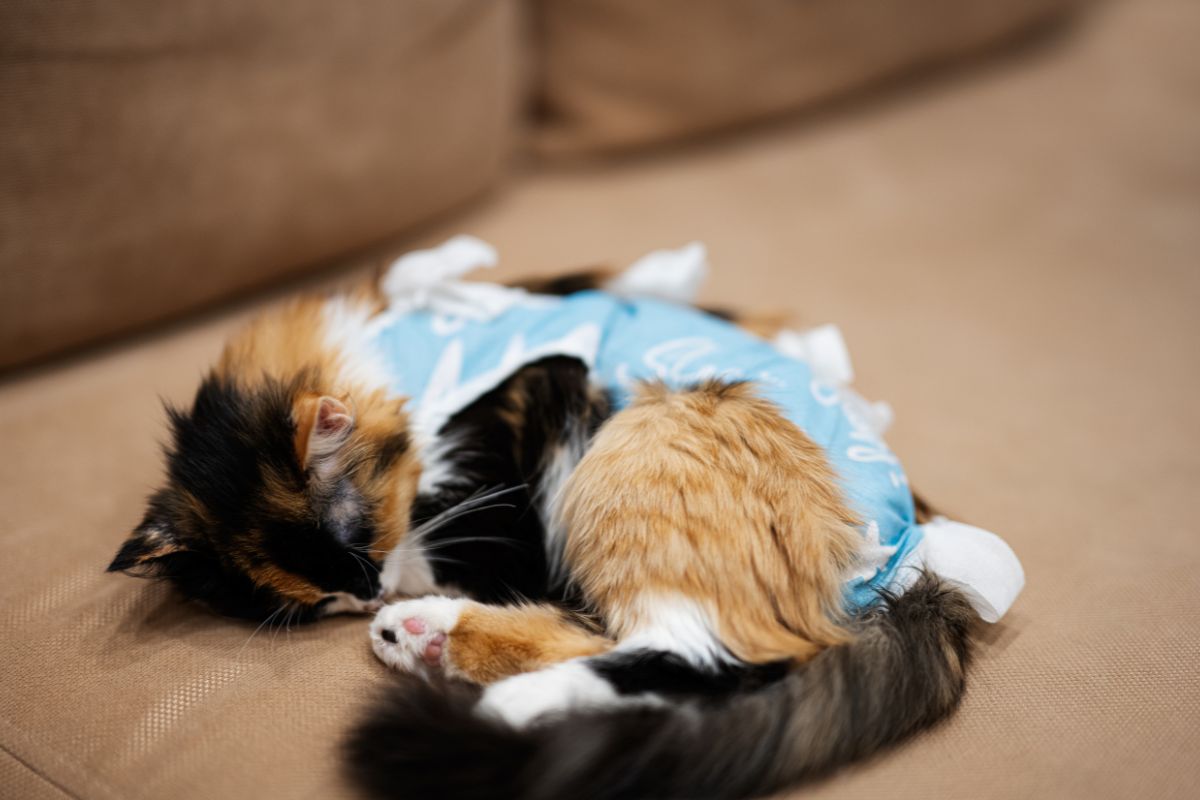
Bringing your pet home after surgery can be an emotional time. You’re relieved the procedure is over, but now the recovery responsibility falls on you. Proper aftercare is critical to ensure a smooth and complete recovery. While most pet parents have the best intentions, inevitable common mistakes can slow healing or lead to complications. To help you avoid them, we’ve outlined ten frequent post-surgery errors and what you can do instead. A veterinarian in Aventura can offer helpful tips for managing your pet’s recovery, especially if the surgery involved intricate procedures or unique aftercare needs related to veterinary surgery.
1. Not Following Post-Op Care Instructions
One of the most common mistakes is not following the veterinarian’s post-surgery instructions precisely. This can include failing to administer medications as prescribed or ignoring the recommended diet restrictions. Always ensure you clearly understand the aftercare instructions and reach out if you have any questions. A veterinarian in Aventura can offer helpful tips for managing your pet’s recovery.
2. Allowing Too Much Activity
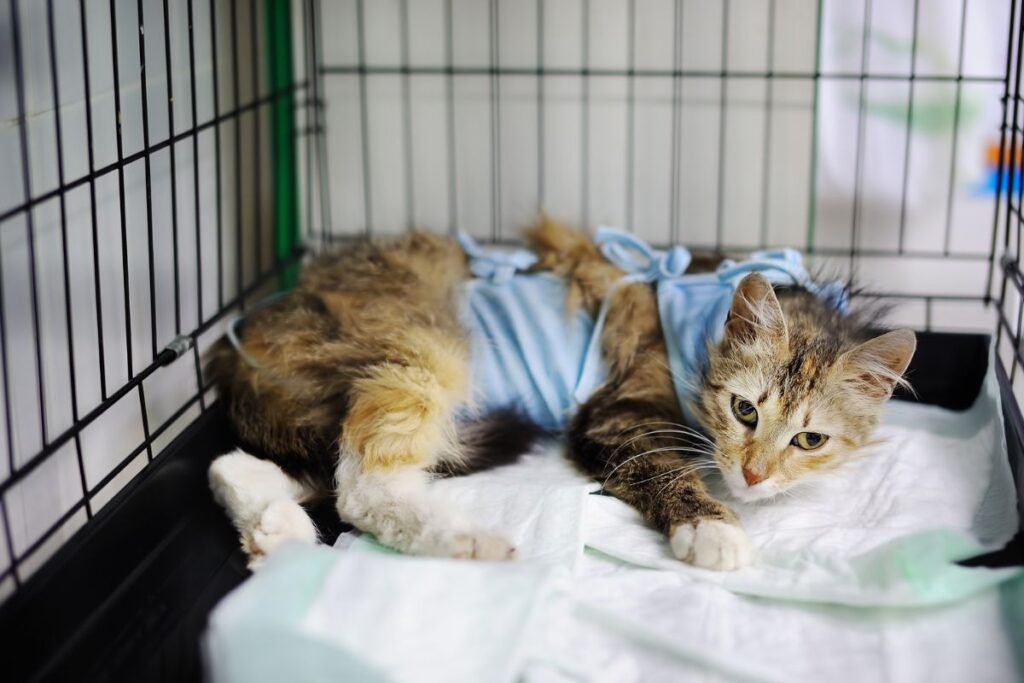
After surgery, your pet needs rest to heal properly. Overexerting them can result in complications such as the reopening of wounds or infections. While it’s tempting to let them play, try to limit their activity and provide a quiet, comfortable space for rest. Keeping your pet calm and confined to a small area, such as a crate, can speed up recovery.
3. Ignoring the Signs of Infection
Infections can occur after surgery, and ignoring signs such as redness, swelling, or discharge from the incision site can lead to serious complications. If you notice any of these symptoms, contact your veterinarian immediately. Prompt attention to emergency veterinary care can prevent further health issues and allow your pet to recover without additional setbacks.
4. Not Monitoring Food and Water Intake
Some pets may not have an appetite after surgery, but monitoring their food and water intake is essential. Dehydration or malnutrition can slow down recovery. If your pet refuses food or water, try offering bland, easy-to-digest foods, or speak with your veterinarian about alternatives. Always ensure fresh water is available.
5. Forgetting Pain Management
Pain is a natural part of recovery, but many pet owners overlook pain management. Not giving prescribed pain medications can cause unnecessary discomfort for your pet and delay healing. Always follow the vet’s instructions regarding medication and closely monitor your pet for any signs of distress. If you’re unsure about the medication or dosage, don’t hesitate to ask your veterinarian for clarification.
6. Neglecting the Incision Site
It’s easy to forget the importance of caring for your pet’s incision site, but neglecting it can lead to infections or poor healing. Keep the area clean and dry, and prevent your pet from licking or scratching the wound. If necessary, use an Elizabethan collar or a surgical recovery suit to prevent access to the incision site.
7. Not Keeping Follow-Up Appointments
Follow-up visits are crucial to monitor your pet’s recovery progress. Missing these appointments can delay detecting potential issues, like infections or complications. Schedule and attend any recommended follow-up visits with your veterinarian in Aventura. This ensures that your pet is healing correctly.
8. Ignoring Behavioral Changes
Your pet might experience mood changes after surgery. They may seem more withdrawn or irritable, which is normal as they recover. However, it’s important not to dismiss these signs as “just part of the process.” Behavioral changes could be a sign that something is wrong, such as pain or infection. If the behavioral changes persist, consult your veterinarian.
9. Not Taking Care of Your Pet’s Emotional Needs
In addition to physical recovery, your pet also needs emotional support. Being in pain or uncomfortable after surgery can lead to anxiety. Provide extra affection, comfort, and attention during their recovery. A calm, familiar environment can help your pet adjust emotionally as they heal.
10. Assuming Google Is a Substitute for a Vet
Searching symptoms online is tempting, but the internet can’t replace professional advice. If you’re concerned, call your trusted vet directly.
A Word of Encouragement
Caring for your pet after surgery can feel overwhelming, but you’re not alone. By avoiding these common mistakes and staying in touch with your vet, you’re giving your furry friend the best chance at a safe and speedy recovery. If you ever feel unsure, don’t hesitate to reach out. While Amor Animal Hospital does not offer emergency veterinary services, we are here during regular hours to support your pet’s recovery journey with personalized, professional care. Remember: A little attention and care during this time will go a long way in helping your pet return to their healthy, happy self. And if you’re ever unsure about your pet’s recovery or need guidance, consulting a professional can give you peace of mind during their healing journey.
Amor Animal Hospital
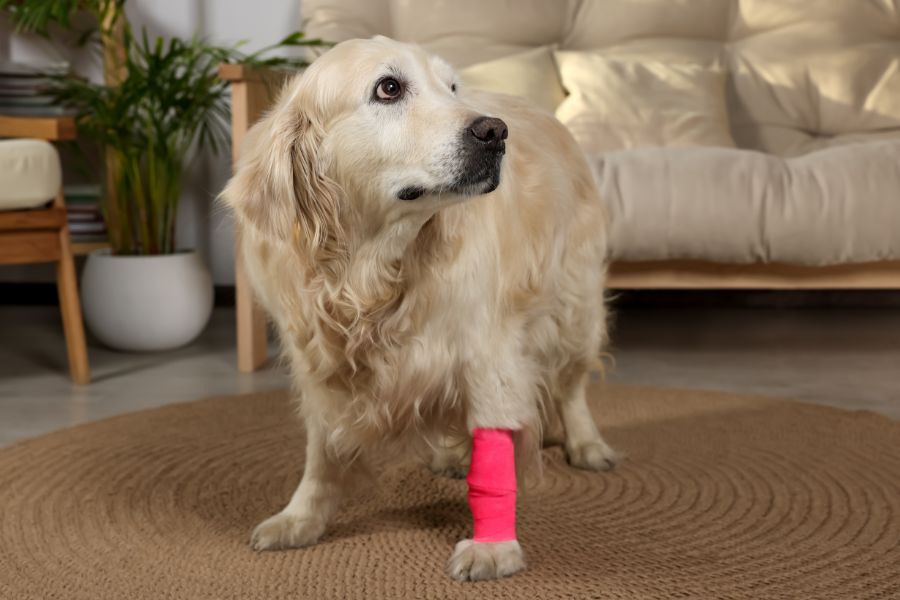
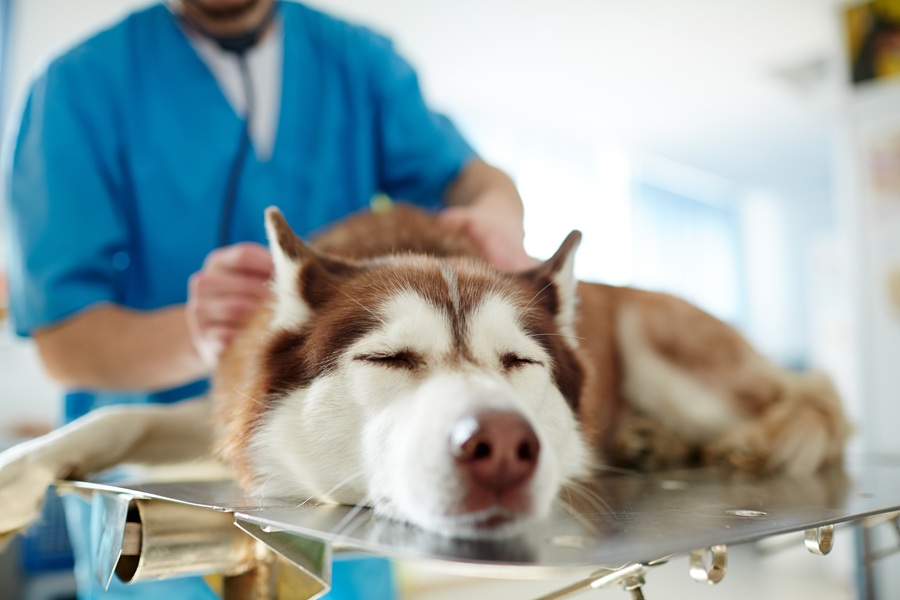
Schedule Your Pet’s Visit Today
Your pet’s health and happiness are our top priorities. Schedule an appointment today and experience compassionate, expert care tailored to your furry friend’s needs.