20305 Biscayne Blvd. Aventura, FL 33180

Orthopedic Surgery in Pets: What Pet Owners Should Know

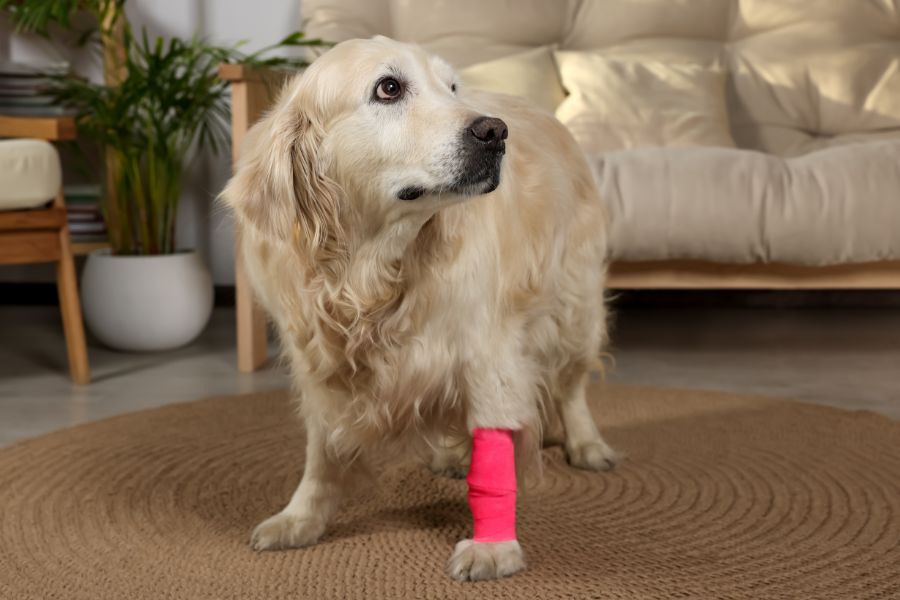
Watching your dog or cat struggle to walk is one of the hardest things a pet owner can face. Many pets living with joint pain, limb injuries, and mobility issues are completely treatable. Pet orthopedic surgery can restore your companion’s quality of life and get them back on their feet. Yet many pet owners delay care because they are unsure what the process entails. They worry about anesthesia risks, recovery time, or whether surgery is truly necessary. This guide will walk you through the most common orthopedic conditions in pets, what surgery involves, and how to support your pet through recovery. Understanding your options is the first step. The more informed you are, the better decisions you can make for your pet’s health and comfort.
What Is Pet Orthopedic Surgery?
Pet orthopedic surgery addresses problems with bones, joints, ligaments, and tendons. These are the structures that allow your pet to run, jump, and move comfortably. When any of these are injured or deteriorate over time, surgery is often the most effective solution.
Common conditions treated with orthopedic surgery include fractures, torn ligaments, joint dysplasia, and luxating patellas. According to the American Veterinary Medical Association (AVMA), musculoskeletal problems are among the most frequently diagnosed issues in dogs, particularly in larger breeds. Orthopedic conditions are also more common than many cat owners expect.
In our experience, pet owners are often surprised to learn that their pet has been compensating for pain for months before the issue becomes obvious. Animals are wired to hide discomfort. By the time a limp is visible, the underlying condition has often been developing for some time.
Signs Your Pet May Need Orthopedic Evaluation
Recognizing early warning signs of pet lameness gives your pet the best chance at a full recovery. Here are signs to watch for:
- Limping or favoring one leg: Your pet avoids putting weight on a limb, even after rest.
- Reluctance to jump or climb stairs: A pet that once leaped onto the couch now hesitates.
- Swelling around a joint: Visible or palpable swelling can signal injury or inflammation.
- Crying or whimpering when touched: Vocalizing during handling is a strong pain signal.
- Muscle loss in one limb: A leg that looks thinner than the others has likely been underused.
Pet owners often tell us they assumed their dog was “just getting older” when the real issue was a treatable orthopedic condition. If you notice any of these signs of pet lameness, contact your veterinarian right away. Early intervention leads to better outcomes and a smoother recovery.
Common Orthopedic Conditions We Treat
One of the most common orthopedic diagnoses in dogs is a torn cranial cruciate ligament (CCL) in the knee. This is similar to an ACL tear in humans. A torn ligament in dogs can occur suddenly during play or gradually through wear over time. Without surgical repair, the joint becomes unstable and develops painful arthritis.
Hip dysplasia is another common condition, especially in large breeds like German Shepherds, Labradors, and Golden Retrievers. The hip joint does not develop properly, leading to grinding, pain, and reduced mobility. Surgical options range from femoral head ostectomy to total hip replacement, depending on severity.
A torn ligament in dogs is also one of the leading reasons pets develop chronic arthritis if left untreated. Early surgical correction prevents long-term joint damage and reduces your pet’s pain significantly.
What to Expect During Surgery
We understand that the idea of surgery for your pet is stressful. Our team at Amor Animal Hospital walks every family through the process so there are no surprises. Here in Aventura, FL, our goal is to make the experience as smooth as possible for both you and your companion.
Here is what the orthopedic surgery process typically involves:
- Initial orthopedic exam: We evaluate your pet’s gait, joint range of motion, and pain response.
- Diagnostic imaging: X-rays or advanced imaging confirm the diagnosis and guide the surgical plan.
- Pre-surgical bloodwork: We check organ function to ensure your pet is a safe anesthesia candidate.
- Surgery day: Your pet is monitored throughout by our veterinary team with dedicated anesthesia support.
- Post-operative care: We provide detailed discharge instructions, pain management guidance, and a follow-up schedule.
- Rehabilitation support: We discuss physical therapy options to speed recovery and restore strength.
Veterinary surgical care at our hospital is built around transparency. We answer every question before your pet’s procedure so you feel confident in the plan.
Dog Joint Surgery Recovery: What to Expect at Home
Recovery is where pet owners play the biggest role. The weeks following surgery are critical to your pet’s long-term outcome. Dog joint surgery recovery typically takes 8 to 16 weeks, depending on the procedure and your pet’s age and health.
The AVHA (American Animal Hospital Association) emphasizes strict activity restriction in the early weeks after orthopedic surgery. This is not optional. Letting your dog run too soon can damage the repair and undo everything the surgery accomplished.
Here are key tips to support recovery at home:
- Restrict activity to leash walks only for the first several weeks
- Use ramps or pet steps to prevent jumping onto furniture
- Apply cold packs in the first 48 hours to reduce swelling
- Administer all prescribed medications on schedule
- Attend every scheduled recheck appointment without exception
We frequently remind our clients that dog joint surgery recovery is a team effort. Your consistency at home directly affects how well and how quickly your pet heals. In Florida’s warm climate, outdoor activity is tempting year-round, but keeping your pet calm during recovery is one of the most important things you can do.
Many pet owners mistakenly believe their pet is “fine” once the limping stops. In reality, internal healing continues long after outward signs of pain disappear. Rushing the recovery process is one of the most common mistakes we see, and it often leads to complications.
Veterinary orthopedic care does not end when your pet comes home. Follow-through on post-surgical care is what transforms a good surgery into a full recovery.
Conclusion
Your pet deserves to move freely and without pain. Orthopedic conditions are rarely resolved on their own, but with the right surgical care and dedicated recovery support, most pets return to a full and active life. If your dog or cat is showing signs of joint pain, limping, or reduced mobility, do not wait. The sooner the problem is diagnosed, the better the outcome. Pet orthopedic surgery has helped countless pets reclaim their quality of life, and it could do the same for yours. The team at Amor Animal Hospital is here to guide you through every step, from diagnosis to full recovery. Book an appointment today.
Frequently Asked Questions
How do I know if my pet needs orthopedic surgery?
Ans: If your pet is limping, reluctant to bear weight on a limb, or showing signs of joint pain that do not improve with rest, a veterinary orthopedic evaluation is the right next step. Imaging like X-rays, will help determine whether surgery is needed or whether other treatments may help.
Is pet orthopedic surgery safe?
Ans: Yes. When performed by an experienced veterinary team with proper pre-surgical screening and anesthesia monitoring, orthopedic surgery is a well-established and safe procedure. Pre-surgical bloodwork helps identify any risks before your pet goes under anesthesia.
How long does recovery take after orthopedic surgery?
Ans: Recovery time varies by procedure and the individual pet. Most dogs and cats require 8 to 16 weeks of restricted activity followed by a gradual return to normal movement. Your veterinarian will provide a specific timeline based on your pet’s surgery and healing progress.
What are the most common orthopedic surgeries in dogs?
Ans: The most common include cranial cruciate ligament (CCL) repair, femoral head ostectomy for hip dysplasia, patellar luxation correction, and fracture repair. The right procedure depends on the diagnosis, your pet’s size, age, and overall health.
Can cats have orthopedic surgery too?
Ans: Yes. Cats can develop fractures, joint problems, and ligament injuries just like dogs. Orthopedic surgery in cats follows similar principles, though cats often recover more quietly and may hide pain more effectively, which is why regular wellness exams are important.
Amor Animal Hospital
Schedule Your Pet’s Visit Today
Your pet’s health and happiness are our top priorities. Schedule an appointment today and experience compassionate, expert care tailored to your furry friend’s needs.