20305 Biscayne Blvd. Aventura, FL 33180

How to Manage Pain After Your Pet’s Surgery

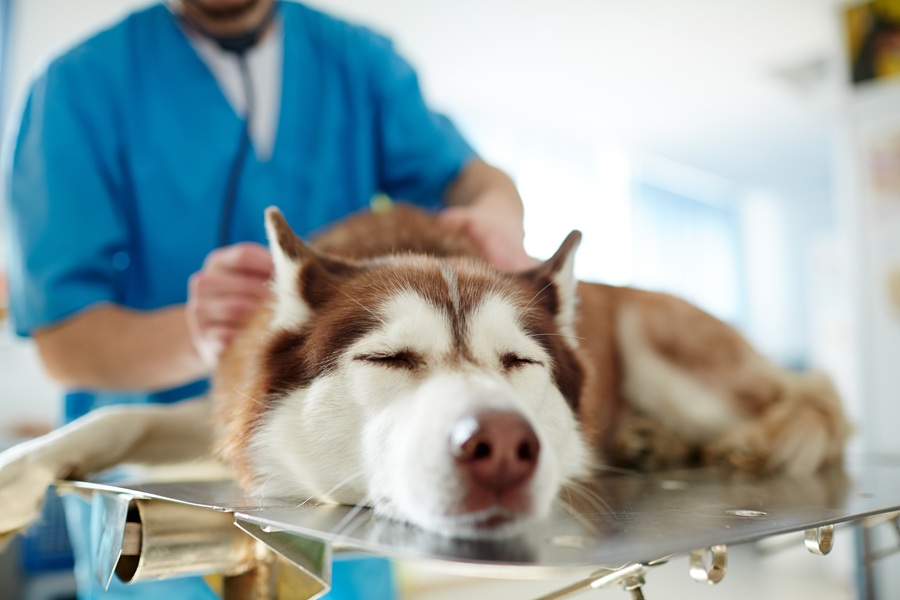
Surgery can be stressful not only for your pet but also for you as the pet parent. Whether it’s a routine procedure or a more complex operation, managing pain afterward is crucial for your furry friend’s comfort and recovery. By following the right steps and leaning on expert guidance, you can help your pet heal smoothly while keeping them calm and cared for. Trusted support from specialists in veterinary surgery in Aventura ensures that recovery is safe and as comfortable as possible.
Recognizing Pain in Pets: The First Step to Care
Pets can’t tell us when they hurt, but they show clear signals. After surgery, watch for these common signs:
- Loss of interest in food – A pet in pain may eat less than usual or completely ignore meals.
- Difficulty settling down – Instead of resting comfortably, your pet may pace, shift positions often, or struggle to sleep.
- Persistent attention to the wound – Licking, nibbling, or scratching at the incision area is a clear sign of discomfort.
- Changes in vocal behavior – Whines, soft cries, or unusual sounds can indicate that your pet is hurting.
- Hesitation with movement – If your furry friend avoids stairs, jumping, or even simple walking, it may be because activity feels painful.
By closely observing these behaviors, you can step in quickly to provide comfort and ensure their healing journey remains on track.
Medications: Relief the Right Way
Veterinarians prescribe pain relief medications specific to your pet’s needs. Do not administer human painkillers, as many are toxic to animals. Follow dosage instructions closely, and never skip or double-dose a medication. Trusted veterinary surgery in Aventura professionals provide tailored prescriptions and guide you through proper medication schedules for maximum safety.
Comfort at Home: Creating a Healing Space
Transitioning home requires a calm and safe environment. To make recovery easier:
- Provide a quiet, cozy resting spot away from noise and other pets.
- Use soft bedding and keep them warm but not overheated.
- Limit stairs and slippery surfaces to reduce stress on the surgical site.
- Offer water and food in shallow bowls so they don’t strain while eating.
This simple home setup helps your pet feel more secure and reduces unnecessary movement, supporting faster healing.
The Importance of Rest and Restricted Activity
It’s natural for pets to want to move around as they begin to feel better. However, too much activity can harm the healing incision. Short, supervised potty breaks are fine, but avoid running, jumping, or rough play. Your veterinarian may recommend a crate or playpen for rest periods, ensuring your pet relaxes while still feeling safe.
Wound Care: Preventing Complications Before They Start
Proper incision care plays a big role in pain management. Check the surgical site daily for redness, swelling, or discharge. Prevent your pet from licking or chewing the stitches—use an Elizabethan collar (cone) or a comfortable recovery suit if needed. If you notice unusual changes, reach out immediately to specialists in veterinary surgery in Aventura for advice.
Nutrition Boost: Fueling Recovery From the Inside
Good nutrition supports faster healing. Offer easily digestible, high-quality food, and follow any special diet instructions your vet provides. Fresh water should always be available. Sometimes pets may refuse to eat right after surgery—gently encouraging them and offering smaller, frequent meals can make a big difference.
Emotional Comfort: Your Love Matters
Physical recovery is important, but so is emotional comfort. A soothing voice, gentle petting, and being nearby can help reduce your pet’s stress and pain. Remember, your calm presence reassures them that everything is okay. This bond becomes one of the most powerful healing tools after any surgery.
FAQs About Managing Pain After Pet Surgery
1. How long will my pet be in pain after surgery?
Ans. The intensity of pain usually decreases within a few days. However, full recovery depends on the type of surgery. Your vet will provide a realistic timeline.
2. Can I give my pet over-the-counter painkillers?
Ans. No. Human medications can be toxic and even fatal to pets. Always use veterinarian-prescribed medicines.
3. How do I know if my pet’s pain medication is working?
Ans. If your pet eats, rests comfortably, and moves without distress, the medication is effective. If symptoms persist, contact your vet.
4. Should I keep my pet in a crate the whole time?
Ans. Not always. A crate may be useful for restricting activity, but your pet still needs supervised breaks to move gently, go outside, and stretch.
5. What if my pet refuses to eat after surgery?
Ans. A mild loss of appetite after surgery is normal. However, if your pet doesn’t eat for more than 24 hours, consult specialists in veterinary surgery in Aventura.
6. How do I handle my pet’s emotional stress after surgery?
Ans. Offer reassurance through gentle interaction, keep them close, and maintain a quiet and calm environment to reduce their anxiety.
Final Thoughts:
Managing post-surgery pain is about combining medical care, home comfort, and emotional support. By paying attention to your pet’s behavior, following prescribed treatments, and creating a soothing environment, you can make their recovery smoother and less stressful.
Most importantly, rely on the expertise of specialists in veterinary surgery in Aventura who can guide you every step of the way. After all, your furry friend deserves the best chance at healing quickly and returning to happy, tail-wagging days.
Amor Animal Hospital
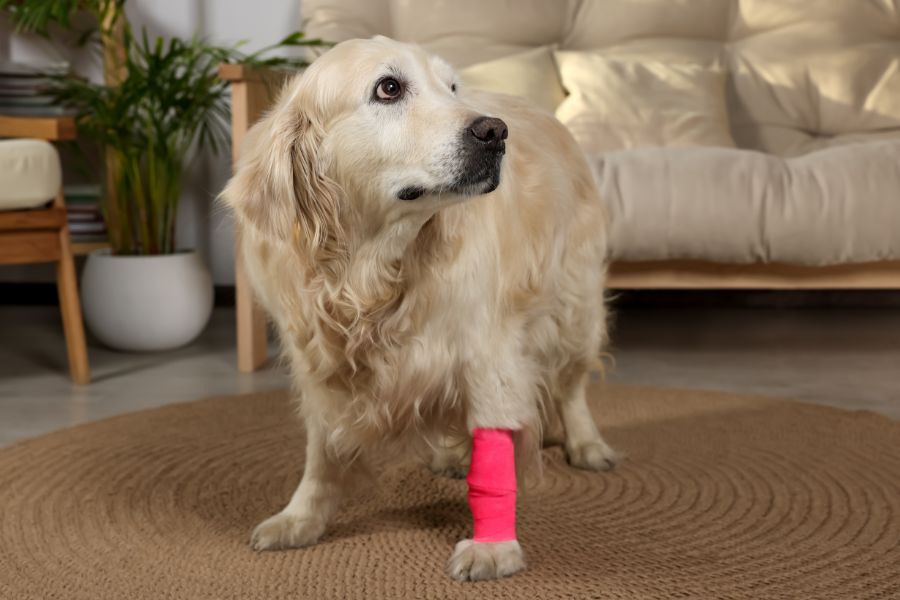
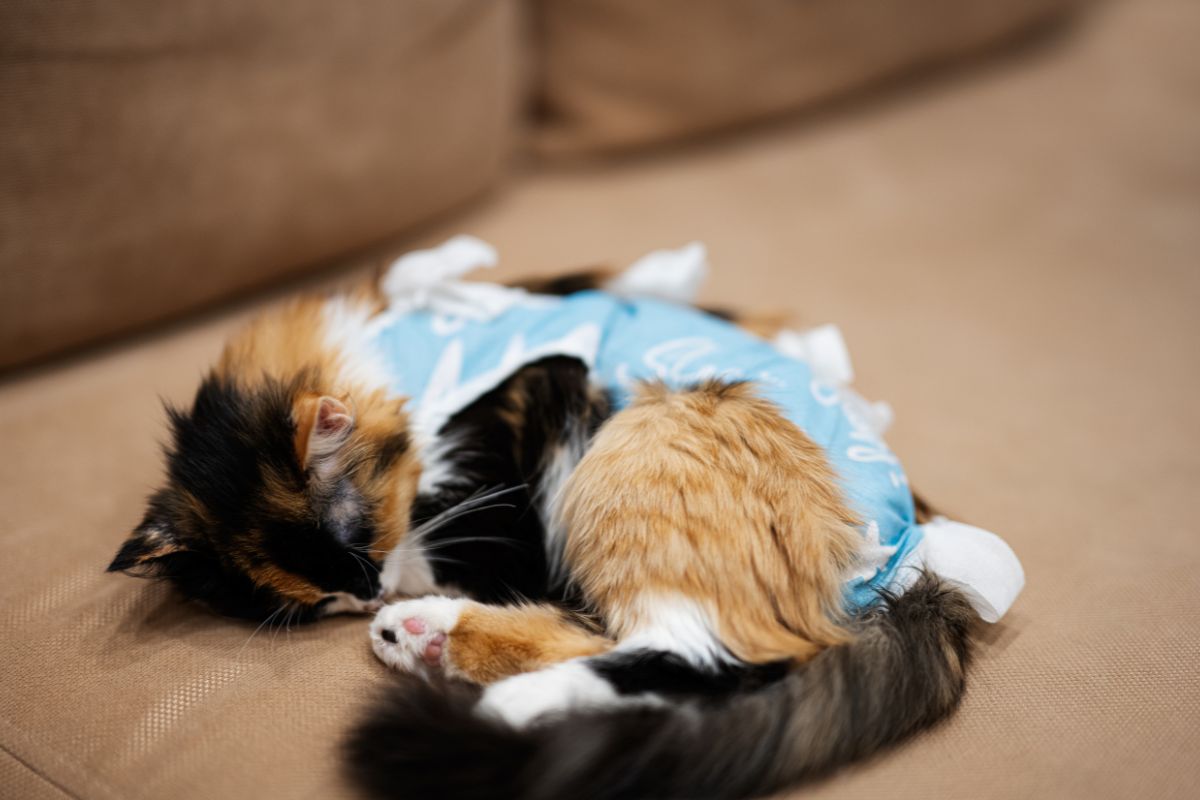
Schedule Your Pet’s Visit Today
Your pet’s health and happiness are our top priorities. Schedule an appointment today and experience compassionate, expert care tailored to your furry friend’s needs.