20305 Biscayne Blvd. Aventura, FL 33180

Signs of Food Poisoning in Cats: What Every Pet Owner Should Know

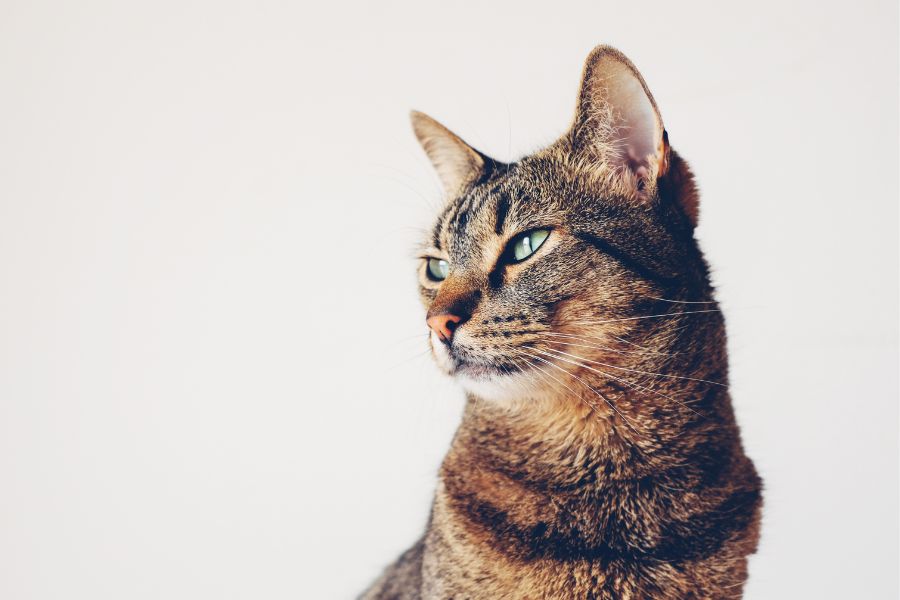
Your cat jumps off the counter, and you notice she has knocked over a plate of food. An hour later, she is hiding under the bed and refusing to move. If this scenario sounds familiar, food poisoning in cats may be what you are dealing with. Cats are curious animals, and they do not always make safe choices about what they eat. Some human foods, household scraps, and spoiled items can trigger a serious toxic reaction quickly. The good news is that recognizing the signs early gives your cat the best chance of a full recovery. This article walks you through the symptoms to watch for, what causes them, how vets diagnose and treat the condition, and what you can do to keep your cat safe going forward.
Understanding Food Poisoning in Cats
Food poisoning in cats happens when a cat ingests something that irritates or damages the digestive tract, liver, kidneys, or nervous system. It is not always caused by spoiled food. Some of the most dangerous triggers are everyday items found in most kitchens.
Cats are obligate carnivores, which means their digestive systems are built differently than ours. Foods that are perfectly safe for humans can be highly toxic to cats. Pet owners are often surprised to learn that a small amount of a seemingly harmless food can cause a significant reaction in a cat.
Toxic ingestion is one of the more common reasons cats are brought in for urgent veterinary attention. While some cases are mild and resolve quickly with supportive care, others can become life-threatening within hours if left untreated.
What Are the Signs of Food Poisoning in Cats?
Food poisoning in cats typically produces visible symptoms within one to six hours of ingestion, though some toxins take longer to show effects. The most common signs include:
- Vomiting: Often the first signal that something is wrong. Repeated vomiting after eating is never normal in cats and should be taken seriously.
- Diarrhea: Loose, watery, or bloody stools indicate the digestive tract is in distress.
- Lethargy and weakness: A cat that suddenly becomes quiet, refuses to move, or cannot hold its head up needs prompt veterinary attention.
- Drooling excessively: Unusual salivation often signals nausea or irritation of the mouth and esophagus.
- Loss of appetite: A cat that walks away from food it normally loves may be feeling too sick to eat.
- Tremors or seizures: These indicate the toxin has reached the nervous system and require immediate veterinary care.
- Pale or yellow gums: Discoloration of the gums points to serious internal problems, including liver involvement.
If you notice any of these signs, contact your veterinarian promptly. Vomiting and lethargy together, especially in a cat that may have eaten something unusual, are reason enough to call the clinic right away.
In our experience, pet owners often wait to see if their cat “bounces back” on its own. With toxic ingestion, waiting is rarely safe. The sooner a vet evaluates the cat, the more treatment options are available.
Common Causes and What to Watch Out For
Knowing which foods and substances trigger toxic reactions helps you protect your cat before an incident occurs. Many of the most dangerous items are things most households keep on hand.
Toxic foods for cats include:
- Onions, garlic, and chives (damage red blood cells)
- Grapes and raisins (can cause kidney failure)
- Chocolate and caffeine (affect the heart and nervous system)
- Xylitol, an artificial sweetener found in sugar-free gum and baked goods
- Raw dough containing yeast (expands in the stomach)
- Alcohol in any amount
- Cooked bones and high-fat table scraps (cause gastrointestinal upset and pancreatitis)
Spoiled food is also a real risk, particularly for cats that get into trash cans or are fed leftover scraps. Bacteria such as Salmonella can cause serious illness even in otherwise healthy cats.
When a cat ate something toxic, pet owners often do not realize the danger until symptoms appear. Many toxic foods do not cause an instant reaction. This delay is what makes early recognition so important.
In Florida’s warm climate, outdoor cats face additional risks. Certain tropical plants and insects can also trigger toxic reactions, and high temperatures can cause food left outdoors to spoil faster than in cooler states.
How Vets Diagnose and Treat Food Poisoning
When you bring your cat in for a potential toxic ingestion, the veterinarian will start with a thorough physical exam and a review of what your cat may have eaten. Bring any packaging, leftovers, or details about the substance if you have them. That information can significantly speed up diagnosis.
Depending on the signs, your vet may recommend:
- Blood work and urinalysis to check organ function and look for signs of systemic toxicity
- X-rays or ultrasound if there is concern about a foreign body or internal swelling
- Induced vomiting in specific cases where ingestion was very recent, and the toxin is safe to bring back up
- IV fluids to support kidney function and correct dehydration
- Activated charcoal in certain cases to limit the absorption of the toxin
- Medications to control nausea, protect the stomach lining, or address organ-specific damage
Pet owners often ask us whether they should try to induce vomiting at home. The answer is no. Some substances cause more damage coming back up, and the process requires veterinary supervision to be done safely. Always call your vet first.
Many cats recover fully with prompt treatment. Recovery time depends on what the cat ingested, how much, and how quickly care was received. Cats treated within the first few hours typically have the best outcomes.
Cat Hospital at Amor dedicated feline specialty clinic and a proud branch of Amor Animal Hospital, built exclusively for cats. Our team is experienced in managing toxic ingestion and a full range of feline health concerns. We know that cats have unique physiology, and we tailor every exam, diagnosis, and treatment plan specifically to them.
Prevention and Home Care Tips
Preventing food poisoning starts with controlling what your cat has access to. A few consistent habits make a real difference.
- Keep human food off the floor and counters after meals. Cats are skilled climbers and opportunistic eaters.
- Secure your trash can with a lid that latches. Spoiled food in the trash is a common source of toxic ingestion for indoor cats.
- Check ingredient labels before giving your cat any treat or supplement not specifically formulated for felines.
- Never share table scraps even if your cat begs. Many safe-seeming foods fall into the toxic category for cats.
- Know the signs of cat poisoning so you can act quickly. Keep your vet’s number saved in your phone.
A common misconception among cat owners is that cats are smart enough to avoid things that are bad for them. Cats rely on instinct, not nutritional reasoning. They will eat something harmful if it smells appealing, especially if they are hungry or curious.
A routine cat diagnostic checkup is also a smart preventive step. Regular bloodwork gives your vet a baseline for your cat’s organ function, which makes it much easier to spot abnormalities quickly if a toxic ingestion ever occurs.
If you ever suspect your cat has eaten something toxic, do not wait for symptoms to worsen. Signs of cat poisoning can escalate rapidly, and earlier intervention consistently leads to better outcomes.
Conclusion
Recognizing the signs of food poisoning in cats early can mean the difference between a quick recovery and a serious health crisis. Vomiting, lethargy, drooling, and changes in gum color are all red flags that something is wrong. Understanding which toxic foods for cats pose the greatest risk in your home helps you create a safer environment before an incident occurs. Most importantly, trust your instincts as a pet owner. If your cat does not seem right after eating something unfamiliar, reach out to your veterinarian the same day. The team at Cat Hospital at Amor is here to help with expert, cat-only care every step of the way. Book an appointment today.
Frequently Asked Questions
Q: What are the first signs of food poisoning in cats?
Ans: The earliest signs are usually vomiting, drooling, and lethargy appearing within one to six hours of ingestion. Some toxins take longer to produce symptoms, so monitor your cat closely for 24 hours after any suspected toxic exposure.
Q: What foods are most toxic to cats?
Ans: Onions, garlic, grapes, raisins, chocolate, caffeine, xylitol, and raw yeast dough are among the most dangerous foods for cats. Even small amounts of these can trigger serious reactions.
Q: Can cats recover from food poisoning on their own?
Ans: Mild cases with minimal symptoms sometimes resolve, but many toxic ingestions require veterinary treatment to prevent organ damage. It is always safer to contact your vet rather than wait to see if your cat improves.
Q: Should I try to make my cat vomit at home if I think she ate something toxic?
Ans: No. Inducing vomiting at home is not safe for cats and can worsen certain types of poisoning. Contact your veterinarian immediately and follow their specific guidance.
Q: How long does it take for a cat to show signs of poisoning?
Ans: It depends on the substance. Some toxins cause symptoms within 30 minutes, while others, such as those affecting the kidneys, may not produce visible signs for 24 to 72 hours. When in doubt, contact your vet right away.
Amor Animal Hospital


Schedule Your Pet’s Visit Today
Your pet’s health and happiness are our top priorities. Schedule an appointment today and experience compassionate, expert care tailored to your furry friend’s needs.