20305 Biscayne Blvd. Aventura, FL 33180

What Happens During a Pet Wellness Exam and Why It Matters

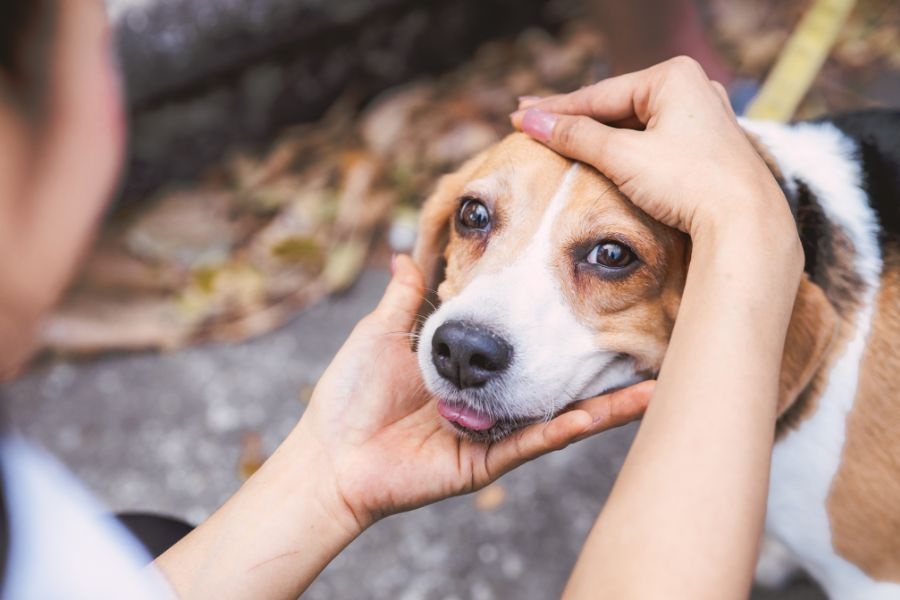
Your pet cannot tell you when something feels off. That is one of the hardest parts of being a pet owner. A pet wellness exam is the single most reliable tool veterinarians have to catch health problems before your pet ever shows a symptom. These visits are not just routine check-ins. They are comprehensive, nose-to-tail evaluations designed to build a clear picture of your pet’s health over time. Many conditions, including early-stage kidney disease, dental infections, and heart murmurs, are silent until they are serious. A wellness visit gives your vet the chance to find those problems early, when treatment options are broader and outcomes are better. Whether you have a puppy, a senior dog, or a middle-aged cat, this guide explains exactly what happens during a wellness visit and why skipping one could cost your pet far more than a missed appointment.
What Happens During a Pet Wellness Exam?
A pet wellness exam is a full physical evaluation performed by a licensed veterinarian. The vet checks your pet from head to tail, assessing eyes, ears, teeth, skin, coat, lymph nodes, heart, lungs, and abdomen. Depending on your pet’s age and health history, bloodwork, urinalysis, and parasite screening may also be included.
Most visits take between 30 and 45 minutes. The goal is not just to treat illness but to establish what “normal” looks like for your individual pet, so that any future changes are easier to detect and address.
Why Routine Pet Care Is More Important Than Most Owners Realize
Many pet owners believe a wellness visit is only necessary when something is visibly wrong. In our experience, by the time a problem is visible, it has often been developing for months.
The American Animal Hospital Association (AAHA) recommends annual wellness exams for adult pets and twice-yearly visits for senior animals. Pets age faster than humans, and a single year in a dog or cat’s life can bring meaningful physical changes that a routine pet physical exam is designed to catch.
Studies suggest that dental disease affects an estimated 80 percent of dogs over the age of three and a similar proportion of cats. Most of those cases start silently. Tartar buildup, gum recession, and tooth root infections are frequently found during wellness exams in pets whose owners had no idea there was a problem.
Annual vet checkup tips from veterinary professionals consistently point to the same conclusion: pets seen regularly live longer, healthier lives. Prevention costs far less, in time and stress, than treating advanced illness.
What the Physical Exam Actually Covers
A thorough wellness exam follows a structured head-to-tail approach. Here is what your vet evaluates at each visit:
- Weight and body condition score: Obesity is one of the most common and preventable health problems in pets. Your vet will assess muscle mass and fat distribution, not just the number on the scale.
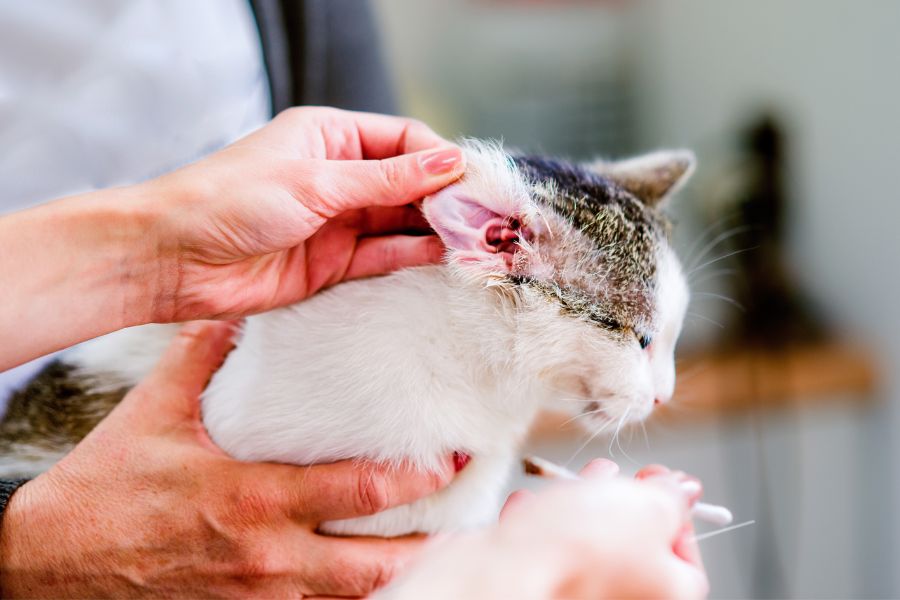
- Eyes and ears: Redness, discharge, cloudiness, or unusual odor can signal infection, allergies, or early-stage disease.
- Teeth and gums: Your vet checks for tartar buildup, gum inflammation, loose teeth, and signs of oral pain.
- Heart and lungs: A stethoscope exam can detect murmurs, irregular rhythms, and abnormal breath sounds.
- Abdomen: The vet uses gentle palpation to feel for organ size, masses, or discomfort.
- Skin and coat: Dryness, hair loss, lumps, or lesions can indicate allergies, hormonal imbalance, or skin disease.
- Lymph nodes and joints: Swollen lymph nodes or joint stiffness may be early signs of infection or arthritis.
- Neurological observations: Your vet watches how your pet moves, responds, and behaves throughout the exam.
Labwork, fecal testing, and heartworm screening are often added depending on your pet’s age, lifestyle, and risk factors.
Signs Your Pet Needs a Vet Visit Sooner Than Scheduled
Wellness exams are proactive. But certain signs that your pet needs vet attention require action between annual visits.
- Drinking or urinating more than usual: This can point to diabetes, kidney disease, or Addison’s disease, all of which progress quickly without treatment.
- Unexplained weight loss or gain: Rapid changes in body weight are almost never normal.
- Changes in energy or appetite: A dog that stops running to the food bowl or a cat that hides more often is telling you something.
- Lumps, bumps, or new skin changes: Not every growth is malignant, but every growth should be evaluated.
- Bad breath or difficulty chewing: These are common early signs of dental disease that owners often dismiss as normal aging.
Pet owners often tell us they assumed their pet was “just getting older” when the real cause was a treatable condition. Waiting costs time and, in many cases, your pet’s comfort.
How Florida’s Climate Affects What Your Pet Needs Year-Round
South Florida’s heat and humidity create year-round risks that pet owners in cooler states do not face with the same frequency. Heartworm disease, transmitted by mosquitoes, is a persistent threat in Aventura and throughout Miami-Dade County because mosquito season never fully ends here.
Fleas and ticks thrive in warm, humid environments. In Florida, we see flea infestations and tick-borne illnesses in pets throughout the entire year, not just in summer. Your vet will use your pet’s wellness visit to assess current parasite prevention and make adjustments based on your pet’s actual lifestyle and exposure level.
A pet preventive care visit in this region should include a current heartworm test, flea and tick prevention review, and a seasonal allergy assessment. Environmental allergens, including mold spores, grass pollens, and dust mites, are elevated in South Florida and frequently responsible for chronic ear infections and skin irritation that pet owners mistake for other conditions.
We frequently remind our clients that annual vet checkup tips from northern states do not always apply here. A once-a-year parasite prevention conversation is not enough in this climate. Your vet should revisit that plan at every visit.
At Amor Animal Hospital, our team develops prevention protocols tailored to Aventura’s specific environment, your pet’s breed, age, and outdoor exposure.
How to Get the Most Out of Every Wellness Visit
Coming prepared makes every appointment more productive. Here are a few practical steps:
- Bring a stool sample from the past 24 hours for fecal parasite testing.
- Write down any changes you have noticed, even small ones, in appetite, behavior, sleep, or elimination habits.
- Know your pet’s current medications, supplements, and flea prevention products.
- Ask your vet to walk you through the exam findings in plain language before you leave.
- Confirm when your pet is due for vaccines and whether any boosters are needed.
A sign your pet needs a vet evaluation is not always obvious. That is exactly why documenting small changes and bringing them to your vet matters. Vets can only act on what they know.
Conclusion
A routine pet physical exam is one of the most important investments you will make in your pet’s life. It catches what you cannot see, confirms what is working, and creates a health record that guides every future decision. The earlier a problem is found, the more options your vet has, and the better your pet’s outcome will typically be. Do not wait for symptoms. A pet wellness exam scheduled before anything feels wrong is the whole point. Trust the process. Your pet depends on it. Book your next visit with Amor Animal Hospital and give your pet the care they deserve. Book an appointment today.
Frequently Asked Questions
Q: How often should my pet have a wellness exam?
Ans: Most adult dogs and cats should have a wellness exam once a year. Senior pets, generally those seven years and older, benefit from twice-yearly visits because age-related changes can develop quickly. Your vet will recommend a schedule based on your pet’s age, breed, and health history.
Q: What should I bring to my pet’s wellness appointment?
Ans: Bring a fresh stool sample, a list of your pet’s current medications or supplements, and notes about any behavioral or physical changes you have noticed. If your pet has visited another clinic recently, bringing those records helps your vet get a complete picture.
Q: Is a wellness exam the same as a sick visit?
Ans: No. A wellness exam is a proactive health evaluation for a pet that appears healthy. A sick visit addresses a specific complaint, symptom, or concern. Both are important, but they serve different purposes.
Q: Do indoor pets still need annual wellness exams?
Ans: Yes. Indoor pets are still at risk for dental disease, obesity, parasites brought in on clothing or shoes, and age-related conditions. A wellness exam catches these issues regardless of your pet’s lifestyle.
Q: What vaccines are typically reviewed during a wellness visit?
Ans: Your vet will review your pet’s vaccination history and recommend any boosters based on age, lifestyle, and local disease risk. Core vaccines for dogs typically include rabies and distemper combination vaccines. Core vaccines for cats include rabies and FVRCP. Your vet will advise on any non-core vaccines based on your pet’s specific exposure risks.
Amor Animal Hospital


Schedule Your Pet’s Visit Today
Your pet’s health and happiness are our top priorities. Schedule an appointment today and experience compassionate, expert care tailored to your furry friend’s needs.