20305 Biscayne Blvd. Aventura, FL 33180

Early Warning Signs of Cancer in Cats That Pet Owners Often Miss

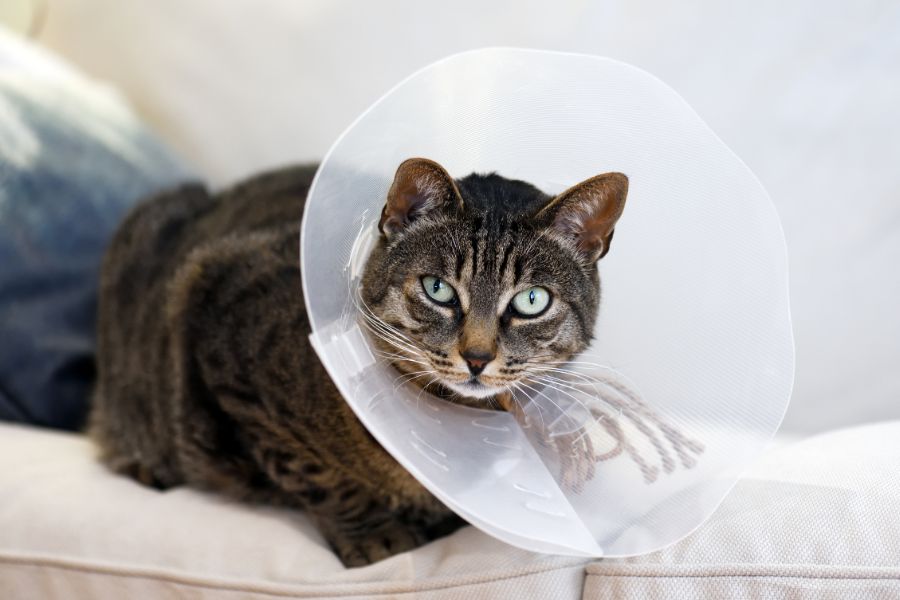
Your cat seems a little off lately. Maybe she is eating less than usual. Maybe she sleeps in a different spot or grooms herself less. Most pet owners brush these changes off as aging or stress. But sometimes, these quiet shifts are the early signs of cancer in cats, and catching them early can change everything. Cancer is one of the leading causes of death in cats over the age of ten. The earlier it is found, the more treatment options your cat will have. In South Florida, we see many cat owners who wait too long because they do not know what to look for. This article walks you through the most commonly missed warning signs, so you can act before symptoms become serious. If something feels wrong, trust your instincts and call your vet.
Understanding Cancer in Cats
Cancer in cats develops when cells grow abnormally and out of control. It can affect almost any organ or tissue in the body, including the skin, intestines, lymph nodes, and blood. Feline cancer is more common than most pet owners realize. Estimates suggest that cancer affects roughly one in five cats during their lifetime, making it one of the most important health threats for the species.
Many types of feline cancer grow slowly at first. This is what makes early detection so difficult. By the time obvious symptoms appear, the disease may already be in a more advanced stage. Understanding what subtle changes to watch for gives your cat the best chance at early diagnosis and effective treatment.
Cancer affects cats of all breeds and backgrounds, though older cats and certain purebreds carry a higher risk. Regular wellness exams are one of the most powerful tools available for early detection.
Cat Cancer Warning Signs Most Owners Overlook
What are the early warning signs of cancer in cats? The most important ones are changes that seem minor but persist for more than a week or two. These include unexplained weight loss, changes in appetite, new lumps, and shifts in behavior.
Here are the cat cancer warning signs that are most commonly missed:
- Unexplained weight loss. If your cat is losing weight without a change in diet or activity, this is always worth investigating. Even a half-pound loss in a small cat is significant.
- Decreased appetite. A cat who suddenly eats less or refuses favorite foods may be experiencing nausea, mouth pain, or internal discomfort caused by a growing mass.
- Lethargy or low energy. Every cat has lazy days. But if your cat consistently avoids play, stops jumping, or seems exhausted, that is a red flag.
- Changes in grooming habits. Cats are meticulous groomers. A cat that stops grooming or grooms excessively in one area may be reacting to pain or a skin abnormality.
- Swollen abdomen. A belly that looks or feels distended can signal fluid buildup related to certain cancers, including lymphoma.
- New or changing lumps. Any new bump on the skin or under it deserves a vet visit. Not all lumps are cancer, but all new lumps need to be evaluated.
If you notice any of these signs, contact your veterinarian promptly.
Cancer Symptoms in Cats That Are Easy to Miss
Some cancer symptoms in cats are so subtle that they get mistaken for normal aging or minor illness. Pet owners often tell us they noticed something felt off weeks before they came in, but assumed it would pass.
Difficulty breathing is one example. Labored breathing or an unusual cough in a cat is not normal and can indicate a mass near the lungs or chest cavity. Changes in bathroom habits are another easy-to-miss sign. A cat who suddenly has trouble urinating, strains to defecate, or has blood in the stool or urine needs to be seen immediately.
Mouth odor or drooling can also be a warning. Oral tumors are surprisingly common in cats and are often misread as dental disease. Persistent bad breath, difficulty chewing, or dropping food while eating all point to something that needs professional evaluation.
In our experience, cats are masters at hiding discomfort. By the time they show obvious signs of pain, the underlying problem has often been building for some time.
Feline Cancer Detection Tips: What to Do at Home
Early detection starts at home between veterinary visits. These feline cancer detection tips can help you catch problems before they progress.
- Do a monthly at-home body check. Run your hands gently along your cat’s body, feeling for any new lumps, swellings, or tender areas.
- Watch for changes in litter box habits. Keep an eye on how often your cat eliminates and whether the output looks normal.
- Track their weight. Weigh your cat once a month if possible. A food scale works fine for most cats.
- Note any behavioral shifts. Keep a simple note on your phone when something seems different. A pattern matters more than a single odd moment.
- Schedule regular wellness exams. The American Veterinary Medical Association (AVMA) recommends annual checkups for adult cats and twice-yearly visits for senior cats.
Many pet owners assume that if their cat is eating and moving, everything is fine. In reality, a cat can eat normally for weeks while a tumor quietly grows. Routine exams give your vet a chance to find what you cannot see or feel.
Cat Health Changes to Watch as Your Cat Ages
Senior cats, typically those over age ten, carry a higher risk of cancer. The cat health changes to watch in older cats include subtle shifts that often get blamed on “just getting older.” Weight loss, muscle wasting, increased vocalization, and changes in sleep patterns are all worth mentioning to your vet.
In Florida’s warm, humid climate, cats that spend any time outdoors face additional risks. Sun exposure can contribute to squamous cell carcinoma, particularly on light-colored ears and noses. Indoor cats are not risk-free either. Secondhand smoke and certain household chemicals have been linked to higher rates of lymphoma in cats.
Correcting a common misconception: Many cat owners believe lumps are only dangerous if they are hard. This is not accurate. Soft, movable lumps can be just as serious as firm ones. Every new lump should be evaluated, not watched and waited.
The good news is that some feline cancers respond well to treatment when caught early. Surgery, chemotherapy, radiation, and palliative care options have all improved significantly in recent years.
Conclusion
Cats cannot tell you when something feels wrong. That makes your attention their most important health tool. Learning the early signs of cancer in cats helps you act quickly, before small symptoms become serious problems. Monthly home checks, awareness of behavior changes, and regular veterinary exams are the three most reliable ways to protect your cat. Do not wait for obvious pain or dramatic symptoms before calling your vet. The sooner a concern is investigated, the more options you will have. At Amor Animal Hospital in Aventura, our team is here to support your cat through every stage of life with compassionate, thorough care. Book an appointment today.
Frequently Asked Questions
At what age do cats typically develop cancer?
Ans: Cancer can develop in cats of any age, but it becomes significantly more common in cats over ten years old. Senior cats should receive wellness exams at least twice a year so any changes can be caught and evaluated early.
Can indoor cats get cancer?
Ans: Yes. Indoor cats are not protected from cancer. In fact, certain household factors, including secondhand smoke and some chemical cleaners, have been associated with higher rates of lymphoma in indoor cats. Regular checkups are just as important for cats that never go outside.
How is cancer in cats diagnosed?
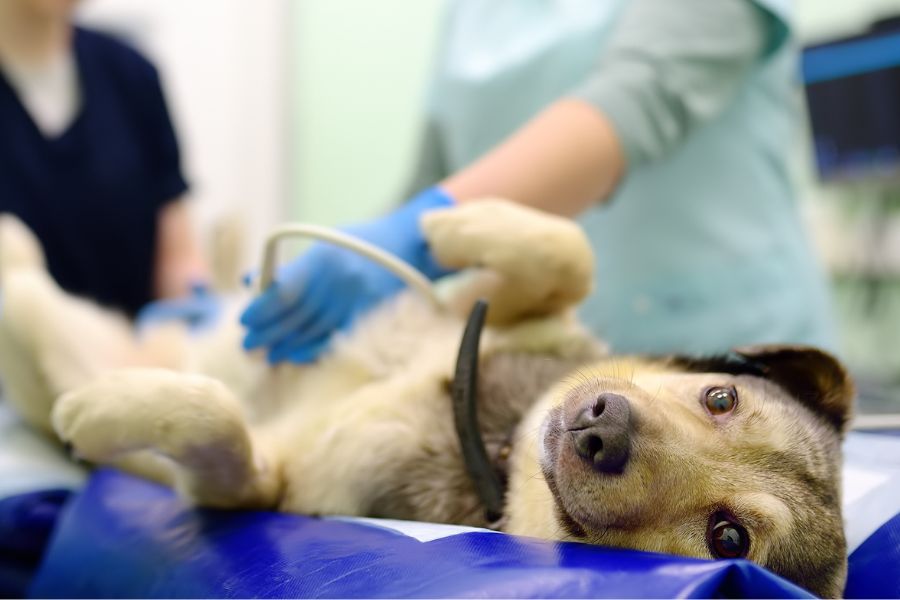
Ans: Your vet will typically start with a physical exam, followed by blood work, imaging such as X-rays or ultrasound, and possibly a fine-needle aspirate or biopsy of any suspicious mass. These steps help determine whether a lump or symptom is cancerous and what type of cancer is present.
Is cancer in cats treatable?
Ans: Many feline cancers are treatable, especially when caught early. Treatment options include surgery to remove tumors, chemotherapy, radiation therapy, and palliative care to manage symptoms and maintain quality of life. Your vet will discuss the best approach based on the type and stage of cancer.
How often should I take my senior cat to the vet?
Ans: The American Veterinary Medical Association (AVMA) recommends that cats over age ten visit the vet at least twice a year. Senior wellness exams include a full physical, blood panel, and organ function screening that can detect problems, including early-stage cancer, before symptoms appear.
Amor Animal Hospital

Schedule Your Pet’s Visit Today
Your pet’s health and happiness are our top priorities. Schedule an appointment today and experience compassionate, expert care tailored to your furry friend’s needs.