20305 Biscayne Blvd. Aventura, FL 33180

Early Signs of Cancer in Dogs: Top Silent Symptoms You Shouldn’t Ignore

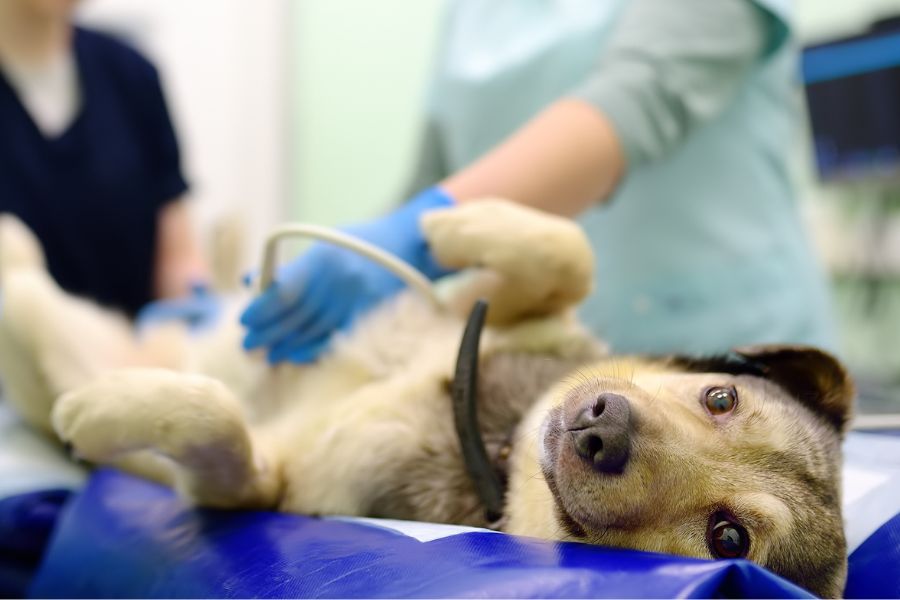
Cancer in dogs often develops quietly, making early detection essential for successful treatment. Understanding the early signs of cancer in dogs helps pet owners act quickly and protect their pet’s long-term health. In this guide, we break down the most common silent dog cancer symptoms, early behavior changes, and preventive steps to keep your dog healthier for longer. Whether you’re watching for lumps, appetite shifts, or subtle dog health warning signs, this article will help you recognize what matters most.
Why Early Cancer Detection in Dogs Matters
Cancer is one of the leading health concerns in aging dogs. While not all symptoms are obvious, catching issues early can make a major difference in treatment success and life expectancy. Early identification also makes Veterinary Cancer Care more effective, often reducing the need for aggressive interventions.
Dogs rarely show discomfort until a disease progresses, which is why owners must look for subtle clues. Spotting unusual behavior, changes in appetite, or minor physical abnormalities could help detect cancer months earlier.
Common Early Signs of Cancer in Dogs
Recognizing the first warning signs gives your dog the best chance for prompt diagnosis and care. Below are the most common symptoms veterinarians see in early-stage cancer cases.
1. Unexplained Weight Loss or Loss of Appetite
Sudden weight loss without dietary changes is one of the top signs of dog cancer. Dogs may start skipping meals, eating less, or refusing treats they normally love. This symptom often appears early, especially with digestive or metabolic cancers.
2. Lumps, Bumps, or Swellings That Don’t Go Away
Not all lumps are dangerous, but any bump that grows, changes shape, or persists beyond a few weeks should be examined.
Key warning signs include:
- A firm, painless lump
- Rapid growth
- Changes in texture
- Ulcerated or bleeding skin above the mass
This is one of the most well-known early signs of cancer in dogs, so regular body checks are essential.
3. Persistent Fatigue or Low Energy
If your dog is slowing down without explanation, cancer could be the underlying cause. A normally energetic dog becoming sluggish, unwilling to play, or sleeping much more than usual may be experiencing internal changes.
4. Sudden Behavior Changes
Dog behavior changes often show up before physical symptoms. These silent clues may indicate pain, discomfort, or internal tumors. Watch for:
- Irritability or aggression
- Withdrawal or hiding
- Anxiety or restlessness
- Reduced interest in activities
Any sudden shift that lasts more than a few days warrants a veterinary check.
5. Chronic Vomiting, Diarrhea, or Digestive Issues
Cancers affecting the stomach, intestines, or liver can cause ongoing digestive problems. Symptoms may include:
- Intermittent vomiting
- Chronic diarrhea
- Difficulty swallowing
- Visible abdominal swelling
If gastrointestinal issues persist despite dietary adjustments, further testing is recommended.
6. Increased Thirst and More Frequent Urination
Changes in drinking and bathroom habits can signal cancers affecting the kidneys, bladder, or endocrine system. Dogs may begin drinking water excessively or needing to urinate more often—sometimes even indoors.
7. Persistent Coughing or Breathing Problems
A chronic cough or difficulty breathing could indicate lung tumors or cancers spreading from other areas of the body. Even if your dog has no known respiratory issues, a lingering cough should not be ignored.
8. Wounds That Won’t Heal
Non-healing sores or recurring skin infections may indicate skin cancer or compromised immune function. A biopsy can help identify abnormalities early.
Subtle Dog Health Warning Signs Most Owners Miss
Some symptoms are so mild that pet parents may overlook them. These subtle hints can still be significant:
- Mild but constant limping
- Bad breath that returns quickly after cleaning
- One pupil larger than the other
- Occasional nosebleeds
- Visible discomfort when being touched
While these don’t always mean cancer, they should not be ignored.
What Causes Cancer in Dogs? Understanding the Risk Factors
There isn’t one single cause, but several risk factors increase a dog’s likelihood of developing cancer:
- Age — Senior dogs are more prone to cellular changes.
- Breed — Golden Retrievers, Boxers, Rottweilers, and Bernese Mountain Dogs have higher cancer rates.
- Genetics — Some conditions pass through family lines.
- Environmental Exposure — Chemicals, secondhand smoke, and UV radiation.
- Hormonal Factors — Certain cancers are linked to reproductive hormones.
Understanding risks helps you focus on preventive care and early detection.
How Vets Diagnose Early Cancer in Dogs
Veterinarians use a combination of tests to detect cancer early and accurately. These may include:
Physical Examination
A full body check helps spot unusual masses, swelling, or pain.
Imaging
- X-rays
- Ultrasounds
- CT scans and MRI (advanced cases)
These tools show what’s happening inside the body.
Laboratory Testing
Bloodwork and urine tests can reveal abnormal organ function or elevated markers.
Biopsies and Tissue Sampling
The most accurate way to confirm cancer and determine its type.
Preventing Cancer in Dogs: Practical Steps for Pet Parents
Reducing cancer risks starts with consistent preventive health habits. While not all cancers can be avoided, you can significantly improve your dog’s chances of staying healthy.
1. Schedule Regular Wellness Exams
Routine checkups allow vets to identify changes early. Senior dogs may need biannual visits for closer monitoring.
2. Provide a Nutrient-Dense Diet
Choose high-quality food rich in antioxidants, omega-3 fatty acids, and lean proteins. A balanced diet supports overall immunity.
3. Maintain a Healthy Weight
Obesity is linked to inflammation and cancer progression. Keep your dog active and monitor calorie intake.
4. Limit Chemical Exposure
Avoid exposure to pesticides, smoke, harsh cleaners, or lawn treatments that may increase cancer risk.
5. Monitor Your Dog’s Behavior and Body Monthly
A quick monthly body scan and behavioral awareness help detect changes early.
6. Spay or Neuter at the Right Time
This reduces the risk of certain reproductive cancers.
Conclusion:
Early cancer detection can save your dog’s life. By watching for behavior shifts, appetite changes, unexplained lumps, and other subtle dog cancer symptoms, you can ensure faster diagnosis and better treatment outcomes.
Suppose you are conveniently located in Aventura, FL, and searching for the best Veterinary Cancer Care near me. In that case, Amor Animal Hospital is the right choice for compassionate, advanced, and reliable pet care.
FAQs
Q1: What are the earliest signs of cancer in dogs?
Ans: Early warning signs include weight loss, appetite changes, new lumps, fatigue, and behavior shifts. Even subtle symptoms like limping or nosebleeds can indicate early cancer development and should be checked by a veterinarian promptly.
Q2: When should I worry about a lump on my dog?
Ans: Any lump that grows, feels firm, changes shape, or lasts more than a month should be evaluated. Early examination helps distinguish between harmless growths and cancerous masses.
Q3: Can behavior changes be a sign of cancer in dogs?
Ans: Yes. Irritability, hiding, reduced interest in play, and unusual anxiety can signal discomfort or internal disease. Behavioral changes often appear before physical symptoms.
Q4: How can I help prevent cancer in dogs?
Ans: Provide nutritious food, maintain a healthy weight, limit chemical exposure, schedule regular wellness exams, and keep an eye on new lumps or changes in behavior to support long-term health.
Q5: How do vets diagnose cancer early in dogs?
Ans: Diagnosis involves physical exams, blood tests, imaging (such as X-rays or ultrasound), and biopsies. These tools help identify cancer early and guide treatment options.
Amor Animal Hospital

Schedule Your Pet’s Visit Today
Your pet’s health and happiness are our top priorities. Schedule an appointment today and experience compassionate, expert care tailored to your furry friend’s needs.