20305 Biscayne Blvd. Aventura, FL 33180

How to Calm a Dog During a Thunderstorm: Vet Guide

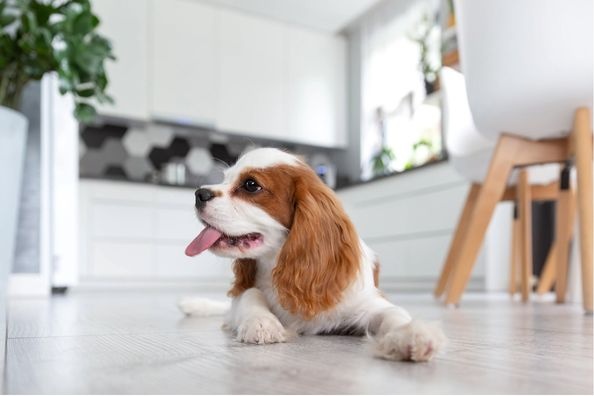
Storm season brings more than rain and lightning. For millions of dogs across the country, a distant rumble of thunder triggers real, overwhelming fear. Shaking, hiding, panting, and destructive behavior are not dramatic overreactions. They are signs that your dog is genuinely distressed. Knowing how to calm a dog during a thunderstorm is one of the most practical things you can do for your pet’s well-being. This guide walks you through what causes storm fear, how to recognize it early, and what actually works from simple at-home strategies to professional veterinary support. Whether your dog trembles slightly or panics completely, there are proven steps that help. The earlier you start, the better your results will be.
Why Dogs Fear Thunderstorms
Storm phobia is more common than most pet owners expect. Studies suggest that roughly 40% of dogs experience some level of fear during storms. For many dogs, the fear goes beyond noise alone.
Dogs detect changes in barometric pressure, static electricity buildup, and electromagnetic shifts that humans cannot sense. By the time you hear thunder, your dog has likely already registered that something is wrong. This explains why some dogs become anxious well before a storm arrives.
Breed and individual temperament play a role too. Herding breeds, working dogs, and dogs with a history of trauma or limited early socialization tend to show stronger reactions. Age is also a factor. In our experience, storm fear often worsens as dogs get older, even in dogs that previously seemed unbothered.
The fear response is also self-reinforcing. Each storm that causes distress makes the next one more frightening. That is why early intervention matters.
Signs of Storm Phobia in Dogs
Recognizing fear early gives you more time to respond effectively. Signs of storm phobia in dogs range from subtle to severe, and they do not always look like what owners expect.
Common signs to watch for:
- Trembling or shaking: Even mild shaking is a stress signal, not just a temperature response.
- Panting without exertion: Heavy, rapid breathing during a storm indicates heightened anxiety.
- Hiding or seeking confinement: Dogs often retreat under beds, into closets, or behind furniture to find relief.
- Destructive behavior: Chewing, scratching at doors, and digging are stress outlets, not misbehavior.
- Excessive vocalization: Whining, barking, or howling signals that your dog cannot self-regulate.
- Clingy behavior: Pressing against you constantly is a request for reassurance, not a personality flaw.
If you notice any of these signs, contact your veterinarian promptly. Some of these behaviors can also indicate pain or other medical conditions that deserve evaluation.
Pet owners often tell us they assumed their dog “just needed to get used to it.” Storm phobia rarely resolves on its own. Without support, it typically intensifies over time.
What Helps Dogs During Thunderstorms?
The most effective way to calm a dog during a thunderstorm is to combine a safe physical environment with calm, consistent owner behavior and, where needed, veterinary-guided support.
Start by creating a dedicated storm shelter for your dog before storm season begins. This is a specific space your dog associates with safety. Use their crate if they are crate-trained, or a quiet interior room away from windows. Add familiar bedding, a worn item of your clothing, and a long-lasting chew or food puzzle to occupy them.
During the storm, stay calm yourself. Dogs read your body language closely. Offering quiet, matter-of-fact reassurance is appropriate. Dramatically comforting a panicking dog can unintentionally reinforce the fear response.
White noise machines, classical music designed for dogs, or a television at moderate volume can help mask the sound of thunder. Calming wraps and anxiety vests work for some dogs by applying gentle, consistent pressure similar to swaddling.
Causes and Risk Factors for Thunder Anxiety in Dogs
Thunder anxiety in dogs is rarely caused by one thing alone. It develops from a combination of sensory sensitivity, past experience, and neurological predisposition.
Dogs with a highly sensitive nervous system are more prone to developing fear responses to sudden, unpredictable stimuli like storms. Genetics matter. If a dog’s parent showed storm fear, the offspring has a higher likelihood of developing it too.
In Florida, storm frequency is a significant factor. Aventura and the greater South Florida region experience thunderstorms more often than nearly any other part of the country. Dogs here are exposed to storms repeatedly throughout the year, which means repeated stress exposures without proper management can rapidly escalate a mild fear into a severe phobia.
Lack of early socialization is another contributor. Puppies who were not gradually exposed to loud sounds, environmental changes, and new stimuli are more likely to develop anxiety as adults. Dogs rescued from stressful or unstable environments also show higher rates of storm-related fear.
One common misconception we hear frequently: many owners believe that if a dog was fine during storms as a puppy, they will always be fine. This is not accurate. Thunder anxiety often first appears or intensifies in middle age, between three and seven years, even in dogs with no prior history of fear.
How Vets Diagnose and Treat Storm Phobia
When at-home strategies are not enough, a veterinary evaluation is the right next step. Your vet will assess the severity of your dog’s fear response, rule out any underlying medical conditions contributing to anxiety, and develop a treatment plan tailored to your dog.
Treatment for storm phobia typically follows a stepped approach:
- Behavioral modification: Desensitization and counter-conditioning using recorded storm sounds at low volume, gradually increased over weeks, paired with positive reinforcement.
- Environmental management: Structured safe spaces, white noise, and reducing visual exposure to lightning.
- Calming supplements: Certain veterinarian-recommended supplements support relaxation without sedation and are appropriate for mild to moderate cases.
- Prescription medication: For dogs with severe phobia, short-term anti-anxiety medications may be prescribed to use during storm events. Long-term anxiety medications are an option for dogs in high-storm regions.
- Ongoing monitoring: Your vet will track your dog’s response and adjust the plan as needed.
Many dogs we see for storm phobia improve significantly within one storm season when treatment begins early. Many dogs we treat show meaningful improvement within a few months with consistent behavioral support combined with appropriate medication.
Amor Animal Hospital provides veterinary care for dogs experiencing anxiety, phobias, and behavioral concerns. Our team is experienced in developing compassionate, individualized treatment plans that address both the behavioral and medical sides of storm fear. Proper veterinary care for dogs with storm phobia makes a real difference in their quality of life.
Practical Tips to Reduce Storm Stress at Home
Between vet visits, consistent home management reduces your dog’s overall anxiety load and makes each storm less overwhelming.
- Track storm forecasts: Check weather apps daily during storm season. Starting your dog’s calming routine before the storm hits is far more effective than reacting after fear has already escalated.
- Exercise before a storm: A well-exercised dog has lower baseline anxiety. A morning walk or play session before an afternoon storm can take the edge off.
- Avoid reinforcing panic: Stay calm, speak in a low, even tone, and avoid pacing or anxious behavior yourself. Your dog watches you closely.
- Use a calming wrap consistently: Anti-anxiety vests work best when introduced during calm periods so your dog associates them with comfort before a storm arrives.
- Never punish fear: Correcting a dog for trembling, hiding, or whining during a storm increases stress. Fear is not disobedience. Address the underlying anxiety instead.
We frequently remind our clients that storm season preparation is a year-round effort. Small, consistent steps between storms produce far better outcomes than reactive intervention during a storm event.
Helping a dog through storm fear takes patience, consistency, and the right support. Understanding why your dog reacts, recognizing the early signs, and building a safe environment are the foundations. At home, calm routines and practical tools make a meaningful difference. For dogs with moderate to severe fear, professional guidance accelerates progress significantly. Knowing how to calm a dog during a thunderstorm is not just about surviving the next storm. It is about reducing your dog’s overall anxiety and improving their daily quality of life. If storms are causing your dog real distress, do not wait for it to worsen. Reach out to the team at Amor Animal Hospital and get a plan in place before storm season peaks. Book an appointment today.
Frequently Asked Questions
Q: How do I calm my dog during a thunderstorm?
Ans: Create a safe, quiet space away from windows, use white noise or calming music to mask thunder, and stay calm yourself. For dogs with moderate to severe fear, speak with your veterinarian about behavioral and medical treatment options.
Q: Why is my dog so scared of thunder?
Ans: Dogs detect pressure changes, static electricity, and electromagnetic shifts that precede storms. Combined with the unpredictable sound of thunder, this creates a fear response that is very real and not simply attention-seeking behavior.
Q: What are the signs of storm phobia in dogs?
Ans: Common signs include trembling, excessive panting, hiding, destructive behavior, constant vocalization, and clinginess during storms. If these signs are severe or worsening, a veterinary evaluation is recommended.
Q: Can storm anxiety in dogs get worse over time?
Ans: Yes. Without proper management, storm phobia typically intensifies with each exposure. Early intervention with behavioral strategies and veterinary support produces the best long-term outcomes.
Q: When should I take my dog to the vet for storm fear?
Ans: If your dog’s fear is causing destructive behavior, self-injury, inability to settle, or significant distress during every storm, schedule a veterinary visit. A vet can assess severity and recommend a tailored treatment plan.
Amor Animal Hospital
Schedule Your Pet’s Visit Today
Your pet’s health and happiness are our top priorities. Schedule an appointment today and experience compassionate, expert care tailored to your furry friend’s needs.