20305 Biscayne Blvd. Aventura, FL 33180

The Best Toys for Keeping Indoor Pets Happy

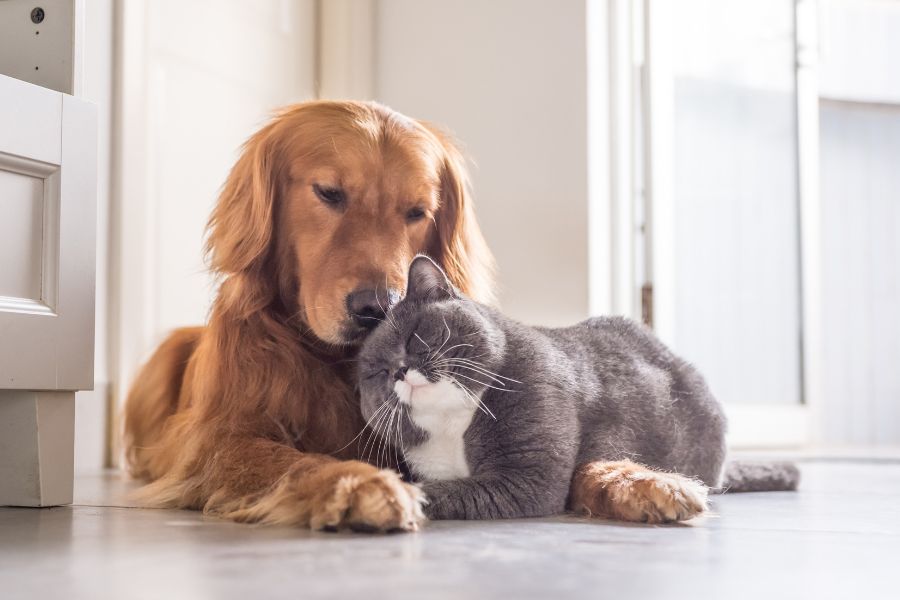
Indoor pets live longer, safer lives than pets who roam freely outside. But a safe home is not always a stimulating one. Without the right indoor pet toys, cats and dogs quickly grow bored, restless, and even anxious. Boredom in pets is not just a behavioral issue. It is a health issue. Destructive chewing, excessive meowing, and repetitive pacing are all signs that your pet is not getting enough mental and physical engagement. The good news is that the right toys can completely change your pet’s daily quality of life. This guide covers the best toy categories for dogs and cats living indoors, what to look for when choosing enrichment tools, and how to build a toy routine that actually keeps your pet engaged every single day.
What Are the Best Toys for Indoor Pets?
The best indoor pet toys match your pet’s natural instincts. Cats are natural stalkers and hunters, so they thrive with toys that mimic prey movement. Dogs are problem-solvers and scent-driven animals, so they do best with puzzle feeders and tug toys that engage their nose and brain. A toy is only effective if it fits the species-specific behavior of your pet. No single toy works for every animal. Rotating a variety of types, including chew toys, interactive feeders, and motion toys, keeps your pet curious and prevents them from losing interest. The AVMA recommends regular environmental enrichment for indoor pets as a core component of responsible pet ownership.
Top Toy Categories for Indoor Cats
Cats are hardwired to stalk, pounce, and bat. Without an outlet for those instincts, they become frustrated. Toys for bored cats should always target their predatory drive.
Here are the most effective toy types for indoor cats:
- Wand and feather toys: These mimic the movement of birds or small prey. Daily interactive play sessions with a wand toy reduce stress and hyperactivity in cats significantly.
- Automated laser pointers: Great for solo play when you are busy. Pair these with a physical toy at the end of the session so your cat can complete the hunt.
- Crinkle tunnels and hiding spots: Cats need places to stalk from. A crinkle tunnel satisfies their instinct to ambush without destroying your furniture.
- Catnip-filled plush toys: Catnip triggers a safe, temporary euphoric response in roughly 50 to 70 percent of cats. These are great for short bursts of solo play.
- Window perches with bird feeders outside: Watching live prey from a safe distance is a powerful mental outlet. Many cat owners in Aventura set up outdoor bird feeders just outside a window perch for passive enrichment.
In our experience, cats who have access to two or three rotating toy types are far less likely to develop stress-related behaviors like overgrooming or aggression.
Best Dog Toys for Indoor Play
Dogs confined indoors need consistent outlets for their energy. The best dog toys for indoor-focused pet owners should keep on hand target different types of stimulation.
Puzzle Feeders and Snuffle Mats
Puzzle feeders make your dog work for every kibble. This slows down fast eaters and provides meaningful mental exercise. Snuffle mats simulate foraging, which taps into your dog’s most natural drive. Studies suggest that 15 minutes of nose work is as tiring for dogs as 30 minutes of physical exercise. That is a powerful tool for indoor management.
Chew Toys and Rope Toys
Chewing is not just entertainment for dogs. It supports dental health and reduces cortisol levels. Choose rubber or nylon chew toys sized appropriately for your dog’s breed. Rope toys double as tug tools for interactive play. Pet owners often tell us they underestimate how much calm a good chew session can provide after a stimulating walk.
Fetch and Tug Alternatives for Small Spaces
Standard fetch is not always practical indoors. Soft foam balls and low-bounce rubber balls work well in hallways. Flirt poles, similar to cat wands but built for dogs, give your dog a big outlet in a small area.
How Pet Mental Stimulation Toys Support Long-Term Health
Do toys actually affect health outcomes? Yes, and the research is clear on this. Pet mental stimulation toys reduce anxiety, lower blood pressure in both pets and owners, and prevent cognitive decline in aging animals. The ASPCA identifies boredom and under-stimulation as leading causes of behavior problems in dogs and cats. Chronic stress from boredom suppresses immune function and increases the risk of stress-related illness over time.
We frequently remind our clients in Aventura that enrichment is not a luxury. It is a preventive health measure. A pet that plays regularly is a healthier, calmer, and more social companion.
How Often Should You Rotate Toys?
Rotate your pet’s toys every three to five days. Familiarity breeds disinterest. Keeping a toy in a closet for a week and reintroducing it feels like a brand new toy to your pet. This is one of the most underused and most effective enrichment strategies available to pet owners.
Building an Interactive Pet Enrichment Routine
The biggest mistake pet owners make is buying great toys and then leaving them out all the time. Availability without structure leads to boredom anyway. Interactive pet enrichment ideas work best when they are built into a consistent daily routine.
Here is a simple framework to follow:
- Morning: Give your pet a puzzle feeder or snuffle mat during your breakfast routine. This keeps them engaged while you prepare for your day.
- Midday: Leave one rotating chew toy or a solo-play motion toy accessible. Automated toys are ideal for this window.
- Evening: Spend 10 to 15 minutes in direct interactive play. Wand toys, flirt poles, and fetch alternatives work best here because they build the human-pet bond.
- Bedtime: Offer a calming chew or a snuffle mat stuffed with kibble. This winds your pet down naturally.
A common misconception is that a tired dog or a quiet cat is a happy one. Lethargy from lack of enrichment is not contentment. It is withdrawal. Our team at Amor Animal Hospital sees this regularly in pets brought in for behavioral concerns that are actually rooted in under-stimulation.
Conclusion
The right indoor pet toys do far more than keep your pet occupied. They support mental health, reduce stress, prevent behavioral problems, and promote physical wellness over your pet’s lifetime. Focus on rotating a variety of toy types that match your pet’s instincts. Build interactive pet enrichment into a daily routine rather than leaving it to chance. Start with two or three strong toy categories and build from there. Every pet deserves a home environment that keeps them sharp, happy, and engaged. If your pet is showing signs of boredom, anxiety, or behavioral changes, a wellness visit can help rule out underlying health issues and get them back on track. Book an appointment today.
Frequently Asked Questions
Q: What are the best toys for indoor cats who get bored easily?
Ans: Toys for bored cats should target their hunting instincts. Wand toys, automated laser pointers, crinkle tunnels, and rotating plush toys with catnip are the most effective choices. Rotating toys every few days prevents your cat from losing interest.
Q: How do indoor dog toys help with anxiety?
Ans: Chew toys, puzzle feeders, and snuffle mats give anxious dogs a healthy outlet for nervous energy. Repetitive, calming activities like chewing lower cortisol levels and reduce stress-related behaviors such as excessive barking or destructive chewing.
Q: How many toys does my pet actually need?
Ans: Most pets do best with five to eight toys in rotation rather than all toys available at once. Rotating three to four toys every few days keeps your pet’s interest high and makes each toy feel new again.
Q: Are puzzle feeders safe for all dog breeds?
Ans: Puzzle feeders are safe for most dogs, but choose a difficulty level appropriate for your dog’s experience. Start with a beginner-level feeder and increase the challenge gradually. Always supervise your dog during the first few uses to ensure they are not chewing apart the toy itself.
Q: When should I see a vet about my pet’s boredom or behavioral changes?
Ans: If your pet shows persistent signs of anxiety, aggression, overgrooming, or withdrawal even after introducing regular enrichment, schedule a veterinary evaluation. These behaviors can sometimes signal underlying medical conditions that need professional attention.
Amor Animal Hospital

Schedule Your Pet’s Visit Today
Your pet’s health and happiness are our top priorities. Schedule an appointment today and experience compassionate, expert care tailored to your furry friend’s needs.