20305 Biscayne Blvd. Aventura, FL 33180

My Cat Is Hiding and Won’t Eat: Could This Be a Serious Medical Situation?

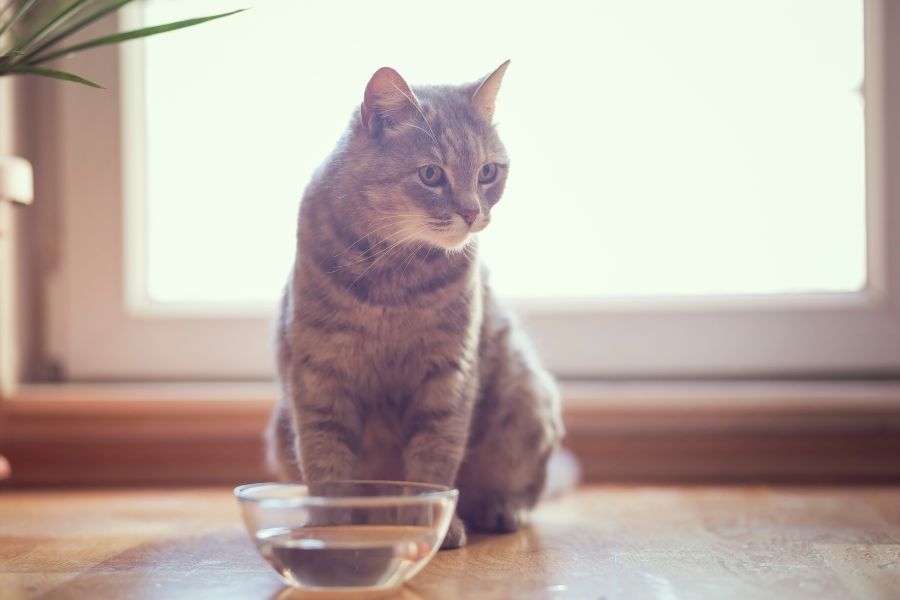
Your cat is tucked under the bed and has barely touched her food for two days. You call her name. She does not come. Something feels wrong, and you are right to be concerned. A cat hiding and not eating is one of the most common signs that a feline is struggling medically or emotionally. Cats are masters at concealing pain and discomfort. By the time they stop eating and withdraw completely, the issue is often well underway. This article covers the most common reasons cats hide and refuse food, what symptoms should prompt an immediate vet visit, how veterinarians diagnose the underlying cause, and what you can do at home while you wait for care. The sooner you understand the signals, the better the outcome for your cat.
Is a Cat Hiding and Not Eating Always a Medical Problem?
A cat hiding and not eating is not always a medical crisis, but it should always be taken seriously. Cats may withdraw and skip meals briefly after a stressful event, such as a move, a new pet in the home, or a loud household disruption. However, if hiding lasts more than 24 hours or food refusal extends beyond one to two days, a medical cause is likely. Do not wait for the situation to resolve on its own. Cats who stop eating for more than 48 hours are at real risk of developing hepatic lipidosis, a serious liver condition that results from fat mobilization when the body goes without fuel. This condition progresses quickly and requires veterinary treatment to reverse.
Common Reasons Cats Hide and Refuse to Eat
Many cats hide as their first response to pain, nausea, or illness. Below are the most frequent causes that veterinarians identify:
- Dental pain: A cracked tooth, gum infection, or oral ulcer makes eating painful. Cats with dental disease often drop food, chew on one side, or stop eating entirely.
- Gastrointestinal upset: Nausea from vomiting, constipation, or intestinal inflammation can suppress appetite quickly. Cats experiencing stomach discomfort instinctively withdraw.
- Kidney or liver disease: Both conditions affect appetite and energy significantly. Cats with early kidney disease often drink more water and eat less before other signs become obvious.
- Upper respiratory infection: Cats rely heavily on scent to find food appealing. A stuffy nose can make food smell like nothing, causing them to refuse meals even when hungry.
- Pain from injury or arthritis: A cat in physical discomfort seeks a quiet, dark hiding spot as a coping behavior. This is especially common in senior cats with joint pain.
- Anxiety and cat stress hiding behavior: Emotional distress from changes in routine, new people, or household conflict can look identical to physical illness. Cat stress hiding behavior typically resolves once the stressor is removed, but should still be evaluated if it persists.
Pet owners often tell us their cat seemed fine just days before the hiding started. In many cases, the problem had been building quietly for weeks before the behavioral change made it visible.
Sick Cat Warning Signs That Require Prompt Veterinary Attention
Not every hiding cat requires a same-day visit. But certain sick cat warning signs should move you to call your vet immediately. Watch for these red flags:
- Hiding for more than 24 to 48 hours with no improvement
- Complete food refusal lasting longer than 24 hours in a kitten or 48 hours in an adult cat
- Vomiting more than twice in 24 hours
- Labored or open-mouth breathing
- Visible weight loss or a visibly sunken appearance
- Blood in the stool, urine, or vomit
- Yellow tint to the skin, gums, or whites of the eyes (jaundice)
- Inability to stand, severe weakness, or unsteady movement
If you notice any of these signs, contact your veterinarian promptly. Sick cat warning signs like jaundice or labored breathing indicate organ involvement that requires rapid evaluation. Waiting even 24 hours in those cases can affect outcomes significantly.
In Florida’s warm, humid climate, we see this more often than many owners expect: cats who spend time near open windows or patios are occasionally exposed to parasites, insects, or toxins that can cause sudden-onset nausea and withdrawal. If your cat has access to an outdoor area, mention it to your vet when you call.
How Veterinarians Diagnose the Cause of Hiding and Food Refusal
Diagnosing why a cat has stopped eating requires a methodical approach. A physical exam alone often reveals important clues, but laboratory testing is usually necessary to identify internal causes that cannot be felt or seen.
A typical diagnostic workup may include:
- Full physical exam: The vet checks body weight, hydration, lymph nodes, abdomen, mouth, and temperature.
- Blood panel: A complete blood count and chemistry panel evaluate red blood cells, white blood cells, kidney function, liver values, blood sugar, and electrolytes.
- Urinalysis: Urine concentration and composition provide critical data about kidney and bladder health.
- Imaging: Abdominal X-rays or ultrasound can reveal intestinal blockages, organ enlargement, fluid accumulation, or masses.
- Additional testing: Depending on findings, thyroid levels, infectious disease panels, or dental X-rays may be recommended.
Thorough cat diagnostic care is the foundation of an accurate diagnosis. At Cat Hospital at Amor in Aventura, cat diagnostic care is tailored to each patient so that cats receive targeted testing based on their specific symptoms, age, and history rather than a one-size-fits-all approach.
What a Cat’s Loss of Appetite Tells Veterinarians
Cats experience loss of appetite differently from dogs. A dog may skip a meal due to picky habits or mild nausea and recover quickly. In cats, even short-term loss of appetite triggers metabolic changes that can become harmful within 48 hours. This is one of the most important distinctions in feline medicine and the main reason veterinarians take food refusal in cats so seriously.
The underlying cause determines the treatment path. A cat with a dental abscess may need an extraction under anesthesia. A cat with kidney disease may need fluid therapy and a prescription diet. A cat with anxiety may benefit from environmental changes, calming supplements, or short-term medication.
We frequently remind our clients that cats are not small dogs. Their physiology responds differently to fasting, to stress, and to many medications. Accurate diagnosis, not guesswork, is always the right first step.
Prevention and Home Care While You Wait for Your Appointment
While no home remedy replaces a veterinary visit, these steps may help keep your cat stable:
- Offer warm, strong-smelling food such as warmed wet food or low-sodium plain chicken broth to encourage eating.
- Do not force-feed your cat. Forcing food into a nauseous cat causes additional distress and vomiting.
- Keep the environment calm. Reduce noise, limit visitors, and give your cat a safe, accessible hiding spot with food and water nearby.
- Monitor litter box use. Note whether your cat is urinating and defecating, and write down any changes in output, color, or consistency to report to your vet.
- Never give human pain medications, antacids, or supplements without veterinary guidance. Many over-the-counter products that are safe for humans are toxic to cats.
Most cat owners assume that a cat that hides and refuses food just needs time. In reality, waiting longer than 48 hours without a vet visit often makes treatment more difficult. Early intervention is almost always associated with faster recovery.
Conclusion
A cat hiding and skipping meals for more than a day or two is giving you a clear signal that something is wrong. A cat hiding and not eating is not a personality quirk to wait out. It is a behavioral sign with physical roots in the vast majority of cases. Identify the warning signs early, act quickly, and trust your instincts as a pet owner. The sooner a diagnosis is made, the sooner your cat gets relief. Cat Hospital at Amor is here to help you get to the bottom of what your cat is experiencing. Book an appointment today.
Frequently Asked Questions
Q: How long can a cat go without eating before it becomes dangerous?
Ans: Most adult cats should not go more than 48 hours without eating. Kittens and senior cats face risk even sooner. Beyond 48 hours, fat metabolism changes in cats can lead to hepatic lipidosis, a liver condition that requires veterinary treatment.
Q: Why is my cat hiding under the bed and not eating?
Ans: Cats instinctively hide when they are in pain, nauseous, or stressed. If your cat has been hiding and skipping meals for more than 24 hours, a veterinary evaluation is recommended to rule out illness, injury, or a developing medical condition.
Q: Can stress make a cat stop eating and hide?
Ans: Yes. Changes in routine, a new pet or person in the home, or loud environments can cause a cat to withdraw and lose interest in food. However, stress-related hiding that lasts more than 24 to 48 hours, or hiding combined with vomiting or lethargy, warrants a vet visit to rule out a physical cause.
Q: What are the signs that a cat is seriously ill and not just upset?
Ans: Serious signs include labored breathing, yellow-tinted gums or skin, blood in vomit or stool, inability to stand, complete food refusal beyond 48 hours, and rapid weight loss. Any of these symptoms requires prompt veterinary attention rather than a wait-and-see approach.
Q: What will a vet do if my cat is hiding and not eating?
Ans: Your vet will perform a full physical exam and likely recommend blood work, a urinalysis, and possibly imaging to identify the cause. Treatment depends on the diagnosis and may include fluids, medication, a prescription diet, or further testing based on what is found.
Amor Animal Hospital
Schedule Your Pet’s Visit Today
Your pet’s health and happiness are our top priorities. Schedule an appointment today and experience compassionate, expert care tailored to your furry friend’s needs.