20305 Biscayne Blvd. Aventura, FL 33180

How to Keep Your Cat Calm During Independence Day Fireworks

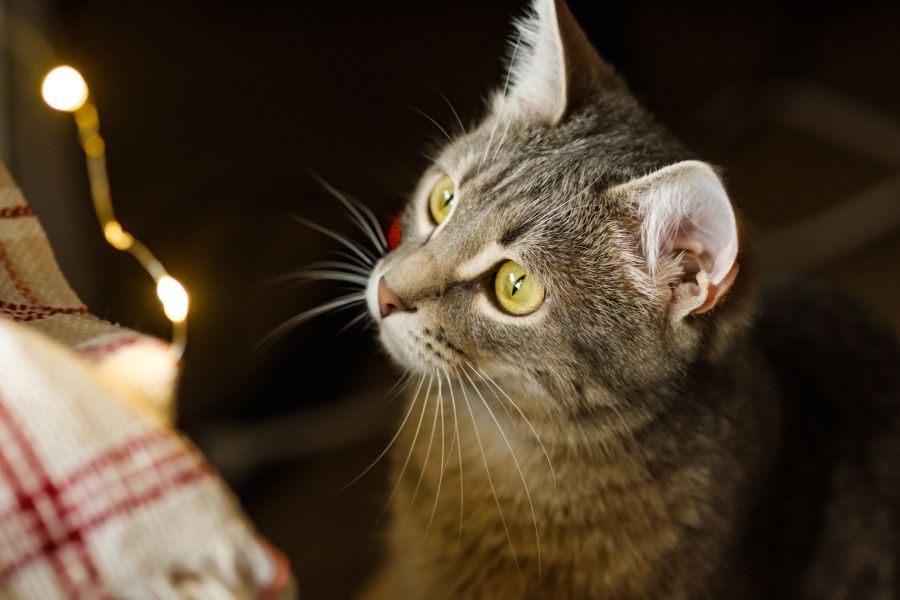
Independence Day is one of the most stressful nights of the year for cats. The sudden booms, flashes, and crowd noise can send even the most relaxed indoor cat into a full panic. Helping your cat stay calm during fireworks is not just about comfort. It is about preventing serious anxiety that can lead to hiding, escape attempts, or injury. Knowing how to keep a calm cat during fireworks can make the difference between a frightening night and a safe, manageable one for your pet. This guide walks you through the signs of fear in cats, what triggers their stress response, and practical steps you can take at home before and during the Fourth of July celebration.
How Do Fireworks Affect Cats?
Cats have hearing that is far more sensitive than a human’s. They can detect higher frequencies and pick up sounds from much greater distances. Fireworks produce sudden, unpredictable blasts of sound that activate a cat’s fight-or-flight response instantly. This means their heart rate spikes, their muscles tense, and their instinct says “run or hide” within seconds.
Unlike dogs, cats rarely show their fear through obvious vocalization. They tend to go very still, retreat to enclosed spaces, or shut down and refuse to interact. This quiet suffering is easy to miss. In our experience, many cat owners don’t realize their cat spent the entire Fourth of July night trembling under the bed until they spot the signs the next morning.
Understanding this is the first step toward protecting your cat on one of the loudest nights of the year.
Signs of Fear and Stress in Cats During Loud Events
Recognizing cat anxiety, fireworks symptoms early allows you to step in before stress escalates. Cats are subtle communicators, and fear signals can be easy to overlook if you don’t know what to watch for.
Watch for these signs of stress in cats during fireworks:
- Hiding in enclosed spaces: Under beds, in closets, or behind appliances. This is a self-soothing behavior, not a sign of illness.
- Dilated pupils: Wide, black pupils, even in a lit room, indicate high arousal and fear.
- Flattened ears: Ears pulled tight against the head signal that your cat feels threatened.
- Rapid, shallow breathing: Visible chest movement or panting in a cat is a red flag that stress levels are high.
- Refusal to eat: A fearful cat will skip meals even if they are hungry.
- Aggression or biting: Some cats lash out when overstimulated by fear. This is a response to a threat, not a behavior problem.
If you notice any of these signs, contact your veterinarian for guidance. Early intervention prevents short-term fear from becoming a long-term anxiety condition.
Why Some Cats Are More Sensitive Than Others
Not every cat reacts the same way to loud noises. Genetics, early socialization, and past trauma all shape how a cat processes fear. Cats that were not exposed to varied sounds as kittens often have lower thresholds for stress. Senior cats with cognitive decline may become confused and distressed more easily. Cats with pre-existing anxiety conditions are especially vulnerable.
Cat hiding during loud noises is extremely common in Florida, where cats are often indoor-only and unaccustomed to the sounds of outdoor environments. We frequently remind our clients in Aventura that the enclosed, climate-controlled lifestyle that keeps cats safe year-round also means they have fewer natural opportunities to build noise tolerance.
Additionally, the unpredictability of fireworks is a major factor. A cat can tolerate consistent background noise far better than random, sharp explosions at uneven intervals. The unpredictability keeps the nervous system on high alert all night.
How to Keep Cats Safe and Calm Before and During Fireworks
Preparation makes a real difference. Start at least a few days before July 4th for the best results.
Before the event:
- Create a safe room. Choose a quiet interior room with no windows, or cover windows to muffle light flashes. Add your cat’s bed, litter box, food, and water.
- Play white noise or soft music in the safe room starting a few days ahead. This helps your cat associate the space with calm.
- Use a feline pheromone diffuser in the safe room. These products mimic natural calming signals and can reduce anxiety without sedation. Ask your veterinarian which product is right for your cat.
- Do not change your cat’s feeding schedule. Routine is stabilizing during stressful periods.
- Talk to your veterinarian about anxiety support options. For cats with severe noise phobia, a short-term prescription may help them get through the night safely.
During the event:
- Keep your cat indoors. This is non-negotiable. Panicked cats run and often cannot find their way home.
- Close all windows, doors, and cat flaps.
- Stay calm yourself. Cats read human body language. Anxious owners often escalate a cat’s fear response without realizing it.
- Let your cat hide if they want to. Do not force interaction. A hiding cat is coping, not suffering. Forcing them out removes their sense of control.
- Sit near the safe room but do not hover. Your presence is reassuring without being overwhelming.
Strategies to keep cats safe on July 4th do not require expensive equipment. A thoughtful setup and a calm environment are the most powerful tools available.
What to Do If Your Cat’s Fear Is Severe
Some cats experience noise phobia at a clinical level. This goes beyond hiding or skipping a meal. Severe cases involve self-injury from escape attempts, prolonged inability to eat or drink, or complete shutdown lasting for hours after fireworks end.
Pet owners often tell us they assumed their cat would “get used to it” over the years. In reality, noise phobia in cats tends to worsen without intervention. Each fearful event can reinforce the fear response and lower the threshold for future reactions.
If your cat shows extreme distress, a conversation with your veterinarian is the right next step. Options may include behavior modification, pheromone therapy, or short-term medication. These tools are most effective when combined, and your vet can help you build a plan tailored to your cat’s history and temperament.
At Amor Animal Hospital’s dedicated Cat Hospital in Aventura, our feline-focused care team understands the unique emotional needs of cats. Our Cat Hospital is designed exclusively for cats, providing a calm, dog-free environment where your cat can receive the specialized attention they deserve.
Keeping Your Cat Safe After Fireworks Season
Helping a calm cat during fireworks recover quickly matters just as much as the night itself. After a stressful event, give your cat extra time and space to decompress. Resume normal feeding and play routines as soon as possible. Keep the household quiet for a day or two.
Check that your cat’s microchip information is current before Independence Day. Even indoor cats who bolt from an open door during fireworks may be recovered thanks to a registered microchip. If your cat is not yet microchipped, book an appointment well ahead of the holiday.
If your cat seemed unusually distressed this year, start planning for next year now. Behavior modification works best when practiced over months, not days. The vet team at Amor Animal Hospital is here to support you and your cat through every season. Book an appointment today.
Frequently Asked Questions
Q: Why is my cat so scared of fireworks?
Ans: Cats have extremely sensitive hearing and are startled by sudden, unpredictable sounds. Fireworks trigger their natural fight-or-flight response, which causes fear, hiding, and physical stress symptoms.
Q: What are the signs of stress in cats during fireworks?
Ans: Common signs include hiding, dilated pupils, flattened ears, rapid breathing, refusal to eat, and occasional aggression. Some cats become very still and withdrawn instead of visibly panicked.
Q: Is it safe to give my cat calming medication for fireworks?
Ans: Some cats benefit from short-term anxiety medication prescribed by a veterinarian. Never give your cat human medications or over-the-counter supplements without veterinary guidance, as many are toxic to cats.
Q: Should I comfort my cat when they are scared?
Ans: You can sit near your cat and speak softly, but do not force physical contact. If your cat chooses to come to you for comfort, that is fine. Forcing interaction can increase their stress.
Q: How do I prepare my cat for July 4th fireworks?
Ans: Set up a quiet, enclosed safe room several days before the event. Add familiar bedding, food, and water. Consider a feline pheromone diffuser and speak with your vet about whether additional support is needed for your cat’s anxiety level.
Amor Animal Hospital
Schedule Your Pet’s Visit Today
Your pet’s health and happiness are our top priorities. Schedule an appointment today and experience compassionate, expert care tailored to your furry friend’s needs.