20305 Biscayne Blvd. Aventura, FL 33180

Cat Meowing Explained: Normal vs. Excessive Behavior

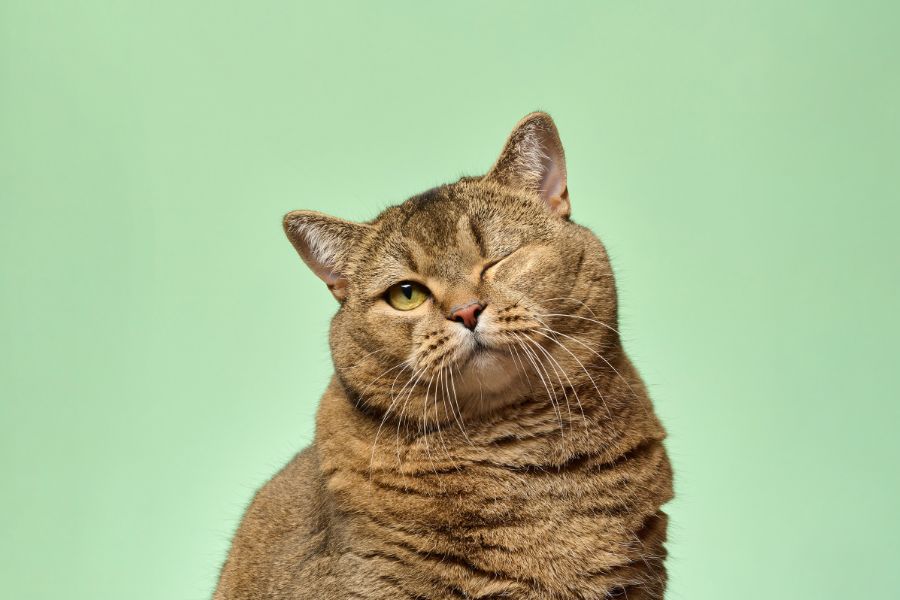
Your cat was quiet all morning. Then noon arrived, and she has not stopped meowing since. You fed her, checked her water bowl, and even tried playing with her. Nothing worked. You are not imagining it. Cats are vocal animals, but not every meow means the same thing. Knowing the difference between normal communication and a sign of distress could save your cat unnecessary suffering. This guide breaks down why cats meow, what sounds are considered typical, and exactly when cat meowing too much crosses the line from quirky habit to a reason to call your vet. By the end, you will feel confident telling the difference.
Is Your Cat Meowing Too Much? Here Is What Normal Looks Like
A healthy adult cat meows primarily to communicate with people, not other cats. Kittens meow to signal hunger to their mothers. Adult cats redirect that same behavior toward their owners over time.
Normal meowing includes:
- A greeting when you walk through the door
- Short, soft vocalizations before mealtime
- A brief chirp or trill directed at birds through a window
- Quiet, calm sounds during play or petting
The volume, frequency, and context of the sound all matter. A single meow at dinnertime is not the same as repeated, loud cries throughout the day. Cat meowing too much typically looks like vocalizations that are longer, louder, more frequent, or occur without an obvious trigger. That shift in pattern is the signal to pay closer attention.
Common Reasons Cats Meow and What They Are Trying to Say
Cats are intelligent animals. They meow because it works. If your cat has learned that vocalizing leads to food, attention, or playtime, the behavior gets reinforced fast.
Here are the most common communication reasons behind meowing:
- Hunger or mealtime anticipation: Most cats are on a schedule. They know exactly when food is coming and will tell you if you are late.
- Greeting and social bonding: Some cats are simply more talkative by nature. Breeds like Siamese and Burmese are known for consistent vocalization.
- Boredom or loneliness: Cats left alone for long hours often vocalize out of frustration. A cat crying for attention in an empty house is communicating a real need for stimulation.
- Stress or environment changes: A new pet, a move, a new baby, or even rearranged furniture can trigger anxious meowing.
- Reproductive behavior: Unspayed females in heat produce loud, persistent cries. Intact males call out in response. Spaying and neutering eliminates this pattern entirely.
In our experience, owners are often surprised to learn that their cat’s vocalizations shift dramatically after a household change. A new pet or family member is enough to send an otherwise quiet cat into weeks of vocal protest.
Why Cats Meow at Night and What It Means
Cats are crepuscular, meaning their natural activity peaks at dawn and dusk. Nighttime meowing can be normal in younger, high-energy cats. But when a previously quiet adult cat begins vocalizing at night without explanation, it is often a sign that something has changed physically or mentally.
The most common reasons cats meow at night include:
- Cognitive dysfunction syndrome: Senior cats over age 10 sometimes develop a condition similar to feline dementia. Disorientation, confusion, and nighttime yowling are classic signs.
- Pain or physical discomfort: Arthritis, dental pain, and internal conditions can make it hard for cats to rest. Nighttime is quiet, and pain becomes harder to ignore.
- Thyroid disease: Hyperthyroidism is common in older cats. One of its earliest signs is increased vocalization, especially at night.
- Vision or hearing loss: Cats that can no longer see or hear well often cry out from disorientation in the dark.
Why cats meow at night in older pets is one of the most common questions we hear from cat owners in Aventura. If it has become a nightly pattern and your cat is over eight years old, a veterinary checkup is a smart next step.
Signs That Excessive Cat Vocalization Is a Medical Problem
Not all meowing is behavioral. Excessive cat vocalization signs can point directly to a health issue that needs attention. The key is noticing a change from your cat’s baseline.
Watch for these warning signs alongside the increased vocalization:
- Sudden onset in a previously quiet cat: A cat that rarely meowed and now vocalizes constantly is signaling something new.
- Vocalizing while using the litter box: This can indicate a urinary blockage or painful elimination. Seek prompt veterinary care immediately.
- Meowing combined with weight loss: Both hyperthyroidism and diabetes can cause increased vocalization alongside unexplained weight changes.
- Restlessness or pacing during vocalizations: A cat that cannot settle while crying is likely in pain or distress.
- Changes in litter box habits alongside increased crying: Kidney disease and urinary tract infections commonly present this way.
If you notice any of these signs, contact your veterinarian promptly. Excessive cat vocalization signs paired with physical symptoms are rarely behavioral. They are medical until proven otherwise.
When to See a Vet for Your Cat’s Meowing
You should schedule a veterinary visit when your cat’s meowing is new, sudden, persistent, or paired with any physical change. Behavioral meowing usually has a pattern. Medical meowing does not stop regardless of what you offer.
Here is a simple framework for when to see a vet for meowing:
- The meowing started suddenly with no clear trigger
- Your cat is over eight years old and has started vocalizing more
- The cries sound different, higher-pitched, or more distressed than usual
- You notice changes in appetite, thirst, weight, or litter box habits
- The behavior has continued for more than two weeks without improvement
A common misconception pet owners carry is that excessive meowing is just a personality trait or attention-seeking behavior. In many cases, that is true. But a cat crying for attention that suddenly becomes louder, more frequent, or more desperate is worth investigating. Dismissing a medical cause because “that’s just how she is” leads to delayed diagnosis.
Pet owners in Aventura often come to us after weeks of assuming their cat was just being demanding. A full physical exam and basic bloodwork often reveals what the behavior was trying to communicate all along. The Cat Hospital at Amor focuses exclusively on feline care, which means our team is trained to read subtle shifts in cat behavior that generalist practices can miss.
Conclusion
Cats meow for a reason. Most of the time, vocalization is normal communication: hunger, greeting, boredom, or a need for attention. But cat meowing too much, especially in a cat with a previously quiet temperament, is worth taking seriously. Watch for changes in frequency, timing, and sound quality. Monitor for physical symptoms alongside the vocalization. And do not wait months before calling your vet. Early detection of conditions like hyperthyroidism, cognitive dysfunction, or dental pain makes a meaningful difference in your cat’s quality of life. At The Cat Hospital at Amor, feline health is the only focus, and a thorough exam can give you real answers fast. Book an appointment today.
Frequently Asked Questions
Q: Why is my cat meowing so much all of a sudden?
Ans: A sudden increase in meowing often signals a medical issue, a stressful environment change, or a new behavioral trigger. If the change is sudden and your cat is showing any physical symptoms, schedule a veterinary exam right away.
Q: Is it normal for cats to meow a lot at night?
Ans: Occasional nighttime vocalization can be normal in active or young cats. Persistent nighttime crying in adult or senior cats is more often linked to cognitive dysfunction, hyperthyroidism, pain, or sensory decline and should be evaluated by a vet.
Q: How do I get my cat to stop meowing for attention?
Ans: Avoid rewarding attention-seeking meowing by responding immediately every time. Establish consistent feeding schedules, provide enrichment like puzzle feeders and interactive toys, and ensure your cat has enough daily playtime. If the behavior is severe, a vet can rule out underlying causes first.
Q: What does it mean when a cat meows constantly?
Ans: Constant meowing, especially in a cat that was not previously vocal, can indicate pain, illness, anxiety, or cognitive changes. Track when and how the meowing occurs and bring those observations to your veterinarian for context.
Q: When should I be worried about my cat meowing?
Ans: Be concerned when the meowing is new, persistent, louder or different than usual, or paired with changes in eating, drinking, litter box habits, or weight. Any of these combinations warrants a prompt veterinary visit.
Amor Animal Hospital
Schedule Your Pet’s Visit Today
Your pet’s health and happiness are our top priorities. Schedule an appointment today and experience compassionate, expert care tailored to your furry friend’s needs.