20305 Biscayne Blvd. Aventura, FL 33180

Halloween Season Pet Routine: Reduce Anxiety and Keep Dogs and Cats Calm

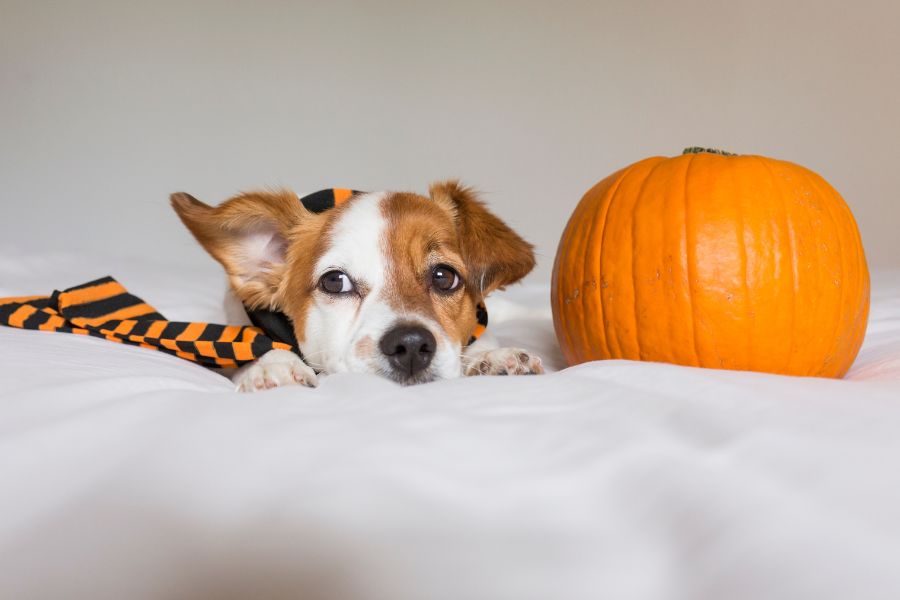
Halloween is full of excitement — costumes, candy, and decorations — but for our pets, it can be overwhelming. The flashing lights, loud noises, and constant visitors can trigger stress and anxiety in both dogs and cats. In this guide, you’ll learn practical Halloween pet anxiety solutions, calm pets Halloween routines, and effective pet stress relief tips to help your furry friends feel safe and happy throughout the spooky season.
Why Halloween Can Be Stressful for Pets
Halloween brings unfamiliar sights and sounds that can disrupt a pet’s normal sense of security. Dogs may bark excessively, pace, or hide, while cats often retreat or refuse to eat. Common stressors include:
- Doorbells ringing frequently
- Strangers in costumes or masks
- Noisy trick-or-treaters
- Flashing lights or spooky décor
- Changes in household routine
Understanding these triggers is the first step toward a calmer Halloween experience.
Signs of Pet Anxiety During Halloween
Recognizing early signs of anxiety helps you intervene before stress escalates. Look out for:
For Dogs:
- Panting or trembling
- Excessive barking or whining
- Pacing or destructive behavior
- Clinginess or hiding
For Cats:
- Hiding for long periods
- Overgrooming or shedding more
- Avoiding food or litter box
- Aggressive or withdrawn behavior
Once you spot these behaviors, it’s time to adjust your Halloween pet care routine to ease their discomfort.
Create a Calm Environment at Home
Your home should serve as a safe haven from the Halloween chaos. Here’s how to create a calm, pet-friendly environment:
- Set up a quiet zone: Choose a quiet room away from the front door where your pet can relax. Add cozy bedding, toys, and familiar scents.
- Use white noise or calming music: Gentle background sounds can drown out outside noise and reduce anxiety.
- Keep décor simple: Avoid flashing lights, noisy decorations, or moving props near pet areas.
- Maintain normal lighting: Dim but steady lighting helps pets feel secure.
These small adjustments go a long way in supporting pet stress relief during the holidays.
Stick to Regular Routines
Pets thrive on consistency. Even during Halloween festivities, try to maintain their usual pet daily habits:
- Feed them at the same time every day.
- Keep walks and playtime on schedule.
- Don’t skip cuddle sessions — physical touch reassures them.
- Ensure regular bathroom breaks before the trick-or-treat rush starts.
By sticking to their familiar routine, your dog or cat feels grounded and less reactive to the changes around them.
Manage Costume and Visitor Anxiety
If you plan to dress up or host visitors, help your pet prepare gradually:
- Introduce costumes early: Let pets sniff and see costumes before you wear them. Avoid masks around fearful animals.
- Limit exposure: If your pet seems uncomfortable with guests or costumes, keep them in their safe zone.
- Reward calm behavior: Use treats and praise when your pet remains calm during interactions.
This proactive approach prevents unnecessary stress and helps anxious dogs and cats associate Halloween with positive experiences.
Safe Treats and Pet-Friendly Distractions
While candy is a Halloween staple, it’s toxic to pets. Instead, offer healthy, pet-safe alternatives to keep them occupied.
Pet-friendly ideas:
- Pumpkin puree (plain, unsweetened)
- Frozen dog treats
- Catnip toys or puzzle feeders
- Long-lasting chews
These distractions redirect their energy and provide comfort while you handle trick-or-treaters.
Use Calming Products and Techniques
When natural methods aren’t enough, consider using gentle calming aids:
- Pheromone diffusers or sprays: Products like Adaptil (for dogs) or Feliway (for cats) mimic natural calming scents.
- Anxiety wraps or weighted vests: Gentle pressure can soothe nervous pets.
- Herbal or vet-approved supplements: Talk to your vet about safe options such as chamomile, CBD treats, or L-theanine.
Always introduce new products gradually and under supervision for safety.
Keep Pets Safe Indoors
During Halloween night, it’s best to keep pets indoors where they’re safe from the chaos. Follow these Halloween pet care safety tips:
- Close windows and secure doors to reduce noise.
- Keep ID tags and microchips updated in case your pet escapes.
- Store candy and decorations out of reach.
- Never leave pets outside unattended — loud noises and costumes can cause them to bolt.
Your goal is to make your home their comfort zone, not a source of confusion.
Plan Ahead for a Stress-Free Halloween
Preparation is key to reducing Halloween pet anxiety. Before the festivities begin:
- Walk dogs earlier in the evening before trick-or-treating starts.
- Move litter boxes, food, and water bowls to quiet areas.
- Notify family members and guests about pet safety rules.
- Test noise-reduction techniques a few days ahead.
These small proactive steps make a big difference when the doorbells start ringing.
When to Seek Veterinary Help
Sometimes, stress and anxiety go beyond what at-home care can handle. Contact your vet if:
- Your pet stops eating or drinking.
- Anxiety lasts more than a few days after Halloween.
- You notice aggressive or destructive behavior.
- Physical symptoms appear, like vomiting or trembling.
A veterinarian can recommend medical-grade calming options or behavior training tailored to your pet’s needs.
Halloween should be fun for everyone — including your pets. By understanding their triggers, maintaining routines, and creating a calm environment, you can help your furry family members feel safe and relaxed all season long. For expert pet care in Aventura, consult your local veterinarian for personalized advice and stress management support.
FAQs
Q1: How can I calm my dog during Halloween fireworks and noises?
Ans: Play calming music, use anxiety wraps, and keep your dog in a quiet, secure room away from windows.
Q2: Are Halloween decorations safe for pets?
Ans: Avoid flashing lights, small parts, or hanging décor pets can chew or swallow. Keep cords and batteries out of reach.
Q3: What foods should I keep away from pets during Halloween?
Ans: Keep chocolate, xylitol, raisins, and candy away — they’re toxic to both dogs and cats.
Q4: How early should I start preparing my pet for Halloween?
Ans: Start one to two weeks before — introduce costumes, test calming tools, and adjust routines gradually.
Q5: Can my pet wear a Halloween costume safely?
Ans: Yes, but ensure it fits comfortably, doesn’t restrict movement, and never covers their face or breathing passages.
Amor Animal Hospital
Related Articles
Schedule Your Pet’s Visit Today
Your pet’s health and happiness are our top priorities. Schedule an appointment today and experience compassionate, expert care tailored to your furry friend’s needs.