20305 Biscayne Blvd. Aventura, FL 33180

Preparing Your Pet for Veterinary Surgery: A Step-by-Step Checklist

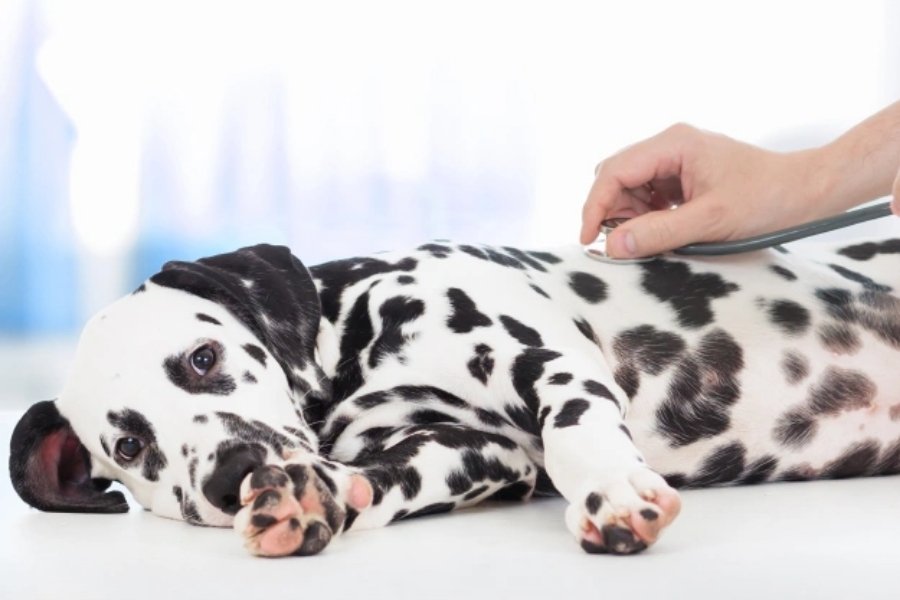
Veterinary surgery is often a stressful experience—not just for pets, but also for their human companions. While veterinary teams are well-trained to care for your pet, your role in preparation can make a major difference. A calm, well-prepared pet is easier to treat and quicker to recover. Whether your pet is going in for a routine procedure or something more serious, being proactive can reduce anxiety, complications, and confusion.
Let’s walk through a practical and reassuring checklist to help you prepare your furry family member for veterinary surgery.
Pre-Surgery Consults: More Than Just Paperwork
Before the surgery, schedule a detailed consultation with your veterinarian. Ask every question on your mind—no matter how small it seems. From understanding the procedure to discussing anesthesia risks and possible outcomes, clarity is key. Also, share your pet’s full medical history, current medications, and any allergies. This step sets the stage for safe and successful treatment.
Fasting Guidelines: Timing Is Everything
Your vet will likely instruct you to withhold food and sometimes water before the surgery. Why? Because anesthesia can cause nausea, and a full stomach increases the risk of aspiration. For most pets, fasting begins 8–12 hours before the scheduled time. Puppies, kittens, or diabetic pets may require special instructions, so always confirm details with your clinic.
Comfort Items: Familiarity Calms the Nerves
When your pet wakes up from surgery, a familiar scent can bring comfort. Consider packing their favorite blanket or soft toy to accompany them. These items serve as a gentle reminder of home and can reduce post-op anxiety, especially if your pet needs to stay overnight.
Confirm Logistics: Avoid Day-Of Drama
Confirm the drop-off and pick-up times, and make sure someone reliable is available for transportation. Ask about the expected duration of the procedure and recovery. Clarify whether your pet will be discharged the same day or kept for observation. Keep your phone handy and fully charged in case the vet needs to reach you during surgery.
Pre-Surgery Grooming: Keep It Clean, Not Complicated
If your pet needs a bath or grooming, get it done a day or two before the procedure. Clean skin reduces the risk of infection, but doing it too close to surgery could lead to irritation. Also, trim their nails to prevent post-op injuries if your pet tries to scratch or paw at the incision site.
Prepare the Recovery Zone: A Healing Haven at Home
Create a quiet, cozy, and safe recovery area for your pet before heading to the clinic. Remove obstacles and provide a soft, easily accessible bed. Keep food and water nearby but out of reach unless feeding is permitted. If you have other pets or young children, consider setting up a separate room for healing.
Leash, Carrier, and Tags: Safety First, Always
Use a well-ventilated carrier for cats and small dogs, and a secure leash for larger breeds. Make sure your pet wears an updated ID tag. You’ll also want to bring any paperwork the vet requires. Don’t rush; a calm goodbye is better than a panicked departure.
Mental Preparation: Your Calm Becomes Theirs
Pets pick up on human emotions. If you’re anxious, they’ll sense it. Practice being calm, composed, and affectionate—especially in the days leading up to surgery. Give them extra playtime or snuggles. Your energy helps them stay grounded and reassured.
Frequently Asked Questions
1. How early should I arrive for my pet’s surgery?
Arrive at least 15–30 minutes early. It allows time for last-minute paperwork, weighing, and a final check-up.
2. Can I stay with my pet until anesthesia is administered?
Policies vary, but most clinics ask owners to leave before anesthesia to maintain sterile conditions.
3. Will my pet be in pain after surgery?
Pain management is a priority. The vet will likely prescribe medication to ensure your pet stays comfortable.
4. How soon can my pet eat after surgery?
Typically, a small meal can be offered a few hours after waking up—if your vet approves it.
5. What should I watch for after bringing my pet home?
Keep an eye out for swelling, discharge, excessive licking, or changes in behavior. Contact your vet if anything feels off.
6. Are there alternative options to traditional surgery?
Depending on the condition, laser surgery or less invasive methods may be available. Ask your vet during the initial consult.
Ensure your pet’s recovery is stress-free! Take a look at the 10 Common Mistakes Pet Owners Make After Surgery and how you can prevent them
Preparation doesn’t just help your pet—it helps you feel more in control during a stressful time. Each step in this checklist plays a role in creating a smoother, safer surgical experience. Whether it’s a routine spay/neuter or a more complex procedure, being informed and ready can make all the difference. If you’re scheduling veterinary surgery in Aventura, take the time to follow these steps—and always trust your instincts when something doesn’t feel right.
Amor Animal Hospital
Schedule Your Pet’s Visit Today
Your pet’s health and happiness are our top priorities. Schedule an appointment today and experience compassionate, expert care tailored to your furry friend’s needs.