20305 Biscayne Blvd. Aventura, FL 33180

Helping Your Pet Recover After Surgery: A Guide for Caring Owners

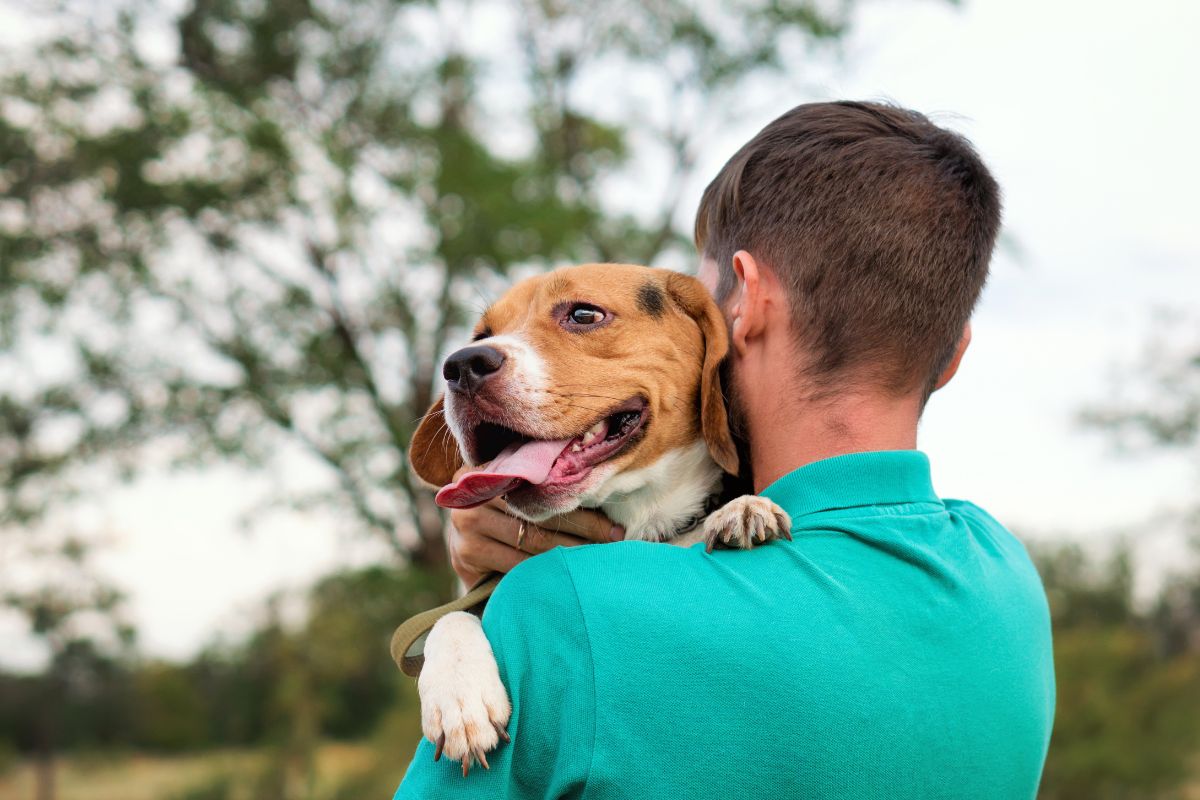
Surgery can be stressful for pets and their owners. Proper post-operative care is crucial for a smooth and comfortable recovery, whether a routine spay/neuter or a more complex procedure. This guide provides essential tips to help your furry friend heal quickly and safely.
Creating a Safe and Comfortable Recovery Space
Create a Calm and Quiet Environment:
After surgery, your pet needs a peaceful space to rest. Set up a comfortable, quiet area away from loud noises and high-traffic areas. This minimizes stress and allows your pet to focus on healing. Use soft bedding and ensure your pet has easy access to food and water. If you have other pets, keep them separated to avoid accidental roughhousing or disturbances.
Follow Veterinary Instructions Carefully:
Your veterinarian will provide specific post-operative instructions tailored to your pet’s surgery. This might include medication schedules, wound care, dietary restrictions, and activity limitations. Adhere to these instructions meticulously. Never administer human medications without consulting your vet, as they can be toxic to animals.
Manage Pain Effectively:
Pain management is crucial for your pet’s comfort and recovery. Your vet will likely prescribe pain medication. Administer these as directed and monitor your pet for any signs of discomfort. Look for changes in appetite, restlessness, or excessive licking of the surgical site. Contact your vet immediately if you notice anything concerning.
Monitor the Surgical Site:
Regularly check the surgical incision for signs of infection, such as redness, swelling, discharge, or an unpleasant odor. Prevent your pet from licking or chewing the wound, as this can lead to complications. An Elizabethan collar (cone) may be necessary to prevent this.
Limit Activity:
Rest is essential for healing. According to your vet’s instructions, restrict your pet’s activity. This may involve keeping them on a leash for bathroom breaks only, avoiding stairs, and preventing jumping or running. Gradually increase activity levels as your vet advises.
Provide Proper Nutrition:
Proper nutrition supports the healing process. Your vet may recommend a specific diet or feeding schedule. Ensure your pet has access to fresh water at all times. If your pet has a decreased appetite, consult your vet for advice.
Attend Follow-Up Appointments:
Follow-up appointments are crucial for monitoring your pet’s recovery. Your vet will assess the healing process and remove any sutures or staples if necessary. Don’t skip these appointments, even if your pet seems to be doing well.
Offer Emotional Support:
Your pet may feel anxious or disoriented after surgery. Offer plenty of gentle affection and reassurance. Speak to them in a calm, soothing voice. Your presence can significantly reduce their stress levels and promote healing.
Watch for Complications:
Be vigilant for any signs of complications, such as vomiting, diarrhea, lethargy, or difficulty breathing. If you notice anything unusual, contact your veterinarian immediately. Early intervention can prevent serious problems.
Conclusion:
Remember, your pet relies on you for their well-being, especially during recovery. Take a deep breath, stay patient, and follow your vet’s guidance. Each day brings them closer to full health. Your loving care and attention will make a difference in their healing journey, ensuring they return to their happy, playful selves in no time. Your dedication and understanding are the best medicine they could ask for.
Amor Animal Hospital
Related Articles
Schedule Your Pet’s Visit Today
Your pet’s health and happiness are our top priorities. Schedule an appointment today and experience compassionate, expert care tailored to your furry friend’s needs.