20305 Biscayne Blvd. Aventura, FL 33180

7 Essential Veterinary Diagnostics Every Pet Needs

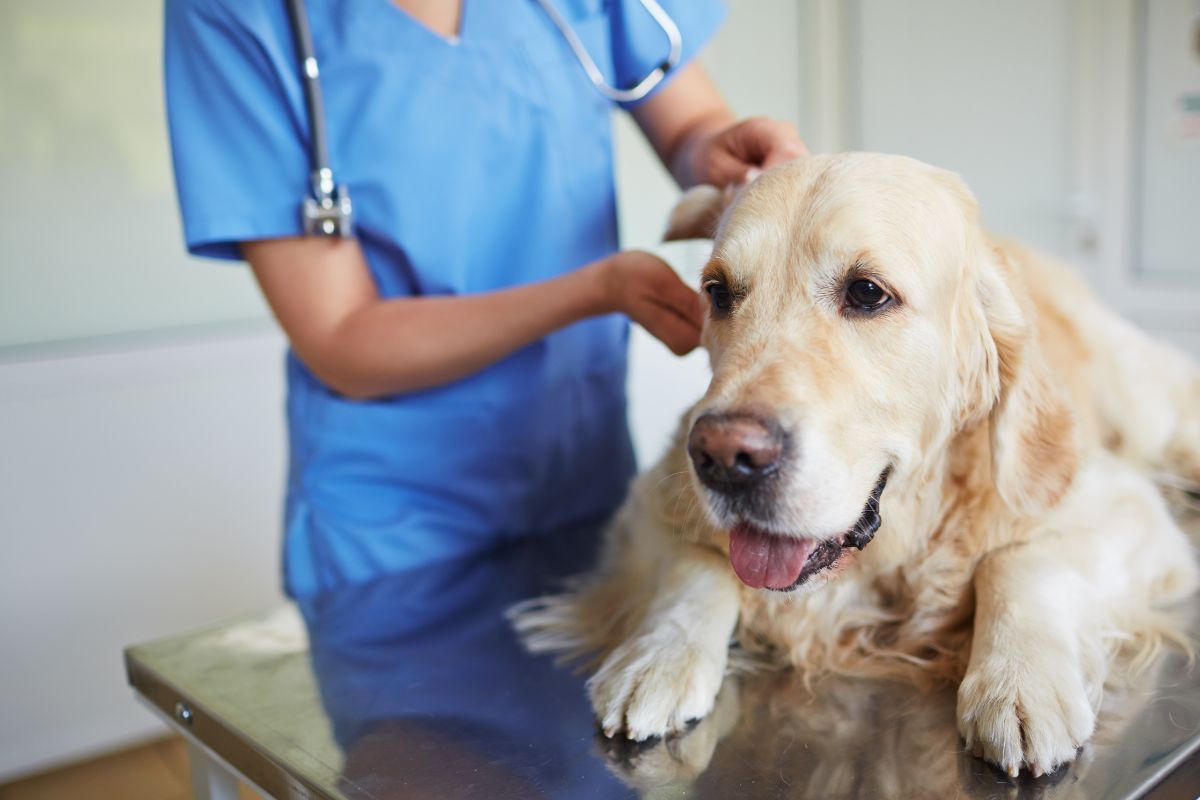
As devoted pet parents, our greatest wish is for our furry, scaled, or feathered companions to live long, healthy, and joyful lives. Just like us, our pets can experience a range of health issues, some obvious and others hidden beneath the surface. This is where the crucial role of veterinary diagnostics comes into play. These powerful tools allow veterinarians to delve deeper into your pet’s health, identify potential problems early, and tailor treatment plans for optimal well-being.
Think of veterinary diagnostics as puzzle pieces that help your vet create a complete picture of your pet’s health. Failing to conduct these essential tests can leave vital clues undiscovered, potentially delaying necessary interventions and negatively impacting your pet’s quality of life. So, what are these indispensable diagnostic tools that every pet owner should be aware of?
Let’s explore seven key areas:
1. Comprehensive Physical Examination:
While not a traditional test, a thorough physical exam is the cornerstone of veterinary diagnostics. Your vet will assess everything from your pet’s temperature and heart rate to their coat condition and reflexes. This hands-on evaluation often provides crucial initial insights and helps determine if further investigation is needed.
2. Complete Blood Count (CBC):
This standard blood test provides a wealth of information about your pet’s blood cells, including red blood cells (which carry oxygen), white blood cells (which fight infection), and platelets (involved in blood clotting). A CBC can help detect anemia, infection, inflammation, and even certain types of cancer.
3. Blood Chemistry Panel:
This panel analyzes various components in your pet’s blood serum, such as electrolytes, enzymes, and proteins. It offers valuable insights into the function of vital organs, such as the liver, kidneys, and pancreas, as well as identifying metabolic imbalances.
4. Urinalysis:
Analyzing your pet’s urine can reveal important clues about their kidney function, hydration status, and the presence of urinary tract infections, crystals, or other abnormalities. Collecting a urine sample might seem tricky, but your veterinary team can provide guidance.
5. Fecal Examination:
This essential yet straightforward test helps identify intestinal parasites like roundworms, hookworms, whipworms, and Giardia. Regular fecal exams are crucial for maintaining your pet’s digestive health and preventing the spread of these parasites.
6. Radiography (X-rays):
X-rays are invaluable for visualizing internal structures, including bones, organs, and tissues. They can help diagnose fractures, foreign bodies, heart enlargement, lung issues, and certain types of tumors. In the vibrant community of veterinary diagnostics in Aventura, advanced imaging techniques such as digital radiography are readily available, providing more detailed images and faster results.
7. Cytology and Biopsy:
When abnormalities are detected, such as lumps or skin lesions, cytology (examining cells under a microscope) or biopsy (removing a tissue sample for more detailed analysis) can be crucial for determining the underlying cause, whether it is an infection, inflammation, or cancer.
Conclusion
Investing in these essential veterinary diagnostics is an act of love and responsible pet ownership. Early detection of health issues often leads to more effective treatment options, better outcomes, and ultimately, more precious years spent with your beloved companion. By understanding the value of these tools and working closely with our veterinary team, you become an active partner in safeguarding your pet’s health and happiness.
Amor Animal Hospital
Related Articles

Schedule Your Pet’s Visit Today
Your pet’s health and happiness are our top priorities. Schedule an appointment today and experience compassionate, expert care tailored to your furry friend’s needs.