20305 Biscayne Blvd. Aventura, FL 33180

Dog Broken Bones: Signs You Should Visit Urgent Vet Care
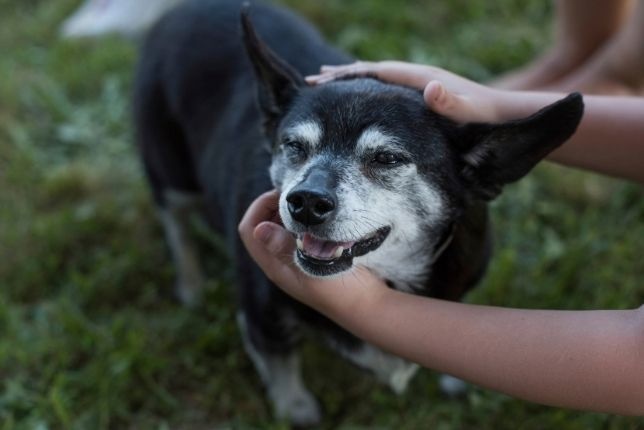
One moment your dog is running full speed at the dog park, and the next they are crying out and refusing to put weight on a leg. Accidents happen fast, and when they do, most owners have no idea whether they are looking at a sprain, a fracture, or something worse. Dog broken bones signs can be subtle at first, or they can be impossible to miss. Either way, delayed treatment puts your pet at serious risk. This guide explains exactly what to look for after a fall, collision, or trauma and how to know when the situation requires same-day veterinary care.
What Happens When a Dog Breaks a Bone?
Fractures in dogs occur when physical force exceeds what the bone can absorb. High-speed impacts, falls from height, being struck by a vehicle, or even rough play with a larger dog can all cause a break. Fractured bone in dogs ranges from a clean, single-line crack to a comminuted fracture where the bone shatters into multiple pieces.
The bone type and location matter a great deal. Long leg bones the femur, tibia, and radius are most commonly fractured. Smaller dogs are at higher risk than larger breeds, simply because their bone density is lower relative to body weight. Studies suggest that toy breeds account for a disproportionate number of fracture cases seen in veterinary practices.
In our experience, many fractures go undetected for hours because owners assume their dog is just sore. That delay can allow fragments to shift, increasing the complexity of repair and the recovery time.
How Can You Tell If a Dog Has a Broken Bone?
Dog broken bones signs vary depending on fracture severity, location, and your dog’s pain tolerance. Watch for these indicators after any trauma or sudden change in your dog’s movement.
- Sudden, severe lameness: A dog limping after fall who refuses to bear any weight on a limb is a major warning sign. This is not a “walk it off” situation.
- Visible deformity: If a leg is bent at an unnatural angle, shortened, or appears crooked, a fracture is very likely.
- Swelling around the injury site: Rapid swelling after a fall or collision often signals internal bleeding around bone tissue.
- Open wound near a limb: Compound fractures break through the skin. Any bone visible through a wound is a critical emergency requiring immediate veterinary attention.
- Grinding or popping sound: A crunching sensation or sound when the limb is gently touched can indicate bone fragments shifting.
- Extreme sensitivity to touch: A dog that cries, snaps, or pulls away when you near a specific limb is communicating pain. Do not push past that reaction.
If you notice any of these signs, contact your veterinarian promptly. Transport your dog as gently as possible and limit movement of the suspected injured limb.
What Causes Broken Bones in Dogs and Which Dogs Are Most at Risk?
Trauma is the leading cause of fractures in dogs. Being hit by a car, jumping from heights, landing wrong during play, and collisions with larger animals or hard objects account for the vast majority of cases. In Aventura and South Florida, high-traffic areas near the beach and dog-friendly parks create real risk for dogs that dart off-leash unexpectedly.
Beyond trauma, some dogs fracture bones more easily due to underlying health conditions. Nutritional deficiencies, bone tumors, and metabolic diseases like hyperparathyroidism can weaken bone structure so that normal activity causes a break. These are called pathologic fractures, and they tend to occur without major trauma.
Age is a factor too. Puppies are more prone to growth plate fractures at the ends of long bones. Senior dogs lose bone density over time, making them more susceptible. One misconception we hear often is that a dog walking on a leg cannot possibly have a broken bone. In reality, some dogs with hairline fractures or incomplete breaks will still bear partial weight and delay in diagnosis worsen the outcome significantly.
How Veterinarians Diagnose and Treat Dog Fractures
Diagnosis begins with a physical examination followed by X-rays to confirm the fracture type, location, and severity. Your vet will assess the full limb and surrounding soft tissue, and in trauma cases, may recommend abdominal or chest imaging to check for internal injuries.
Treatment depends on the fracture type and the individual dog’s age, size, and overall health.
- Stabilization and pain management on arrival
- Full physical exam and X-rays to assess fracture extent
- Imaging of other body areas if trauma was significant
- Surgical repair with plates, pins, or rods for displaced or complex fractures
- Splinting or casting for stable, non-displaced fractures in certain cases
- Pain control protocol and strict rest instructions for recovery
- Follow-up imaging to confirm healing at scheduled intervals
How to tell if dog broke leg becomes clearer once imaging confirms the diagnosis. Your veterinarian will walk you through treatment options and expected recovery timelines based on your dog’s specific situation.
When a Broken Bone Needs Same-Day Veterinary Attention
Some fracture situations cannot wait for a scheduled appointment. Open fractures, where bone is visible through broken skin, need treatment within hours to prevent infection. Any dog that was struck by a vehicle should be evaluated immediately; even if they appear to be walking, internal injuries and shock can mask serious damage in the first hour after trauma.
When to see a vet for a dog injury is straightforward, if your dog has experienced significant trauma, is unable to bear weight, or has visible deformity, do not wait. Amor Animal Hospital provides caring, prompt evaluation for injured dogs. The team can assess fracture severity, manage pain right away, and discuss the best path to recovery for your pet. Call 305-974-5510 if your dog needs urgent care after a fall, accident, or sudden injury; same-day guidance is available.
How to Keep Your Dog Safe and Lower Fracture Risk
Prevention goes a long way. Keeping dogs leashed near roads, supervising off-leash play with larger dogs, using ramps instead of stairs for small breeds, and maintaining a balanced diet that supports bone health all reduce fracture risk meaningfully.
For toy breeds especially, jumping off furniture is a common cause of dog limping after fall. A ramp or dog steps at couch level can prevent the type of impact that causes growth plate and leg fractures in small dogs.
Pet owners often tell us they had no idea how vulnerable their small dog’s bones were until an injury happened. A quick conversation with your vet about your dog’s specific risk factors is always worth the time.
Conclusion
A broken bone is one of the most painful injuries a dog can experience. Knowing the dog’s broken bone signs, sudden lameness, swelling, deformity, or extreme pain after a fall puts you in a position to act fast and get your dog the help they need. Delays can turn a straightforward fracture into a complicated surgical case. Amor Animal Hospital is ready to help injured dogs receive prompt, expert care. Book an appointment today.
Frequently Asked Questions
Q: Can a dog walk on a broken leg?
Ans: Sometimes, yes. Dogs with hairline fractures or incomplete breaks may still bear partial weight. Limping or reluctance to use a limb after a fall always warrants veterinary evaluation.
Q: How long does it take for a dog’s broken bone to heal?
Ans: Healing time varies by fracture type, location, dog age, and treatment method. Most uncomplicated fractures heal within six to twelve weeks with proper care and activity restriction. Your vet will track progress with follow-up X-rays.
Q: What should I do if my dog breaks a bone at home?
Ans: Keep your dog as calm and still as possible. Do not attempt to splint the limb yourself. Transport them gently to your veterinarian or urgent care clinic as soon as possible.
Q: Are some dog breeds more likely to break bones?
Ans: Yes. Toy breeds like Chihuahuas, Pomeranians, and Yorkshire Terriers are at higher risk due to smaller, more delicate bone structure. Senior dogs of any breed also face higher fracture risk due to decreased bone density.
Q: Can a broken bone heal on its own in a dog?
Ans: No. Dog fractures require professional veterinary treatment. Without proper alignment and stabilization, bones can heal incorrectly, causing permanent lameness and chronic pain.
Amor Animal Hospital



Schedule Your Pet’s Visit Today
Your pet’s health and happiness are our top priorities. Schedule an appointment today and experience compassionate, expert care tailored to your furry friend’s needs.