20305 Biscayne Blvd. Aventura, FL 33180

What to Expect and How to Find the Right Cat-Friendly Urgent Care Hospital

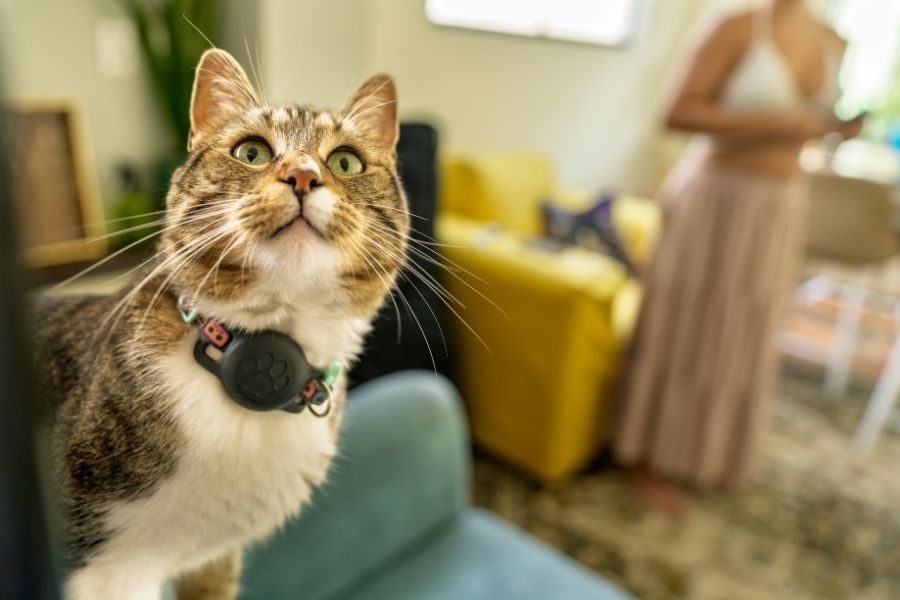
Cats are not small dogs. Their stress responses are different, their communication is subtler, and their tolerance for unfamiliar environments is far lower. When your cat is sick or hurt, finding cat-friendly urgent care is not a luxury; it is a medical necessity. A frightened cat in a chaotic waiting room can spike in blood pressure, mask symptoms, and make examination nearly impossible. Choosing the right clinic can change the outcome of your cat’s visit significantly. This guide breaks down what cat-friendly care actually means in practice, the signs that tell you your cat needs same-day attention, what a well-run visit looks like, and how to identify a clinic that genuinely puts feline comfort at the center of care.
What Makes a Vet Clinic Truly Cat Friendly?
A truly cat-friendly clinic designs its environment and protocols around how cats think and respond to stress. This means separate waiting areas for cats and dogs, exam rooms that do not smell like other animals, and staff trained in low-stress feline handling techniques.
Cat-friendly practices avoid force-based restraint. They use towel wraps, minimal handling, and calm movement to keep cats as relaxed as possible during exams. The difference in how a cat responds to low-stress handling versus traditional restraint is significant. Cats that feel less threatened cooperate more, which means more accurate exams and better diagnostic results.
Look for clinics that have received formal feline-friendly certification or that advertise specific feline handling training for their staff. These details matter when your cat is already unwell and emotionally vulnerable.
Signs Your Cat Needs Urgent Care Today
Recognizing the signs cat needs vet attention can be harder than it sounds. Cats instinctively hide illness, which means by the time a symptom is obvious, the condition may already be advanced.
Watch for these signals:
- Not eating for more than 24 hours: Cats who skip meals, especially overweight cats, are at risk of hepatic lipidosis, a serious liver condition that develops quickly.
- Labored or open-mouth breathing: This is never normal in a cat. It requires same-day evaluation without delay.
- Straining to urinate or crying in the litter box: Urinary blockages in male cats are life-threatening and require immediate veterinary attention.
- Sudden hiding or withdrawal: A normally social cat that disappears for hours is often signaling pain or illness.
- Vomiting more than twice in a day: Occasional vomiting is common, but repeated episodes point to something that needs assessment.
Pet owners often tell us they waited a day or two to see if things improved. With cats, that delay carries real risk. Their conditions can deteriorate faster than most owners expect.
What Happens During an Urgent Cat Visit?
A well-organized urgent visit for a cat follows a process designed to minimize stress from the moment you arrive.
- Arrival and check-in: Staff should ask whether your cat can go directly to a quiet exam room rather than waiting in the general lobby.
- Stress assessment: A good clinic notes your cat’s stress level before beginning any handling.
- Physical examination: The vet checks temperature, heart rate, respiratory rate, abdomen, and hydration status.
- Diagnostics: Blood work, urinalysis, and imaging may be recommended based on the exam findings.
- Treatment plan discussion: You receive a clear explanation of findings and options before any treatment begins.
- Discharge instructions: You leave with written care instructions and a follow-up plan.
Many cats we see in Aventura come in for urgent issues that their owners had noticed but were unsure about. Stressed cat vet visit experiences improve dramatically when the clinic has a clear feline-first protocol. If a clinic does not seem to have one, that is useful information.
Why South Florida Heat Adds Urgency for Indoor Cats
South Florida’s climate creates year-round risks for cats that owners may not immediately connect to their pet’s symptoms. High indoor temperatures from power outages or malfunctioning air conditioning can cause rapid dehydration in cats. Cats are also more sensitive to environmental toxins brought inside on shoes, bags, or through open windows.
In warm, humid climates like Aventura, cats that go outdoors even briefly face exposure to insects, wildlife, and heat-related stress. Indoor cats are not immune to these risks, since their environment is constantly influenced by outdoor conditions.
A common misconception is that indoor cats are safe from most health threats. Cats that never go outside still develop kidney disease, hyperthyroidism, dental infections, and stress-related urinary issues at high rates. Cat anxiety at vet visits often increases when cats feel unwell, so addressing symptoms early leads to calmer, more manageable visits later.
How to Find the Right Urgent Care for Your Cat
Not every veterinary clinic offers the same level of feline-focused care. Asking the right questions before a crisis helps you identify your best option in advance.
Ask whether the clinic has a separate waiting area or can take cats directly to an exam room. Ask how staff handles cats that are frightened or resistant. Ask whether same-day appointments are available for urgent situations.
Amor Animal Hospital provides urgent care for cats with the kind of calm, feline-aware approach that makes a real difference in outcomes. The team understands how to read feline stress signals and how to keep exams as low-pressure as possible. If your cat is showing signs of distress or illness, call us at 305-974-5510. Reaching out quickly gives your cat a better chance at a smoother recovery.
Urgent care for cats should never feel rushed or dismissive. A clinic that respects your cat’s nature as a species will take both the medical and emotional dimension of the visit seriously.
Preparing Your Cat for an Urgent Visit
A little preparation at home can reduce your cat’s stress and help the vet gather more useful information.
Keep your cat’s carrier out as a familiar resting spot so it is not only associated with vet trips. Line it with a worn piece of your clothing for scent comfort. During transport, cover the carrier with a light blanket to reduce visual stimulation.
Write down what you observed before the visit: when symptoms started, what changed, and how long it has been going on. Vets gather critical information from this history. Your observations about signs cat needs vet attention are often as valuable as the physical exam itself.
Conclusion
Finding the right cat-friendly urgent care before you need it is one of the smartest things a cat owner can do. Knowing which clinic understands feline behavior, provides low-stress handling, and can see your cat the same day removes a layer of panic from an already stressful situation. Cats communicate differently, tolerate stress differently, and need care designed with those differences in mind. When your cat shows signs that something is wrong, acting quickly and choosing the right clinic gives them the best possible outcome. Amor Animal Hospital is here for those moments. Book an appointment today.
Frequently Asked Questions
Q: How do I know if my cat needs urgent care or can wait for a regular appointment?
Ans: If your cat is not breathing normally, has not eaten in over 24 hours, is straining to urinate, or seems suddenly lethargic or confused, those are same-day situations. When in doubt, call your vet and describe what you are seeing.
Q: Why does my cat act so stressed at the vet?
Ans: Cats are territorial and highly sensitive to unfamiliar smells, sounds, and handling. Clinics with feline-friendly protocols can significantly reduce this stress through low-stimulation environments and calm handling techniques.
Q: Can a cat hide symptoms of illness?
Ans: Yes, very effectively. Cats evolved to conceal vulnerability, which means illness often becomes visible only after it has progressed. Changes in appetite, grooming, litter box habits, or social behavior are early signals worth investigating.
Q: What should I bring to my cat’s urgent vet visit?
Ans: Bring your cat in a secure, covered carrier. If possible, bring a list of current medications or supplements, and describe what you observed at home including when symptoms started and any recent changes to food or environment.
Q: Is open-mouth breathing in a cat serious?
Ans: Yes. Unlike dogs, cats do not pant to cool down. Open-mouth breathing in a cat almost always signals respiratory distress, heatstroke, or extreme stress and requires immediate veterinary evaluation.
Amor Animal Hospital



Schedule Your Pet’s Visit Today
Your pet’s health and happiness are our top priorities. Schedule an appointment today and experience compassionate, expert care tailored to your furry friend’s needs.