20305 Biscayne Blvd. Aventura, FL 33180

Urgent Care for Pugs: Breathing and Eye Issues That Need Fast Attention

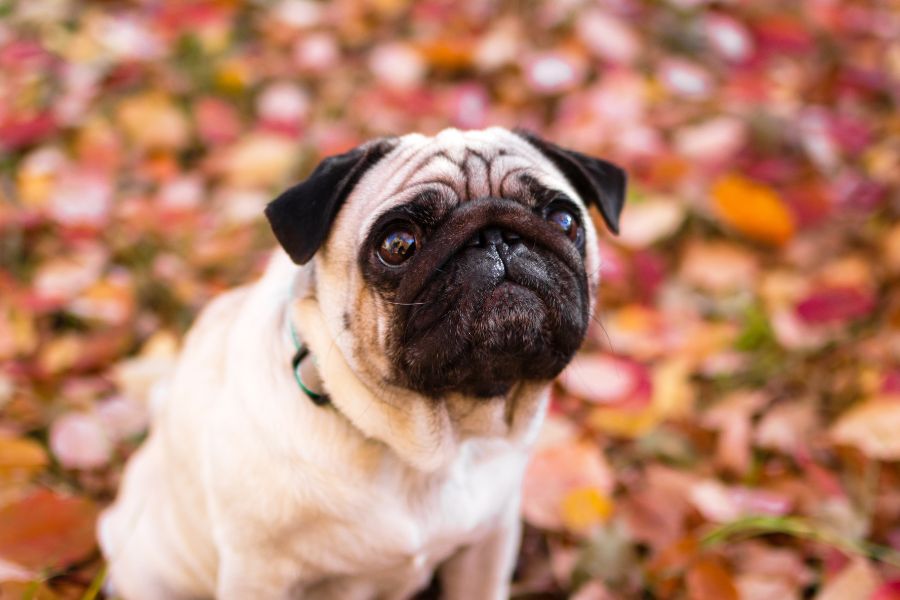
A pug gasping for air or pawing at a swollen eye is one of the most alarming sights a pet owner can face. Because of their flat faces and prominent eyes, pugs are prone to breathing and eye issues that can escalate faster than in other breeds. What looks like a minor snore or a little tearing can sometimes signal a real problem underneath. Knowing which signs mean “watch closely” and which mean “go now” can make all the difference for a pug’s comfort and safety. This guide breaks down the warning signs, what a visit typically involves, and how the local climate plays a role in keeping these sensitive pups healthy year-round.
Why Pug Airways and Eyes Work Overtime
Pugs belong to a group of breeds known as brachycephalic, meaning they have short skulls and flattened faces. This structure squeezes the same amount of airway tissue into a much smaller space, which makes normal breathing more effortful than it is for longer-nosed dogs. Estimates suggest that a large share of pugs show at least some degree of airway narrowing severe enough to affect daily comfort.
Their large, shallow eye sockets create a similar vulnerability. Pug eyes sit more exposed than in most breeds, so they’re more prone to scratches, dryness, and irritation. Brachycephalic breathing difficulty and eye sensitivity often show up together, since a pug straining to breathe may also paw at its face or rub its eyes on furniture, adding to the risk of injury.
Pug Health Warning Signs That Mean It’s Time to Call
Not every snort or squint is an emergency, but certain signs point to something that needs prompt attention. In our experience, pug owners often wait a day or two hoping symptoms resolve on their own, which can allow a treatable issue to worsen.
- Loud, labored breathing at rest — breathing that sounds strained even when the pug is calm and not exercising
- Blue or pale gums — a sign the body isn’t getting enough oxygen
- Sudden eye cloudiness or a visible scratch — often mistaken for simple irritation but can threaten vision quickly
- Excessive pawing at the face — usually a response to pain, not just an itch
- Collapse or extreme lethargy after mild activity — a strong signal the airway can’t keep up with demand
These pug health warning signs shouldn’t be brushed off, especially in warmer months when breathing already takes more effort. If you notice any of these signs, contact your veterinarian promptly.
How Do I Know If My Pug’s Breathing Is an Emergency?
If your pug is breathing with an open mouth at rest, showing blue-tinged gums, or has collapsed after light activity, treat it as urgent and seek care immediately. These signs mean the airway is struggling to deliver enough oxygen, and delay can allow the situation to worsen quickly. A same day vet visit is the safest choice whenever breathing looks labored rather than simply noisy.
What Happens During an Urgent Care for Pugs Visit
Walking in with a struggling pug can feel overwhelming, so knowing the process ahead of time helps. Here in Aventura, our team moves quickly for pugs showing breathing distress, since minutes matter with this breed.
- Triage at arrival — a technician checks breathing rate, gum color, and temperature within moments of walking in
- Oxygen support if needed — pugs in distress are often placed in a cool, oxygen-rich space to reduce strain before any handling
- Focused exam — the vet listens to airway sounds and checks the eyes for scratches, dryness, or swelling
- Discussion of next steps — you’ll hear what’s likely happening and what treatment or monitoring is recommended
Pet owners often tell us that seeing this structured process eases the panic of an unexpected pug health scare. Every pug that comes through our doors in Aventura gets handled with that same urgency, since we know how quickly brachycephalic breathing difficulty can shift from mild to severe.
Why Florida Heat Makes Breathing and Eye Issues Worse for Pugs
A common misconception is that pug breathing problems only happen during exercise or excitement. In reality, heat and humidity alone can trigger real distress, even with a pug lying still on the porch. Because pugs can’t cool themselves as efficiently as longer-nosed breeds, they rely more heavily on panting, and thick, humid air makes that job harder.
In Florida, we see this more often because the combination of heat and moisture keeps airways working overtime for much of the year. Eye irritation tends to climb too, since dust, pollen, and sun exposure in Aventura’s warm climate can dry out eyes that are already more exposed than average. Limiting outdoor time during peak heat and keeping pugs in air-conditioned spaces go a long way toward preventing flare-ups.
Trusted Pug Urgent Care Close to Home
When a pug’s breathing sounds wrong, or an eye suddenly looks off, waiting to see if it improves isn’t worth the risk. At Amor Animal Hospital, our team has seen firsthand how quickly brachycephalic breathing difficulty can turn into a true emergency, and we treat every pug with that urgency in mind.
Pet urgent care for a breed this sensitive means having a team that recognizes subtle warning signs other clinics might miss. Located in Aventura, our hospital is equipped to handle both breathing distress and eye injuries without the wait of a scheduled appointment. Call us at 305-614-7260 when your pug needs urgent care, day or night.
Pugs depend on their owners to catch trouble early, since their flattened faces leave little room for error. Watching for labored breathing, pale gums, or sudden eye changes helps you act before a small issue becomes a crisis. Understanding breathing and eye issues in this breed means knowing that “a little off” can mean a lot for a pug. Amor Animal Hospital is here to help pug owners respond quickly and confidently whenever something seems wrong. Book an appointment today.
Frequently Asked Questions
Q: Why do pugs breathe so loudly?
Ans: Pugs have short, flattened skulls that narrow their airways compared to longer-nosed breeds, causing snorting and noisy breathing even when healthy. Loud breathing that appears suddenly or worsens at rest should be checked by a vet.
Q: Can pugs get eye infections easily?
Ans: Yes, pugs’ large, shallow eye sockets leave their eyes more exposed to dust, scratches, and dryness than most breeds. Redness, discharge, or squinting that lasts more than a day warrants a vet visit.
Q: How do I cool down an overheating pug?
Ans: Move the pug to a cool, shaded, or air-conditioned space immediately and offer small amounts of water. If breathing doesn’t improve within a few minutes or the pug seems weak, veterinary care is needed right away.
Q: What causes a pug’s eye to bulge more than usual?
Ans: Increased pressure from straining, coughing, or an underlying eye condition can cause a pug’s eye to appear more prominent than normal. This should always be evaluated by a vet, since pug eyes are prone to serious complications.
Q: Are pug breathing problems something they’re just born with?
Ans: Many pugs are born with some degree of airway narrowing due to their brachycephalic skull shape, but severity varies widely between individual dogs. Weight management and avoiding heat exposure can help reduce breathing strain even in mild cases.
Amor Animal Hospital
Schedule Your Pet’s Visit Today
Your pet’s health and happiness are our top priorities. Schedule an appointment today and experience compassionate, expert care tailored to your furry friend’s needs.