20305 Biscayne Blvd. Aventura, FL 33180

7 Weird Behaviors That Mean Your Dog Has a UTI

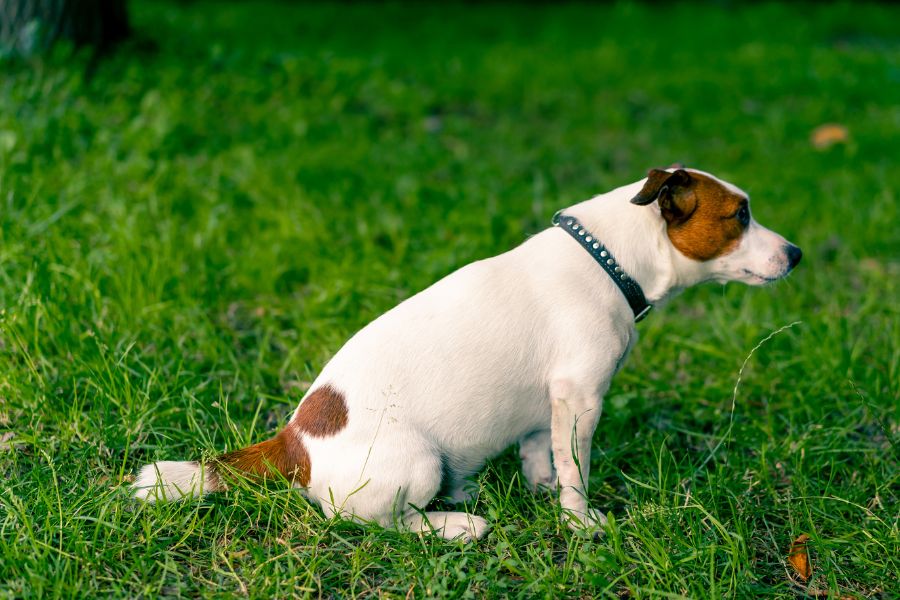
A dog UTI (urinary tract infection) can show up in ways many pet owners don’t expect. While frequent urination is a well-known sign, several unusual behaviors may signal that your dog is dealing with discomfort or a dog bladder infection. In this guide, we’ll break down 7 weird behaviors that could indicate a UTI, explain why they happen, and when to seek dog UTI treatment. Understanding these early signs can help you get timely diagnostic care for your dog and prevent more serious health issues.
What Is a Dog UTI and Why Does It Matter?
A dog UTI occurs when bacteria enter the urinary tract, leading to infection in the bladder or urethra. This condition is quite common, especially in older dogs, female dogs, or pets with underlying health issues.
If left untreated, a simple dog bladder infection can spread to the kidneys and cause more serious complications. That’s why recognizing subtle or unusual signs is so important for early dog UTI treatment.
1. Suddenly Having Accidents in the House
If your well-trained dog starts having accidents indoors, it could be more than a behavioral issue.
Dogs with a dog UTI often feel a constant urge to urinate, even if their bladder isn’t full. This urgency can make it difficult for them to hold it in, leading to unexpected accidents.
What to watch for:
- Small puddles around the house
- Accidents right after being outside
- Signs of distress while urinating
2. Excessive Licking of the Genital Area
Dogs naturally groom themselves, but excessive licking can be a red flag.
A dog bladder infection can cause irritation and discomfort, leading your dog to lick the area frequently in an attempt to soothe it.
Why it matters:
- Can worsen irritation
- May lead to secondary infections
- Indicates underlying discomfort
3. Straining or Taking Longer to Pee
Another unusual sign of a dog UTI is difficulty urinating.
Your dog may squat for longer periods or strain without producing much urine. This happens because inflammation in the urinary tract makes it harder to pass urine comfortably.
Look for:
- Multiple attempts to urinate
- Minimal urine output
- Signs of pain or whining
4. Strong or Unusual Urine Odor
A noticeable change in urine smell is often overlooked but can be a key sign of a dog bladder infection.
Infections can cause urine to have a strong, foul odor due to bacterial buildup.
Other changes may include:
- Cloudy urine
- Darker color than usual
- Presence of blood (in severe cases)
If you notice these signs, it’s time to consider diagnostic care for dogs to confirm the issue.
5. Increased Thirst (Drinking More Water Than Usual)
If your dog suddenly starts drinking more water, it could be their body trying to flush out bacteria from a dog UTI.
While increased thirst can be linked to other conditions too, when combined with urinary changes, it strongly points toward infection.
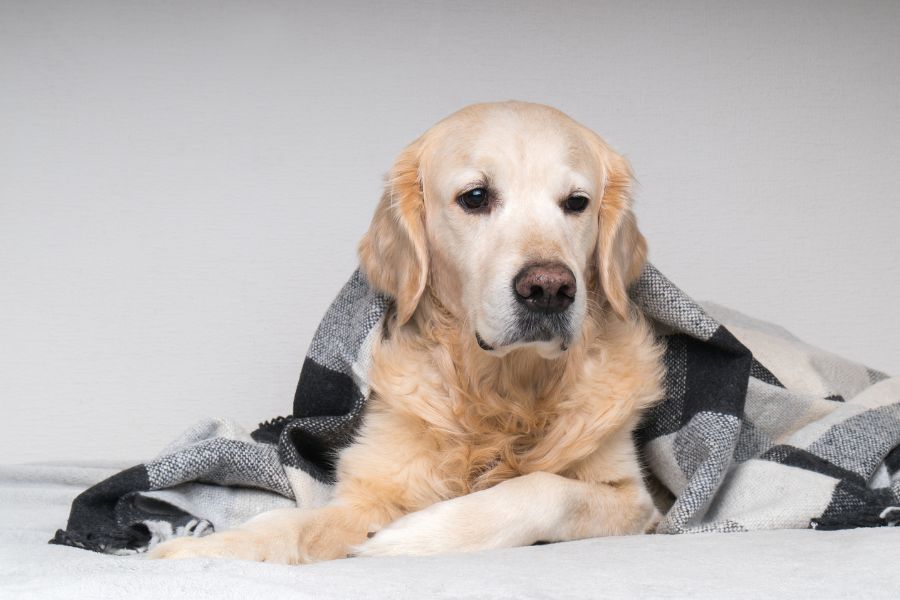
6. Low Energy or Unusual Lethargy
UTIs don’t just affect the bladder; they can impact your dog’s overall energy levels.
A dog dealing with a dog bladder infection may seem tired, less playful, or uninterested in activities they usually enjoy.
Signs of lethargy include:
- Sleeping more than usual
- Avoiding walks or playtime
- Reduced appetite
This is your dog’s way of signaling that something isn’t right.
7. Whining or Signs of Discomfort
Dogs with a dog UTI may vocalize more than usual, especially when trying to urinate.
Whining, restlessness, or pacing can indicate pain or discomfort in the urinary tract.
Behavioral clues:
- Crying while urinating
- Nervous or restless behavior
- Avoiding certain positions
What Causes a Dog UTI?
Understanding the causes can help you prevent future infections. Common causes include:
- Bacterial infections entering through the urethra
- Poor hygiene or grooming
- Bladder stones
- Diabetes or a weakened immune system
- Holding urine for too long
In humid areas, where dogs often spend time outdoors, moisture can sometimes contribute to bacterial growth, increasing the risk of infection.
How Is a Dog UTI Diagnosed?
Proper diagnostic care is essential for accurate treatment. A veterinarian may recommend:
- Urinalysis: Checks for bacteria, blood, and crystals
- Urine culture: Identifies the exact bacteria causing infection
- Ultrasound or X-rays: Detects stones or structural issues
Early diagnosis ensures effective dog UTI treatment and prevents complications.
Dog UTI Treatment Options
Treatment depends on the severity of the infection. Common dog UTI treatment methods include:
- Antibiotics: The most common and effective treatment
- Increased hydration: Helps flush out bacteria
- Diet changes: Supports urinary health
- Pain relief medications: For comfort
In most cases, dogs recover quickly with proper care. However, completing the full course of medication is crucial to prevent recurrence.
Tips to Prevent Dog UTIs
Prevention is always better than a cure. Here are practical tips to reduce the risk of a dog UTI:
- Ensure your dog has regular bathroom breaks
- Provide clean, fresh water at all times
- Maintain proper hygiene, especially for long-haired breeds
- Schedule regular vet checkups
- Keep your dog’s living environment clean
Routine visits to a trusted clinic like Amor Animal Hospital in Aventura can help detect early signs and maintain your dog’s urinary health.
Conclusion
A dog UTI can present in subtle and unexpected ways, from indoor accidents to unusual licking and low energy. Recognizing these 7 weird behaviors early can make a big difference in your dog’s health and comfort. Prompt dog UTI treatment and proper diagnostic care can prevent complications and ensure a quick recovery.
If you notice any of these signs in your dog, don’t wait. Schedule a veterinary checkup at Amor Animal Hospital today to keep your furry companion healthy and happy.
FAQs
Q1: How do I know if my dog has a UTI?
Ans: Common signs of a dog UTI include frequent urination, accidents in the house, strong-smelling urine, and excessive licking of the genital area.
Q2: Can a dog’s UTI go away on its own?
Ans: No, most UTIs require proper dog UTI treatment, usually antibiotics, to fully clear the infection.
Q3: How long does it take for a dog to recover from a UTI?
Ans: With treatment, most dogs recover within 7–14 days, depending on the severity of the infection.
Q4: What is the main cause of a dog’s bladder infection?
Ans: Bacterial infection is the most common cause of a dog bladder infection, often entering through the urethra.
Q5: When should I take my dog to the vet for a UTI?
Ans: You should seek diagnostic care for dogs as soon as you notice symptoms like straining, blood in urine, or unusual behavior.
Amor Animal Hospital
Schedule Your Pet’s Visit Today
Your pet’s health and happiness are our top priorities. Schedule an appointment today and experience compassionate, expert care tailored to your furry friend’s needs.