20305 Biscayne Blvd. Aventura, FL 33180

Foreign Body Surgery for Pets: Is It Too Dangerous for Pets?

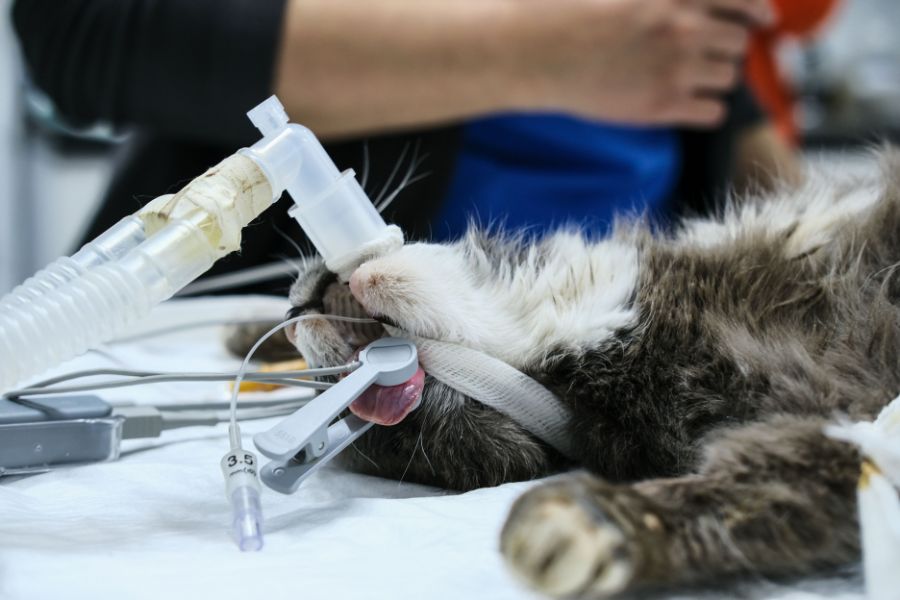
When a pet swallows something it shouldn’t, it can quickly turn into a medical emergency. Foreign body surgery for pets is a common veterinary procedure used to remove dangerous objects that dogs or cats accidentally ingest. From toys and socks to string or bones, these items can cause serious blockages in the digestive system.
In this guide, you will learn when foreign body surgery for pets becomes necessary, how risky the procedure is, what the recovery process looks like, and how veterinary teams keep pets safe during surgery.
What Is Foreign Body Surgery for Pets?
Foreign body surgery for pets is a procedure performed when an animal swallows an object that cannot pass safely through the digestive system. These objects can become lodged in the stomach, intestines, or esophagus, creating a life-threatening blockage.
Common items pets swallow include:
- Socks or small clothing items
- Rubber toys or plastic pieces
- String, thread, or yarn
- Bones or corn cobs
- Hair ties or rubber bands
- Small household objects
Dogs are especially prone to swallowing unusual items because they explore the world with their mouths. Cats, on the other hand, often ingest strings or ribbon-like materials during play.
If a dog swallowed a foreign object or a cat swallowed a foreign object, quick veterinary care is critical to avoid complications like intestinal obstruction or tissue damage.
Signs Your Pet Swallowed Something Dangerous
Pets cannot tell us what happened, so recognizing symptoms early can save their life. When a pet swallows something dangerous, you may notice several warning signs.
Common Symptoms
- Repeated vomiting
- Loss of appetite
- Lethargy or weakness
- Abdominal pain or bloating
- Constipation or inability to pass stool
- Drooling or gagging
- Straining during bowel movements
Sometimes symptoms appear within hours, but in other cases they develop gradually over a few days.
If you suspect your dog swallowed a foreign object or your cat swallowed a foreign object, it is important to contact a veterinarian immediately. Waiting can allow the object to cause internal damage or blockage.
When Is Foreign Body Removal Surgery Necessary?
Not every swallowed object requires surgery. In some cases, veterinarians can remove the item without surgery or allow it to pass naturally.
However, foreign body removal surgery becomes necessary when:
- The object is too large to pass through the intestines
- The item is sharp or toxic
- There is a complete intestinal blockage
- The object has been stuck for too long
- The pet is showing severe symptoms
Veterinarians usually perform diagnostic tests first, including:
- X-rays
- Ultrasound imaging
- Blood tests
- Physical examination
These tests help determine the location and size of the object and guide the best treatment plan.
Is Foreign Body Surgery Dangerous for Pets?
Pet owners often worry about surgery risks, but in reality, foreign body surgery for pets is a routine procedure in veterinary medicine.
Typical Surgical Process
The procedure generally includes several steps:
- Pre-surgical evaluation
The veterinarian checks blood work and hydration levels to ensure the pet is stable for anesthesia. - General anesthesia
The pet is safely anesthetized, so they feel no pain during the procedure. - Surgical removal
The veterinarian makes a small incision in the stomach or intestine to remove the object. - Repair and closure
The digestive tract is repaired, and the surgical site is closed carefully.
Veterinary clinics use advanced monitoring equipment to track:
- Heart rate
- Oxygen levels
- Blood pressure
- Body temperature
Because of these precautions, complications are relatively uncommon when surgery is performed promptly.
Risk Factors
Risks may increase if:
- The object caused intestinal damage
- The pet waited too long before treatment
- The object punctured the digestive tract
- Infection has developed
Early diagnosis dramatically improves success rates.
What Happens After Pet Surgical Care?
Recovery is an important part of pet surgery. Most pets stay at the clinic for observation for 24 to 48 hours after surgery. During this time, veterinary teams monitor pain levels, hydration, and digestion.
Typical Recovery Timeline
First 24 hours
- IV fluids
- Pain medication
- Monitoring for complications
First week
- Soft food diet
- Limited physical activity
- Medication for pain and infection
10 to 14 days
- Stitches or staples removed
- Gradual return to normal routine
Most pets recover fully if the surgery occurs before severe damage develops.
Possible Complications After Surgery
Although the procedure is generally safe, pet owners should monitor their pet carefully after foreign body surgery for pets.
Contact your veterinarian if you notice:
- Persistent vomiting
- Refusal to eat
- Swelling or discharge at the incision site
- Fever or extreme lethargy
- Diarrhea lasting more than a day
These symptoms may indicate infection or healing complications that require prompt care.
Fortunately, most pets recover smoothly with proper pet surgical care and follow-up visits.
How to Prevent Foreign Object Ingestion
Preventing the problem is always better than treating it. Many cases of foreign body removal surgery occur because pets have access to small or chewable items.
Prevention Tips
Pet owners can reduce risks by:
- Keeping socks, toys, and small objects out of reach
- Supervising pets during playtime
- Choosing durable pet-safe toys
- Avoiding bones or unsafe chew items
- Storing string, thread, and ribbons securely
- Using covered trash bins
Training dogs with commands like “leave it” can also help prevent them from swallowing dangerous objects.
For cats, keeping string-like items away is especially important since they are often attracted to these materials.
When to Seek Emergency Veterinary Care
If you believe your pet swallowed something dangerous, immediate veterinary care is the safest choice.
Do not attempt home remedies such as inducing vomiting without veterinary guidance. Certain objects can cause severe damage if forced back up.
Emergency treatment is especially important if:
- The pet is vomiting repeatedly
- There is abdominal swelling
- The pet appears weak or in pain
- The object swallowed was sharp or toxic
Early treatment can sometimes avoid surgery altogether.
Conclusion
Foreign body surgery for pets may sound frightening, but it is a common and often life-saving procedure. When a dog swallows a foreign object or a cat swallows a foreign object, prompt veterinary care helps prevent severe digestive complications and greatly improves recovery chances.
With modern monitoring, skilled surgical techniques, and proper pet surgical care, most pets recover quickly and return to normal life. If you suspect your pet swallowed something dangerous, scheduling an appointment with a veterinary professional right away can make all the difference. If your pet ever faces this emergency, the vet team at Amor Animal Hospital in Aventura is ready to provide safe, compassionate surgical care.
FAQs
Q1: How do I know if my dog swallowed a foreign object?
Ans: Common signs include vomiting, loss of appetite, abdominal pain, and lethargy. If symptoms appear suddenly, contact a veterinarian immediately.
Q2: Can a cat pass a swallowed object naturally?
Ans: Some small objects may pass through the digestive system, but strings or sharp items often require medical treatment or surgery.
Q3: How long does foreign body surgery for pets take?
Ans: Most procedures take about 1 to 2 hours, depending on the location and size of the object.
Q4: What is the recovery time after foreign body removal surgery?
Ans: Most pets recover within 10 to 14 days, though activity restrictions and monitoring are required during the healing period.
Q5: Can foreign object ingestion be prevented in pets?
Ans: Yes. Keeping small items out of reach, supervising playtime, and providing safe chew toys can significantly reduce the risk.
Amor Animal Hospital
Related Articles
Schedule Your Pet’s Visit Today
Your pet’s health and happiness are our top priorities. Schedule an appointment today and experience compassionate, expert care tailored to your furry friend’s needs.