20305 Biscayne Blvd. Aventura, FL 33180

Cat Dental Care Guide: How Much Do You Know About Your Cat’s Teeth


Cat dental care is one of the most important yet commonly ignored aspects of pet health. Many cat owners assume their feline’s teeth will stay healthy on their own, but dental disease can develop silently and lead to serious complications. In this complete guide, we’ll cover everything about cat teeth cleaning, feline dental health, cat tooth decay, and building an effective cat oral hygiene routine to help your cat live a healthier, pain-free life.
Why Cat Dental Care Is So Important
Your cat’s dental health directly impacts their overall well-being. Poor feline dental health can cause pain, infection, and even life-threatening conditions if left untreated.
Here’s why regular cat dental care should never be skipped:
- Prevents plaque and tartar buildup
- Reduces the risk of cat tooth decay and gum disease
- Prevents bad breath and oral discomfort
- Stops bacteria from spreading to organs like the heart and kidneys
- Helps your cat eat comfortably and maintain proper nutrition
In humid areas, bacteria tend to grow faster, which increases the risk of dental issues. That’s why maintaining a strong cat oral hygiene routine is especially important for local pet owners.
Understanding Your Cat’s Teeth
Cats have 30 adult teeth, each designed for tearing and chewing food. Unlike humans, cats don’t typically develop cavities in the same way, but they are still highly prone to gum disease and plaque buildup.
Key facts about feline teeth:
- Kittens lose baby teeth around 3–6 months of age
- Adult cats rely heavily on sharp teeth for eating
- Plaque can begin forming within hours after eating
- Without proper cat dental care, tartar hardens quickly and leads to disease
Understanding how your cat’s teeth function helps you take better care of their oral health.
Common Dental Problems in Cats
Dental issues are extremely common in cats, especially as they age.
Periodontal Disease
This is the most widespread dental condition affecting feline dental health. It begins with plaque and progresses to infection, gum recession, and tooth loss.
Cat Tooth Decay
Although less common than in humans, cat tooth decay still occurs due to bacterial buildup and poor hygiene.
Gingivitis
Inflamed, red gums are often the first sign that your cat needs better cat dental care.
Tooth Resorption
A painful condition where the tooth structure begins to break down internally. This often requires extraction.
Oral Infections
If left untreated, dental disease can lead to serious infections that impact your cat’s overall health.
Signs Your Cat May Have Dental Problems
Cats are masters at hiding pain, so it’s important to recognize subtle warning signs.
Look for:
- Persistent bad breath
- Drooling or difficulty swallowing
- Pawing at the mouth
- Bleeding or swollen gums
- Yellow or brown tartar buildup
- Decreased appetite or weight loss
- Avoiding hard food
These symptoms often indicate the need for immediate veterinary dental care.
How to Build a Cat Oral Hygiene Routine
Creating a consistent cat oral hygiene routine is the best way to prevent dental problems.
1. Brushing Your Cat’s Teeth
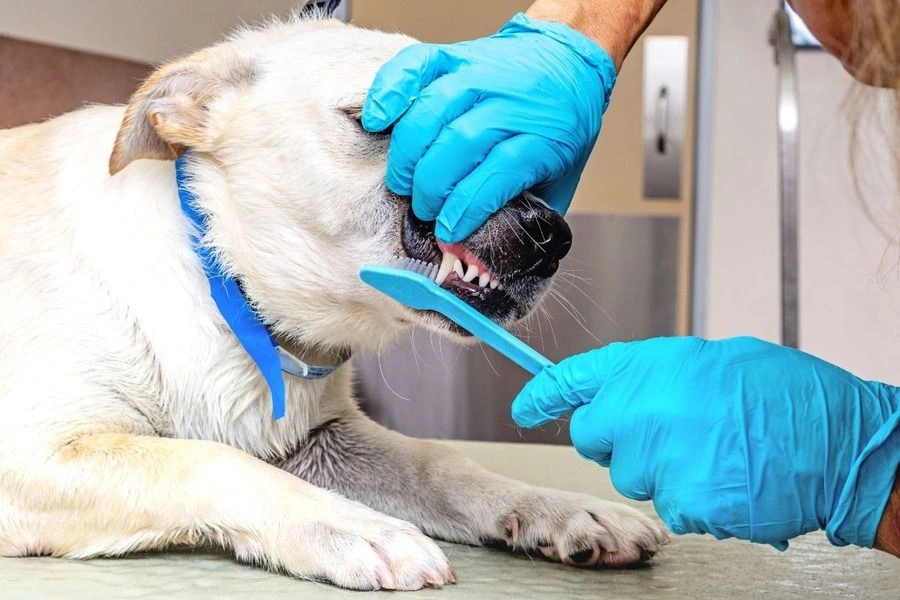
Brushing is the gold standard for cat dental care.
- Use a cat-specific toothbrush and toothpaste
- Start slowly and gently
- Aim for brushing at least 2–3 times per week
2. Dental Treats
Dental treats are designed to reduce plaque and tartar buildup while your cat chews.
3. Dental Toys
Chewing on dental toys helps clean teeth naturally and supports feline dental health.
4. Water Additives
These products help reduce bacteria in your cat’s mouth and are a great supplement to brushing.
5. Dental Diets
Some cat foods are specially formulated to support cat teeth cleaning and reduce plaque.
Consistency is key. Small daily habits can make a big difference.
Professional Cat Teeth Cleaning: What to Expect
Even with the best at-home care, professional cat teeth cleaning is essential.
The Cleaning Process
- Your cat is placed under anesthesia for safety
- Teeth are cleaned thoroughly above and below the gum line
- Tartar and plaque are removed
- Dental X-rays may be taken to detect hidden problems
Frequency of Cleaning
Most cats need professional cleaning once a year, though some may require more frequent visits depending on their condition.
Routine dental care ensures early detection of problems and prevents severe disease.
The Cost of Ignoring Cat Dental Care
Skipping cat dental care may save money in the short term, but it often leads to expensive treatments later.
Possible consequences include:
- Tooth extractions
- Chronic oral pain
- Severe infections
- Organ damage
- Emergency veterinary visits
Preventive care is always more affordable and far less stressful for your pet.
Tips to Make Cat Teeth Cleaning Easier
Many cat owners struggle with brushing, but it becomes easier with practice.
Try these tips:
- Start dental care when your cat is young
- Use flavored toothpaste to make brushing enjoyable
- Keep sessions short and positive
- Reward your cat after each session
- Be patient and consistent
Building trust is essential for a successful cat oral hygiene routine.
When to Visit the Veterinarian
Routine dental checkups are a critical part of feline dental health.
Schedule a visit if:
- Your cat hasn’t had a dental exam in over a year
- You notice signs of cat tooth decay
- Your cat refuses food or eats less
- There is visible tartar or gum inflammation
Early intervention through professional veterinary dental care can prevent serious health issues. Many local veterinarians report that dental disease is one of the most common preventable conditions in cats. At Amor Animal Hospital, routine dental exams and cleanings are strongly recommended to keep cats healthy and avoid costly treatments later.
By staying proactive, Aventura pet owners can ensure their cats maintain strong feline dental health year-round.
Conclusion
Taking care of your cat’s teeth is essential for their overall health and happiness. A proper cat dental care plan that includes regular cat teeth cleaning, a consistent cat oral hygiene routine, and professional veterinary dental care can prevent serious health issues and improve your cat’s quality of life.
Don’t wait for symptoms to appear; early prevention is the key to maintaining strong feline dental health. Schedule an appointment at Amor Animal Hospital today and give your cat the best care they deserve.
FAQs
Q1: How often should I brush my cat’s teeth?
Ans: You should brush your cat’s teeth at least 2–3 times per week to maintain proper cat dental care and reduce plaque buildup.
Q2: Is bad breath normal in cats?
Ans: No, bad breath is usually a sign of poor feline dental health or underlying dental disease and should be checked by a veterinarian.
Q3: Do cats need professional teeth cleaning every year?
Ans: Yes, most cats benefit from annual cat teeth cleaning to prevent tartar buildup and detect early dental issues.
Q4: What are early signs of cat tooth decay?
Ans: Early signs include bad breath, gum redness, drooling, difficulty eating, and visible tartar on the teeth.
Q5: Can dental disease affect my cat’s overall health?
Ans: Yes, untreated dental disease can spread bacteria to vital organs like the heart and kidneys, leading to serious health complications.
Amor Animal Hospital


Schedule Your Pet’s Visit Today
Your pet’s health and happiness are our top priorities. Schedule an appointment today and experience compassionate, expert care tailored to your furry friend’s needs.