20305 Biscayne Blvd. Aventura, FL 33180

Cat Eating Grass: Normal Behavior or Warning Sign?

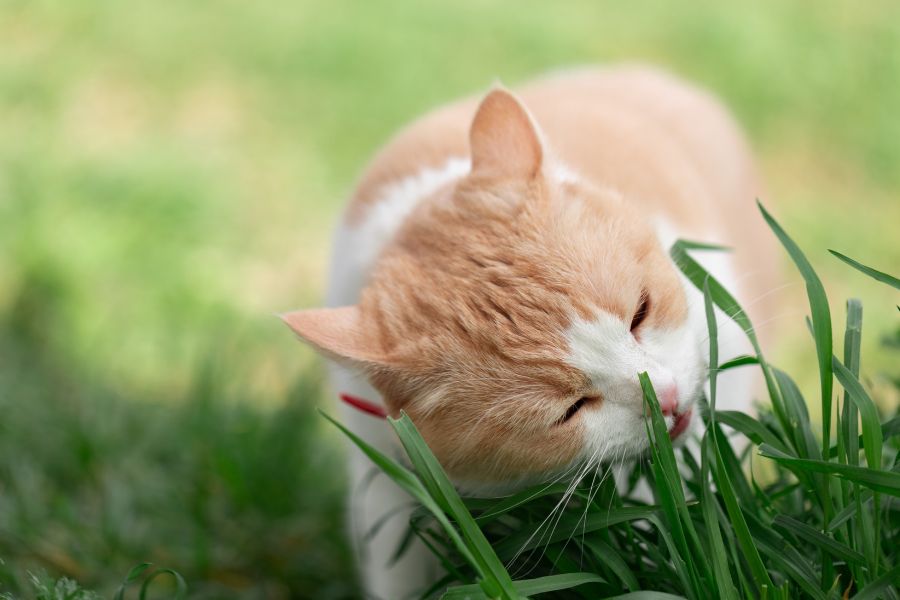
If you’ve ever caught your cat nibbling on grass, you’re not alone. Cat eating grass is a common behavior that often leaves pet owners wondering whether it’s completely normal or a sign of an underlying issue. While many cats engage in this habit without any problems, there are times when it may indicate digestive discomfort or nutritional imbalance. In this guide, we’ll explore why cats eat grass, when it’s harmless, and when it’s time to seek veterinary care—so you can better understand and support your cat’s health.
Why Do Cats Eat Grass?
At first glance, it may seem strange that a meat-loving animal would show interest in plants. However, cat eating grass is rooted in instincts and biological needs that date back to their wild ancestors.
Instinct from the Wild
In the wild, cats consume entire prey animals, including stomach contents that often contain plant material. This exposure to vegetation may explain why domesticated cats still have an instinct to chew on grass, even if they don’t rely on it for survival.
Supports Digestive Health
Grass can act as a natural digestive aid. Many cats eat grass to help regulate their digestive system. It may:
- Encourage bowel movements
- Help pass indigestible materials like fur
- Provide relief from mild stomach discomfort
Some cats will vomit after eating grass, which can help clear irritants from their stomach.
Provides Essential Nutrients
Grass contains small amounts of nutrients such as folic acid, which plays a role in oxygen transport in the bloodstream. While commercial cat food is typically well-balanced, some cats may still seek out grass as a supplemental source.
Is Cat Eating Grass Normal?
Yes, in most cases, a cat eating grass is completely normal. Many healthy cats occasionally nibble on grass without experiencing any negative effects.
Signs Your Cat’s Behavior Is Normal:
- Eats grass occasionally, not excessively
- Maintains a healthy appetite
- Displays normal energy levels
- Shows no signs of illness
For pet owners, where greenery is abundant year-round, it’s common to see cats exploring and tasting grass during outdoor time or even seeking indoor plant alternatives.
Why Do Cats Throw Up After Eating Grass?
One of the most common concerns about cats eating grass is the vomiting that sometimes follows. While it may look alarming, it’s often a natural response.
Lack of Digestive Enzymes
Cats don’t have the enzymes needed to properly digest grass. As a result, the grass can irritate the stomach lining, triggering vomiting.
Clearing Hairballs
Grass may help cats expel hairballs that build up from grooming. This is especially helpful for long-haired cats or those that shed heavily in warm climates like South Florida.
Removing Toxins or Irritants
If a cat feels unwell, it may instinctively eat grass to induce vomiting and eliminate something causing discomfort.
Occasional vomiting after eating grass is generally not a concern. However, frequent vomiting should be evaluated by a veterinarian.
When Is Cat Eating Grass a Warning Sign?
Although cat eating grass is typically harmless, certain patterns may indicate an underlying health issue that needs attention.
Frequent or Severe Vomiting
If your cat vomits every time it eats grass or experiences ongoing digestive upset, it could be a sign of:
- Gastrointestinal inflammation
- Food sensitivities
- Parasites
Excessive Grass Consumption
Eating large amounts of grass regularly may suggest:
- Nutritional deficiencies
- Chronic digestive discomfort
- Behavioral stress
Accompanying Symptoms
Be alert for additional warning signs such as:
- Lethargy
- Loss of appetite
- Weight loss
- Diarrhea
Is Eating Grass Safe for Cats?
While grass itself is not toxic, safety depends on the environment your cat is exposed to.
Outdoor Risks
In areas like Aventura, FL, outdoor grass may be treated with chemicals that are harmful to pets. Risks include:
- Pesticides and herbicides
- Fertilizers
- Contaminated soil
Toxic Plants
Some plants may resemble grass but are dangerous for cats. For example:
- Certain ornamental grasses
- Lily plants (highly toxic)
- Household decorative plants
Parasites and Bacteria
Outdoor environments can expose cats to parasites or bacteria that may be ingested along with grass.
Safe Alternatives for Indoor Cats
Indoor cats often eat grass out of curiosity, boredom, or instinct. Providing safe alternatives can help satisfy this behavior without risk.
Grow Cat-Safe Grass at Home
You can easily grow pet-safe grass varieties, such as:
- Wheatgrass
- Oat grass
- Barley grass
These options are widely available and safe for regular consumption.
Provide Mental Stimulation
To reduce boredom-related behaviors:
- Use puzzle feeders
- Rotate toys regularly
- Schedule daily play sessions
Maintain a Balanced Diet
A high-quality, nutritionally complete diet reduces the likelihood of your cat seeking additional nutrients from grass.
How Veterinarians Evaluate Grass-Eating Behavior
If cat eating grass becomes excessive or concerning, a veterinarian may recommend diagnostic care for cats to rule out underlying issues.
Common Diagnostic Steps:
- Comprehensive physical exam
- Fecal testing for parasites
- Blood tests to evaluate organ function
- Dietary assessment
- Imagine if gastrointestinal issues are suspected
Early detection of health problems can prevent more serious complications and ensure your cat receives the right treatment.
Pet Care Tips for Cat Owners
Living in Aventura offers a warm climate and lush landscaping, but it also presents unique challenges for pet safety.
Practical Tips:
- Keep your cat away from chemically treated lawns
- Avoid planting toxic greenery in your home or yard
- Provide shaded outdoor areas if your cat spends time outside
- Monitor your cat’s behavior closely during outdoor exploration
Local veterinary providers like Amor Animal Hospital understand the environmental risks in South Florida and can guide you in keeping your cat safe year-round.
How to Reduce Unwanted Grass Eating
If you’re concerned about your cat’s grass-eating habits, there are steps you can take to manage the behavior.
Evaluate Diet Quality
Ensure your cat’s food meets all nutritional requirements. A deficiency may drive unusual eating habits.
Schedule Regular Vet Visits
Routine checkups help detect early signs of digestive or metabolic issues.
Provide Safe Outlets
Offer cat grass or safe plants, so your cat doesn’t turn to potentially harmful outdoor options.
Conclusion
A cat eating grass is a natural behavior that is usually harmless and even beneficial for digestion. Many cats use grass to help manage hairballs, support digestion, or simply satisfy instinctual urges. However, when this behavior becomes excessive or is paired with symptoms like frequent vomiting or lethargy, it may indicate a deeper health concern.
By observing your cat’s habits, providing safe alternatives, and maintaining regular veterinary care, you can ensure your pet stays healthy and happy. If you’re ever unsure, scheduling a professional evaluation is the best step. For trusted guidance and personalized care, book an appointment at Amor Animal Hospital today and keep your feline companion thriving.
FAQs
Q1: Why is my cat suddenly eating grass more than usual?
Ans: A sudden increase in grass eating may indicate digestive discomfort, boredom, or a dietary imbalance. Monitor for other symptoms and consult a veterinarian if the behavior continues.
Q2: Can eating grass make my cat sick?
Ans: Grass itself is safe, but contaminated or chemically treated grass can cause illness. Always ensure your cat has access to clean, pet-safe grass.
Q3: Do indoor cats need grass in their diet?
Ans: Indoor cats don’t require grass, but offering safe cat grass can support digestion and provide enrichment, especially for curious or bored cats.
Q4: How do I know if my cat’s vomiting is normal?
Ans: Occasional vomiting after eating grass can be normal. Frequent vomiting, however, should be evaluated by a veterinarian to rule out underlying health issues.
Q5: What type of grass is best for cats?
Ans: Wheatgrass, oat grass, and barley grass are safe and commonly recommended options for cats, providing a healthy and controlled way to satisfy their natural instincts.
Amor Animal Hospital

Schedule Your Pet’s Visit Today
Your pet’s health and happiness are our top priorities. Schedule an appointment today and experience compassionate, expert care tailored to your furry friend’s needs.