20305 Biscayne Blvd. Aventura, FL 33180

Beyond the Breath: Why Your Pet’s Dental Health is so Important for a Longer Life

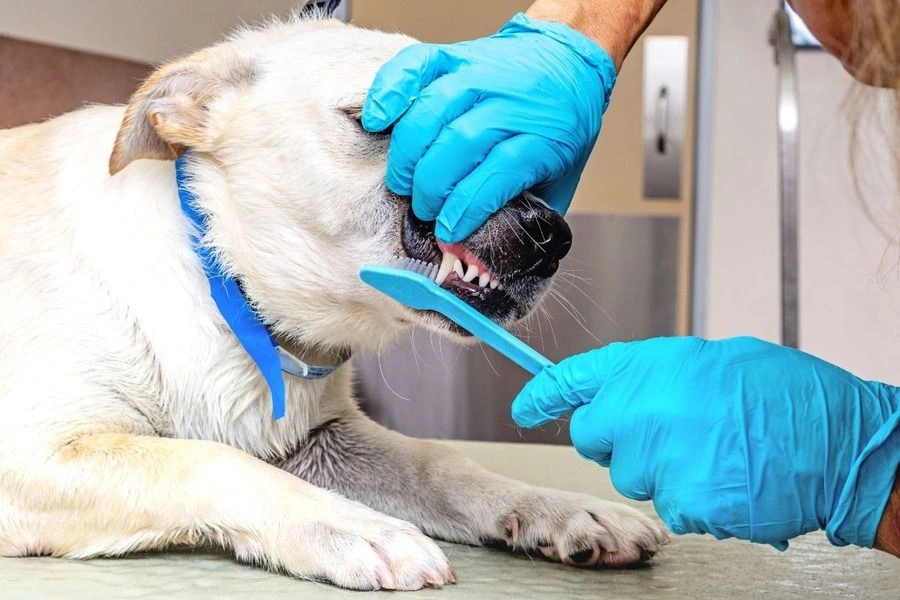
Maintaining your pet’s dental health is essential for their overall well-being and longevity. Poor oral hygiene can lead to infections, heart disease, kidney issues, and a decreased quality of life for dogs and cats. This guide explores the importance of regular pet dental care, common dental problems, and effective strategies for prevention. From at-home brushing tips to professional cleanings, we provide actionable insights to keep your furry companions healthy, happy, and pain-free for years to come.
Understanding Pet Dental Health
Pets rely on healthy teeth and gums not just for eating but for overall health. Pet dental health encompasses more than just avoiding bad breath. When left untreated, dental disease can spread bacteria to major organs, causing heart, liver, and kidney complications.
Common Dental Issues in Pets
- Periodontal Disease: Plaque and tartar buildup leading to gum inflammation and tooth loss.
- Tooth Fractures: Chewing on hard objects can crack teeth, causing pain and infection.
- Gingivitis: Early-stage gum disease that can progress to severe dental issues.
- Oral Tumors: Rare but serious growths that require early detection.
Pets may hide dental discomfort, making regular check-ups at an animal hospital near you critical.
Signs Your Pet May Have Dental Problems
Recognizing early warning signs can prevent serious complications. Look for:
- Persistent bad breath
- Red, swollen, or bleeding gums
- Drooling or difficulty eating
- Loose or missing teeth
- Pawing at the mouth
Cats and dogs often hide discomfort, so subtle changes in behavior, such as decreased appetite or irritability, may indicate dental issues.
Why Regular Pet Dental Care Matters
Preventing Systemic Health Problems
Bacteria from dental disease can enter the bloodstream, affecting the heart (endocarditis), kidneys, and liver. Regular pet dental care reduces this risk, helping pets live longer, healthier lives.
Improved Quality of Life
Pain from dental disease can affect appetite, energy levels, and behavior. Preventing these issues keeps pets more active, comfortable, and happy.
Early Detection of Serious Conditions
Routine dental exams at a pet dentistry allow veterinarians to detect early signs of tumors or other oral diseases, enabling prompt treatment.
At-Home Dental Care Tips
Keeping your pet’s teeth clean at home complements professional care:
- Brushing: Use pet-safe toothpaste and a soft brush; aim for 2–3 times weekly.
- Dental Chews & Toys: Specially designed items help reduce plaque buildup.
- Diet: Dry kibble and dental diets can support oral health.
- Routine Checks: Examine teeth and gums weekly for early warning signs.
Professional Dental Care at an Animal Hospital in Aventura
While home care is important, professional cleanings are essential:
- Dental Exams: Veterinarians assess teeth, gums, and oral structures.
- Scaling and Polishing: Removes plaque and tartar under anesthesia safely.
- X-Rays: Detect hidden dental problems not visible during exams.
- Extractions or Treatments: Address painful or diseased teeth effectively.
A combination of at-home care and professional services ensures optimal pet dental health.
Special Considerations for Senior Pets
Older pets are more prone to dental disease, making senior care vital:
- Increased risk of tooth decay and gum disease
- Regular check-ups every 6–12 months are recommended
- Tailored care plans by veterinarians to manage age-related dental issues
At Amor Animal Hospital, senior pets receive specialized attention to maintain dental and overall health.
Prioritizing pet dental care is more than cosmetic; it’s a crucial factor in your pet’s longevity and quality of life. Regular at-home maintenance combined with professional dental services at a trusted animal hospital can prevent serious health issues, detect problems early, and ensure your pets remain happy and healthy. Contact Amor Animal Hospital today to schedule a dental check-up and safeguard your furry friend’s health for years to come.
Frequently Asked Questions
Q1. How often should I have my pet’s teeth professionally cleaned?
Ans: Most pets benefit from a professional dental cleaning once a year. Older pets or those with dental disease may need more frequent visits to a good pet dentistry.
Q2. Can I brush my cat’s teeth at home?
Ans: Yes! Use pet-specific toothpaste and a soft brush. Start slowly to make the experience positive. Daily brushing is ideal, but even a few times weekly helps prevent plaque buildup.
Q3. What are the early signs of dental disease in dogs?
Ans: Look for bad breath, red or bleeding gums, loose teeth, difficulty chewing, or pawing at the mouth. Early detection allows for easier and less invasive treatment.
Q4. Are dental chews enough to maintain oral health?
Ans: Dental chews and toys can help reduce plaque, but cannot replace brushing or professional dental care. They are a supplement, not a complete solution.
Q5. Does dental disease affect overall health?
Ans: Yes. Bacteria from dental infections can spread to the heart, liver, and kidneys, leading to serious systemic health issues if untreated.
Amor Animal Hospital


Schedule Your Pet’s Visit Today
Your pet’s health and happiness are our top priorities. Schedule an appointment today and experience compassionate, expert care tailored to your furry friend’s needs.