20305 Biscayne Blvd. Aventura, FL 33180

Why Your Pet’s Dental Health Is More Important Than You Think


When you think about your pet’s health, chances are dental care doesn’t top your list. Most pet owners focus on regular vet checkups, vaccinations, grooming, and nutrition. But here’s the catch—dental health is just as vital to your furry friend’s overall well-being. Neglecting it can lead to serious health issues that go beyond bad breath.
In this blog, we’ll explore why dental care deserves your full attention, what signs to watch for, and how to protect your pet’s precious pearly whites.
1. Dental Disease Is More Common Than You Think
Did you know that over 80% of dogs and 70% of cats develop dental disease by the age of three? This silent epidemic often starts with simple plaque buildup but can escalate to painful infections, gum disease, and tooth loss.
What’s worse—if left untreated, bacteria from your pet’s mouth can enter the bloodstream and damage vital organs like the heart, liver, and kidneys. This isn’t just about dental hygiene—it’s about your pet’s life.
2. Warning Signs You Shouldn’t Ignore
Pets are masters at hiding pain, especially when it comes to their mouths. But with a little observation, you can spot red flags such as:
- Bad breath (not just “dog breath”)
- Drooling or difficulty eating
- Bleeding gums
- Loose or missing teeth
- Pawing at the mouth
- Yellow or brown buildup on teeth
If you notice any of these symptoms, it’s time to schedule a dental checkup immediately.
3. The Ripple Effect of Poor Dental Health
It may start in the mouth, but it doesn’t stay there. Bacteria from infected gums can enter your pet’s bloodstream and cause:
- Heart Disease (endocarditis)
- Liver and Kidney Infections
- Chronic Pain
- Weight Loss and Nutritional Deficiencies
Healthy teeth contribute to a longer, happier life for your pet—one where they can play, eat, and live pain-free.
4. What Proper Pet Dental Care Looks Like
Good dental hygiene isn’t a once-a-year kind of deal—it’s an ongoing commitment. A solid pet dental routine includes:
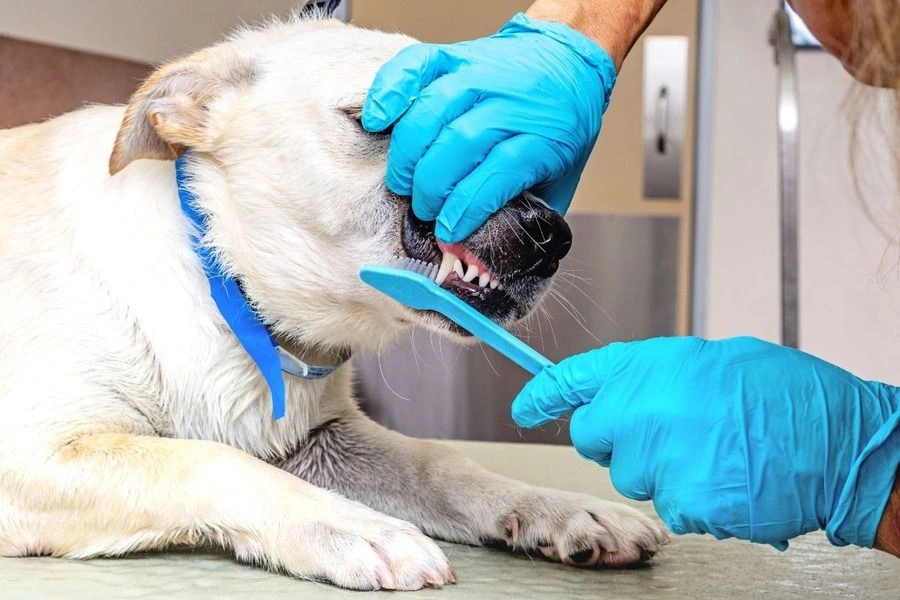
- Daily brushing with pet-safe toothpaste
- Dental chews and toys that help reduce plaque
- Annual dental cleanings by your veterinarian
- Routine checkups to monitor oral health
These practices can prevent most dental diseases and ensure your pet stays happy and healthy from head to tail.
5. Why Professional Dental Services Matter
Even with the best home care, some things need a professional’s touch. Veterinarians use advanced tools and techniques to clean below the gum line, where most damage occurs.
If you’re looking for expert care, Pet Dental Services in Aventura, FL, provides comprehensive cleanings, x-rays, and surgical treatments tailored to your pet’s needs. One professional cleaning a year can make a world of difference.
6. Start Early, Save Later
Prevention is always better—and cheaper—than a cure. Starting dental care early helps your pet become comfortable with brushing and reduces the chances of needing expensive treatments later.
Puppies and kittens are easier to train into routines, but it’s never too late to begin. A few minutes a day can lead to years of better health.
Your pet gives you unconditional love, and a bright, healthy smile should be part of the gift you give in return. By staying proactive and informed, you can prevent disease, avoid expensive treatments, and ensure your pet enjoys a life free from dental pain.
Remember, caring for your pet’s mouth is caring for their heart, health, and happiness.
Frequently Asked Questions (FAQs)
Q1: How often should I brush my pet’s teeth?
A: Ideally, daily brushing is best. If not possible, aim for at least 3–4 times a week.
Q2: Can I use human toothpaste on my pet?
A: No. Human toothpaste contains ingredients like xylitol, which are toxic to pets. Always use a pet-specific product.
Q3: What are the best dental treats or toys for pets?
A: Look for products approved by the Veterinary Oral Health Council (VOHC). They are tested for safety and effectiveness.
Q4: How often should my pet get professional dental cleanings?
A: Most pets benefit from annual cleanings, though frequency may vary based on breed and dental condition.
Q5: My pet eats normally—do they still need dental care?
A: Yes. Pets can eat despite significant dental pain. Regular checks help detect hidden issues early.
Q6: Are certain breeds more prone to dental issues?
A: Yes. Small breeds, flat-faced dogs (like Pugs or Bulldogs), and cats with dental resorption are at higher risk.
Amor Animal Hospital


Schedule Your Pet’s Visit Today
Your pet’s health and happiness are our top priorities. Schedule an appointment today and experience compassionate, expert care tailored to your furry friend’s needs.